Tác giả: admincp

  • The most beautiful tourist destinations in Hoi An

    The most beautiful tourist destinations in Hoi An

    Top 25 Best Places to Visit in Hoi An, Vietnam

    What are the most beautiful places to visit in Hoi An? This is a common question among travelers planning to explore this enchanting heritage destination. Hoi An brings together beautifully preserved historic sites, breathtaking scenery, a rich culinary scene, and fascinating traditional festivals, making it one of the most captivating destinations in central Vietnam.

    If Hoi An is on your travel list, this guide will help you discover some of the best places to visit and experiences to enjoy. From centuries-old houses and Chinese assembly halls to colorful markets and iconic landmarks, Hoi An offers countless opportunities to explore, take stunning photographs, and immerse yourself in the atmosphere of Vietnam’s historic trading port.

    So, get your favorite outfits ready, bring your camera, and prepare to strike some unforgettable poses as you wander through the charming streets of Hoi An!

    Administrative note: Following the recent administrative merger of Quang Nam Province and Da Nang City, Hoi An is now part of the newly expanded Da Nang City. The destinations below are located in what was formerly Hoi An City and Quang Nam Province.

    1. Top 25 Best Places to Visit in Hoi An

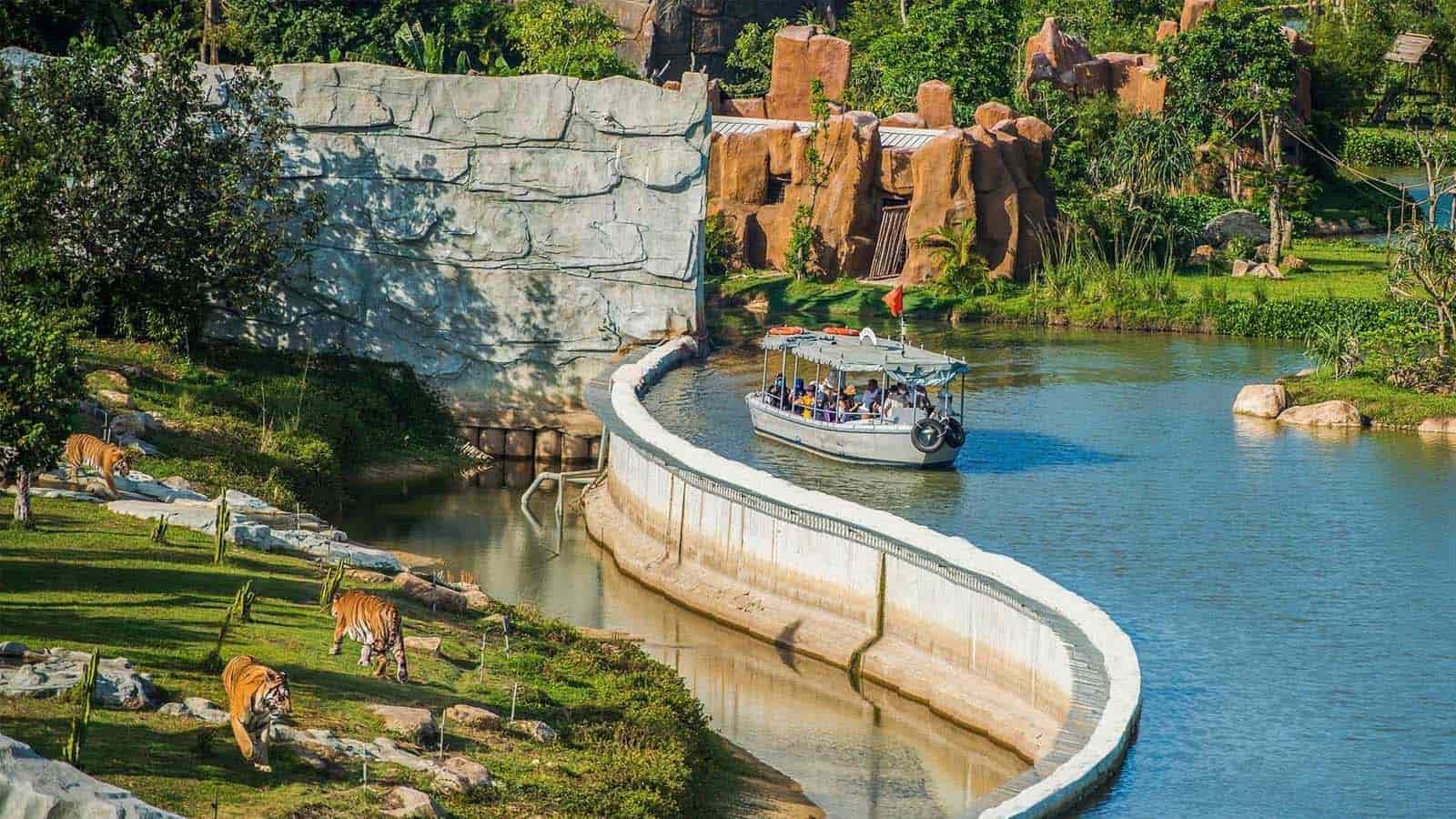
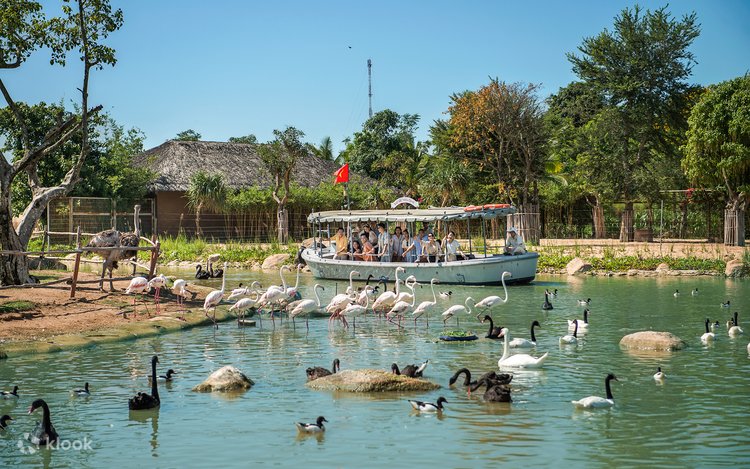
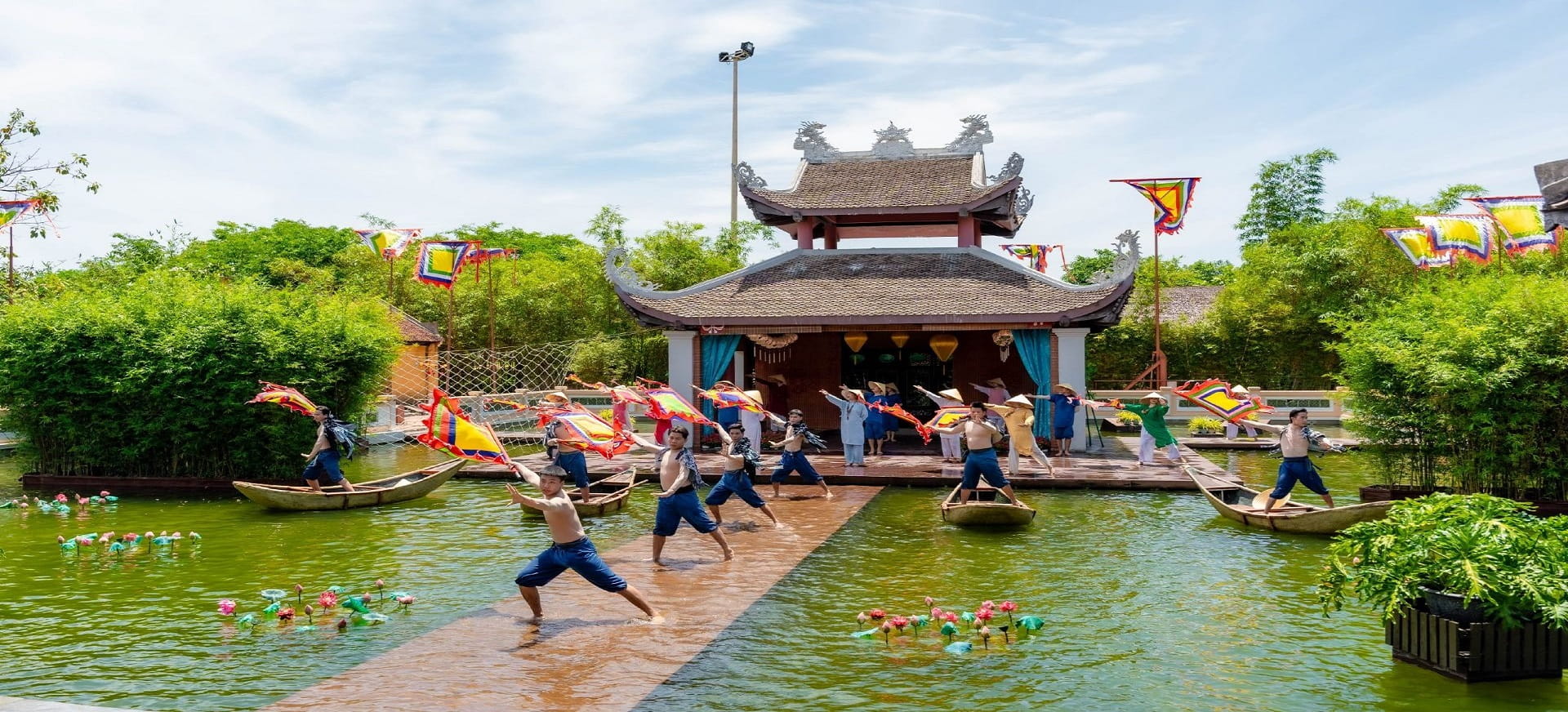
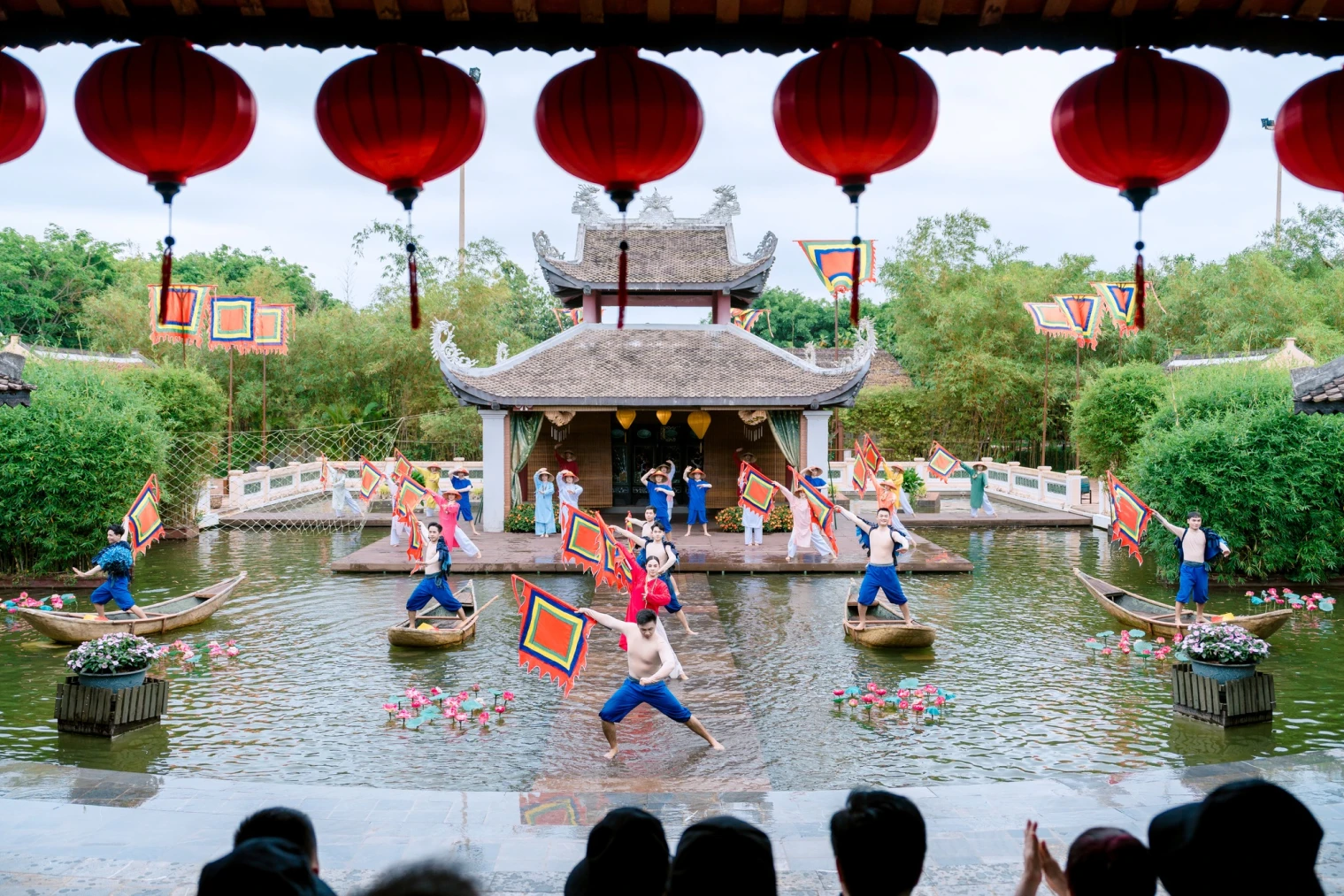
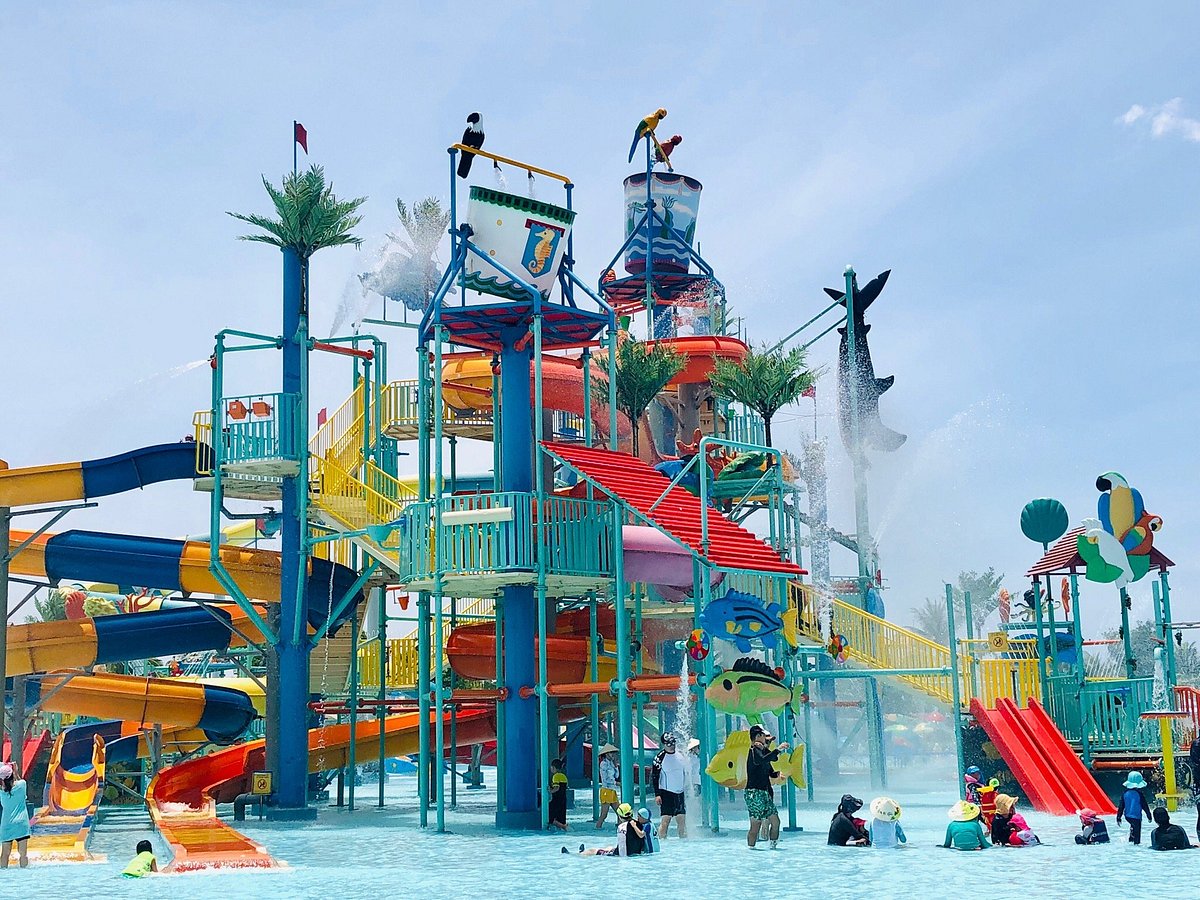
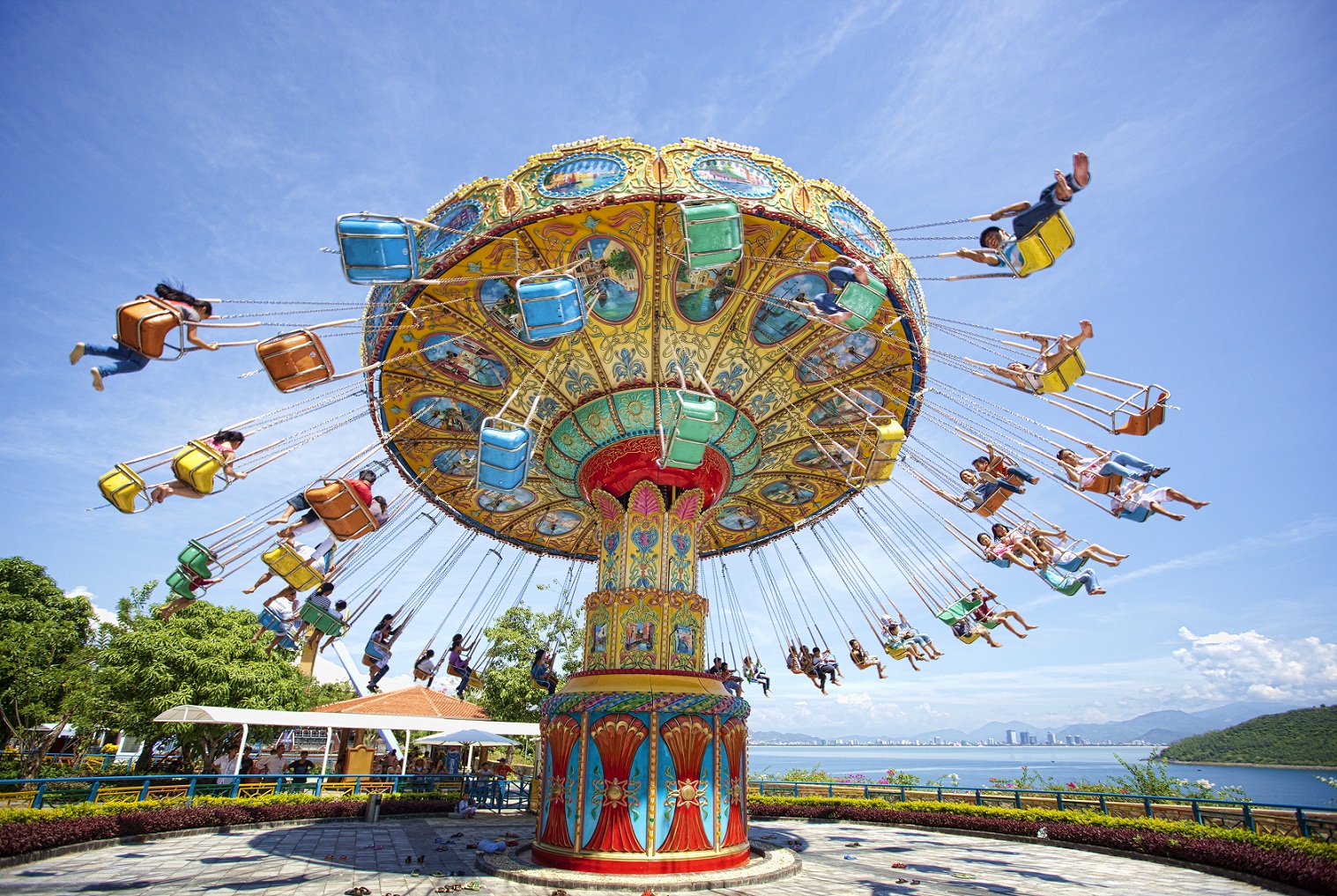
    1.1. VinWonders Nam Hoi An

    📍Address: Thang An Commune, Da Nang City

    Hoi An is not only about charming ancient streets and picture-perfect historic buildings. For travelers looking for excitement and modern entertainment, VinWonders Nam Hoi An offers a completely different experience.
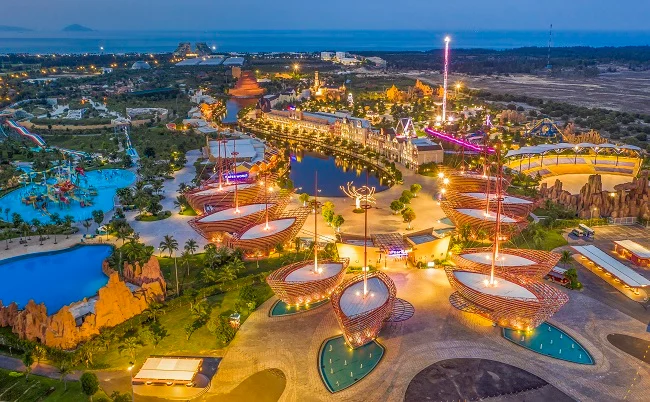
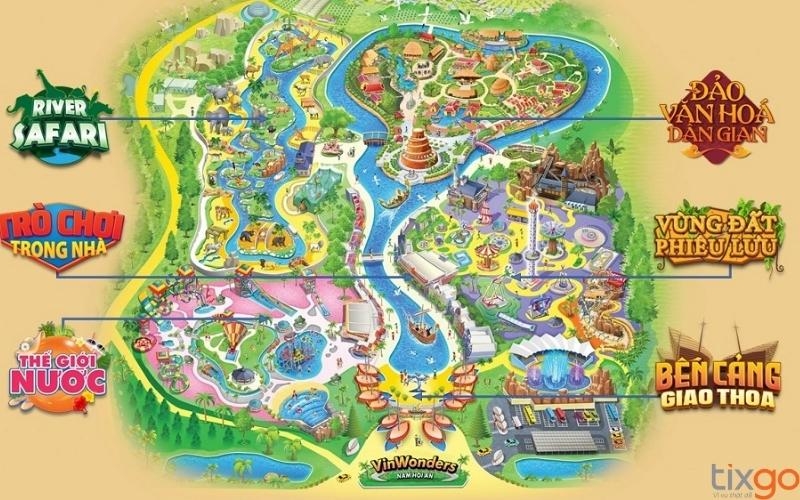
    Located approximately 17 km from Hoi An Ancient Town, this expansive entertainment complex is divided into five distinct areas, combining thrilling attractions with cultural experiences.

    Visitors can enjoy exciting rides and activities while also discovering Vietnamese and international culture, traditional architecture, folk art, and heritage. It is an excellent option for families and travelers who want to combine relaxation, entertainment, and cultural exploration in one day.

    Some actual photos from VinWonders Hoi An, Vietnam:
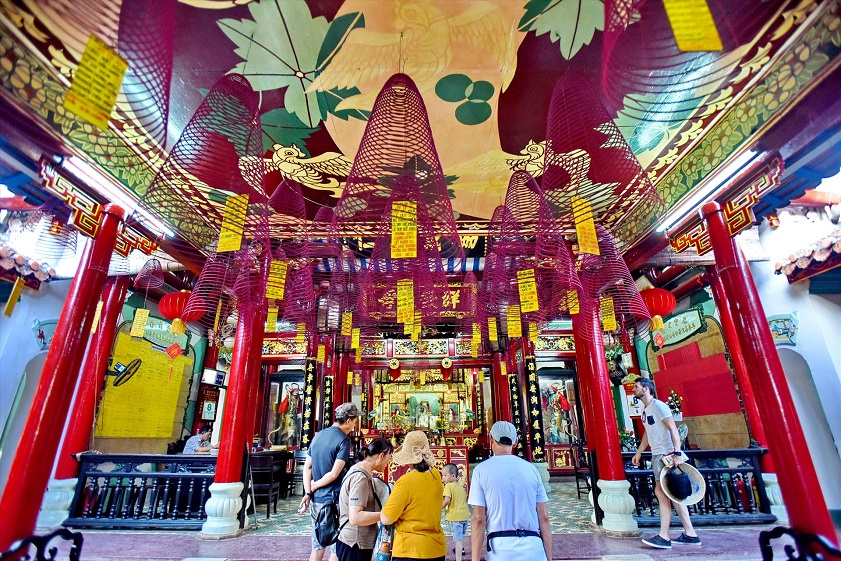
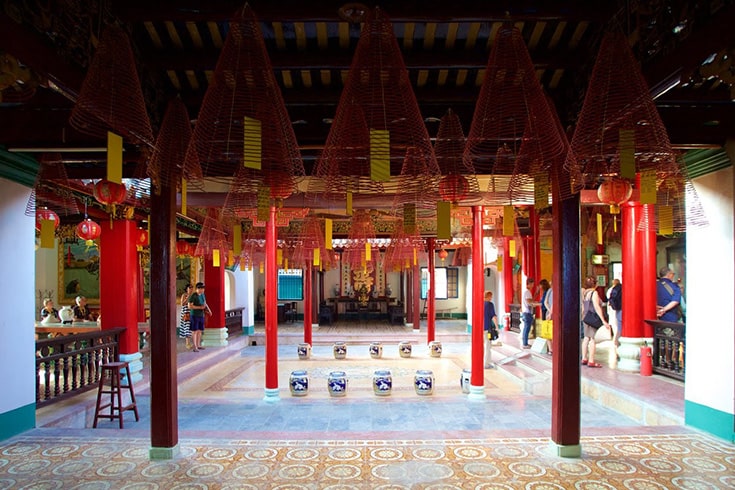
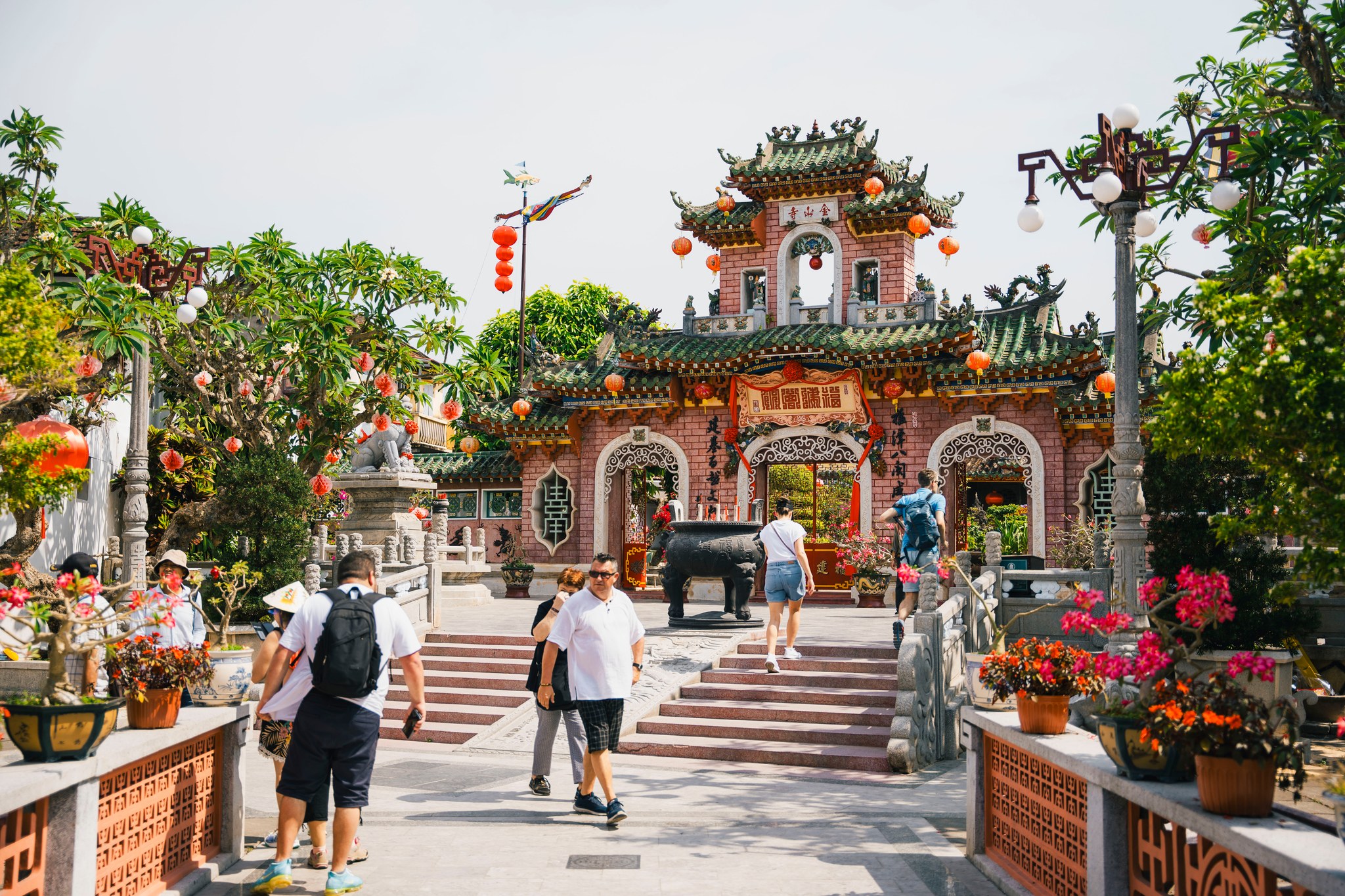
    1.2. Fujian Assembly Hall

    📍Address: 46 Tran Phu Street, Hoi An

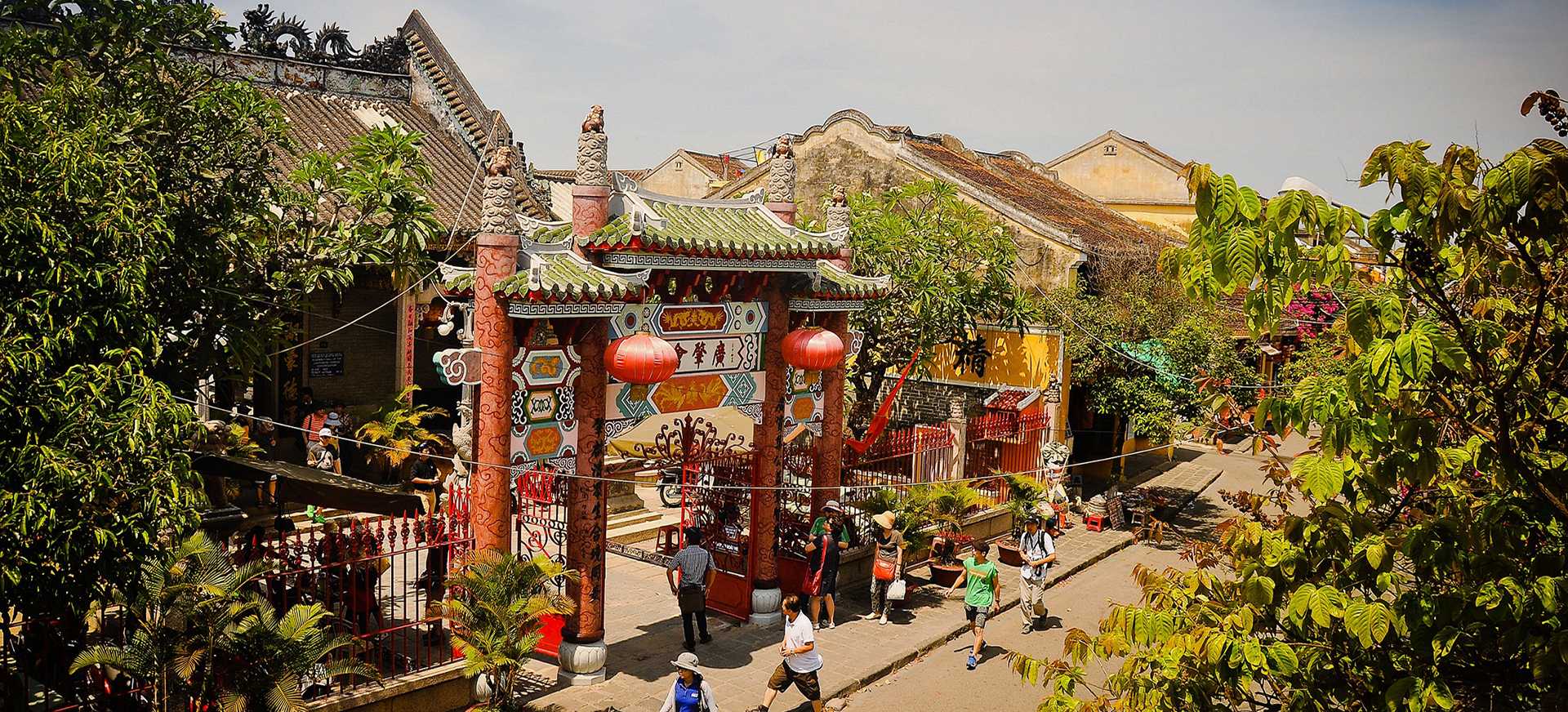
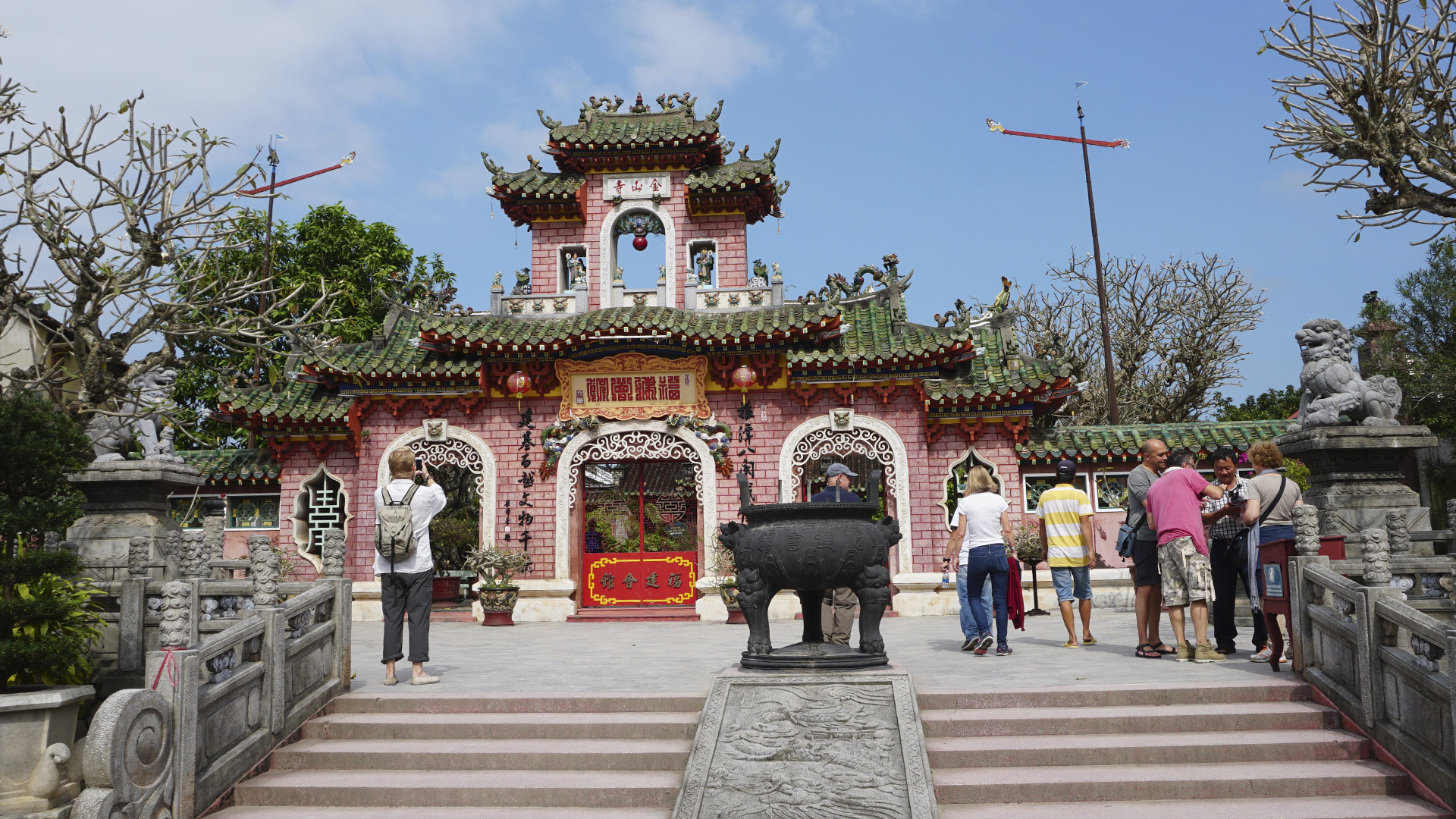
    With its grand architecture, spacious grounds, ornate decorations, and distinctive Chinese design, the Fujian Assembly Hall is one of Hoi An’s most famous historical landmarks.
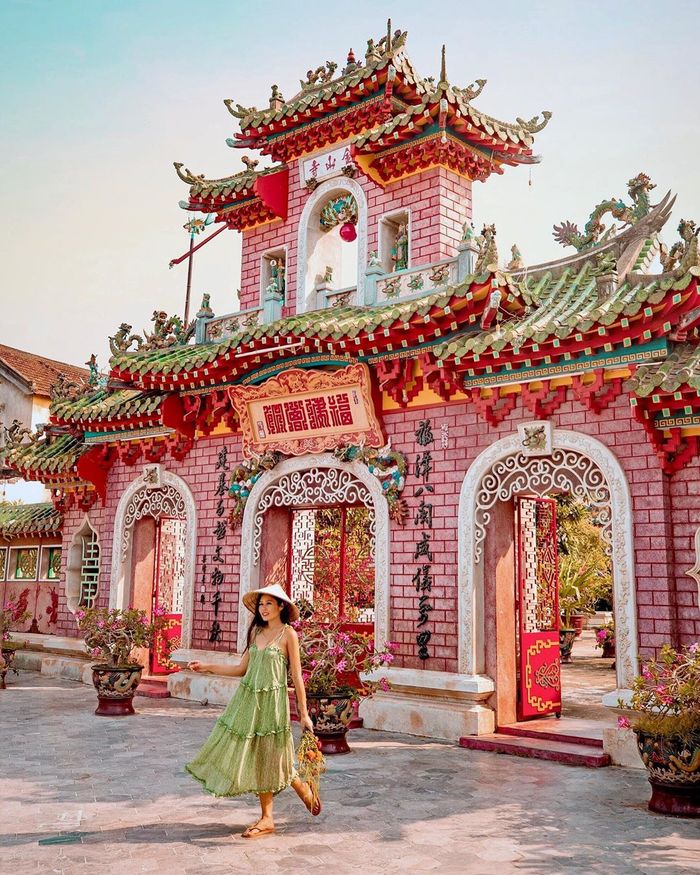
    The complex features elaborate gates, colorful carvings, intricate roof decorations, and a peaceful courtyard that offers a glimpse into the cultural heritage of the Chinese community that once lived and traded in Hoi An.

    For visitors exploring the Ancient Town, this impressive assembly hall is a fascinating stop for both photography and cultural discovery.

    Some actual photos from Fujian Assembly Hall Hoi An, Vietnam:
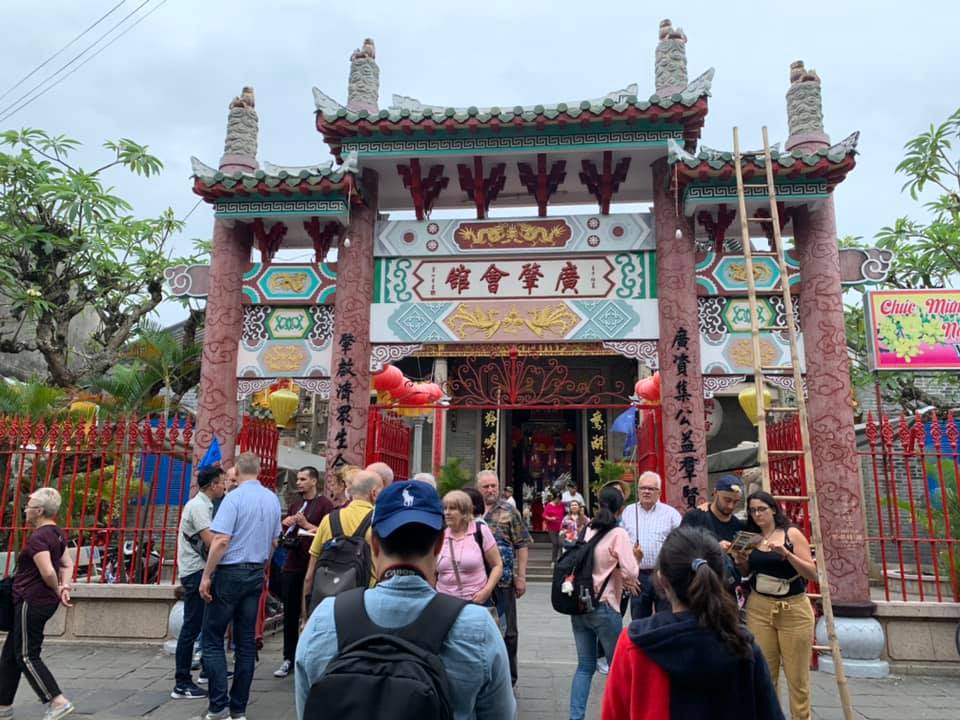
    1.3. Chaozhou Assembly Hall

    📍Address: 157 Nguyen Duy Hieu Street, Hoi An

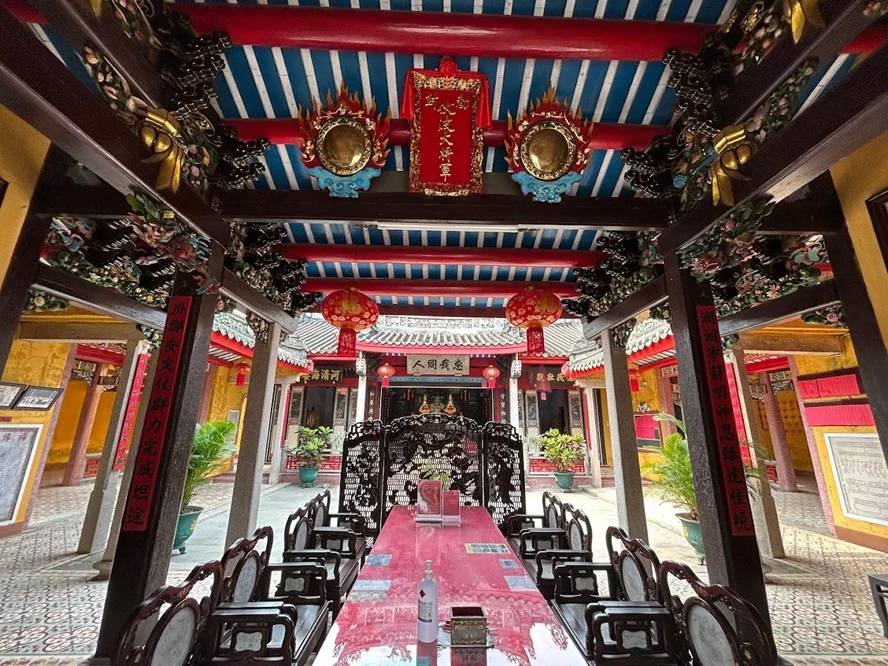
    The Chaozhou Assembly Hall is another architectural gem worth visiting in Hoi An.

    Step inside and you will find beautifully carved wooden details, intricate decorative patterns, and an elegant traditional design that reflects the heritage of the Chaozhou Chinese community.
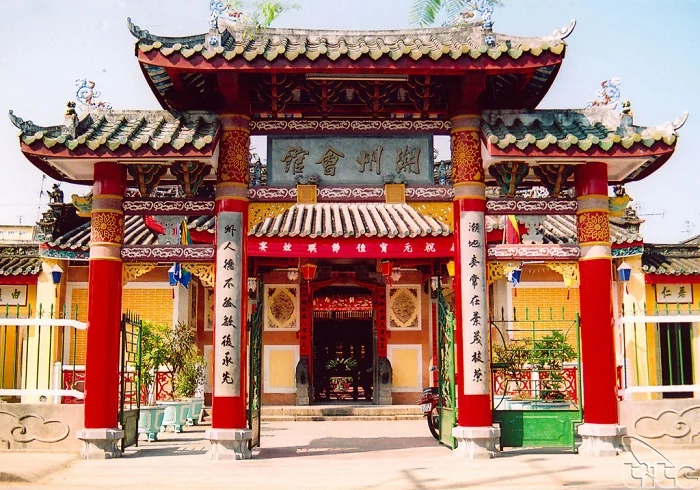
    The assembly hall is dedicated to deities believed to control the winds and waves. Historically, local residents came here to pray for calm seas and safe journeys, particularly when traveling or trading by sea.

    Today, it offers visitors a fascinating glimpse into the spiritual traditions and cultural history of Hoi An’s former merchant community.

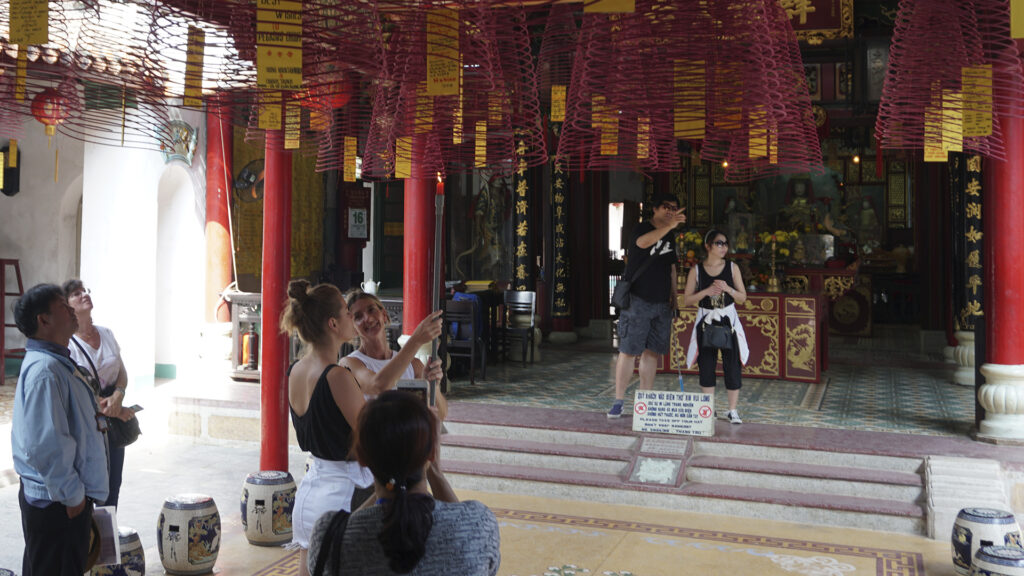
    Some actual photos from Chaozhou Assembly Hall Hoi An, Vietnam:
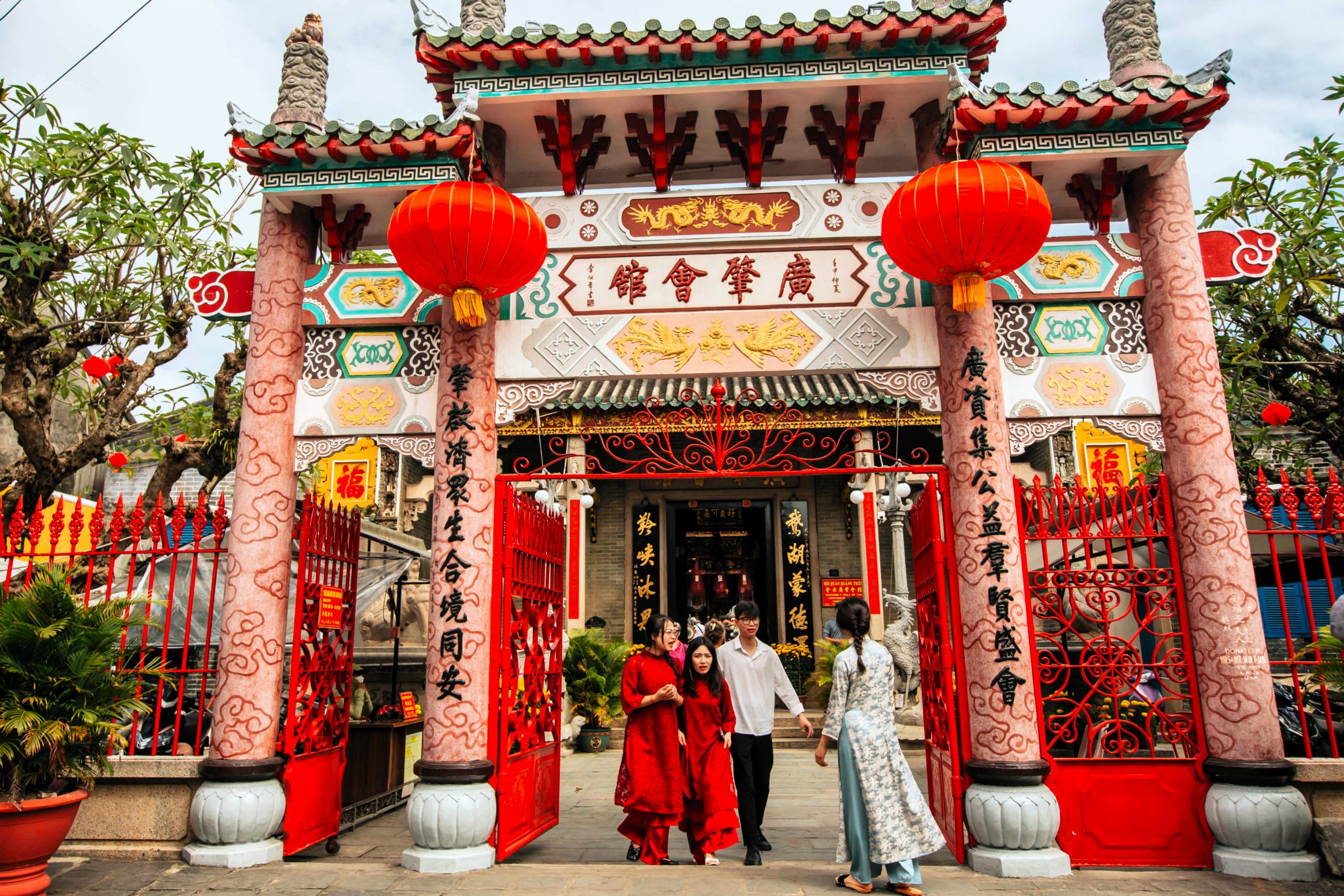
    1.4. Cantonese Assembly Hall

    📍Address: 176 Tran Phu Street, Hoi An

    Built in 1885, the Cantonese Assembly Hall is distinguished by its imposing architecture and richly decorated interiors.
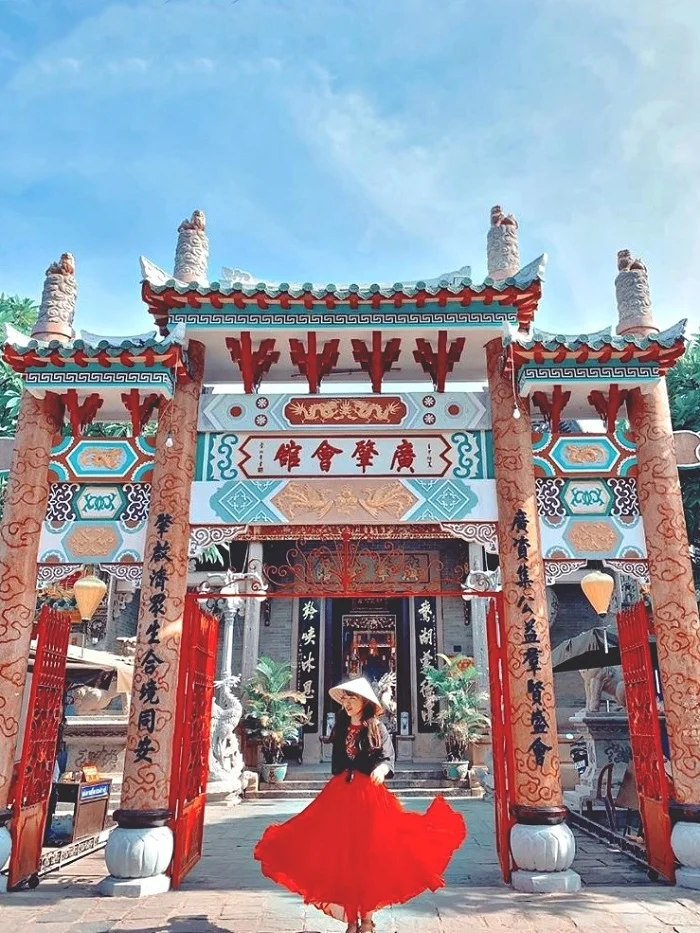
    The complex preserves a collection of historic objects and architectural details that reflect the cultural influence of the Cantonese community in Hoi An.

    The assembly hall also comes alive during important traditional celebrations, particularly the Lantern Festival on the 15th day of the first lunar month and the annual celebration honoring Guan Yu on the 24th day of the sixth lunar month.

    If you are interested in Hoi An’s multicultural history, this is a fascinating place to explore.

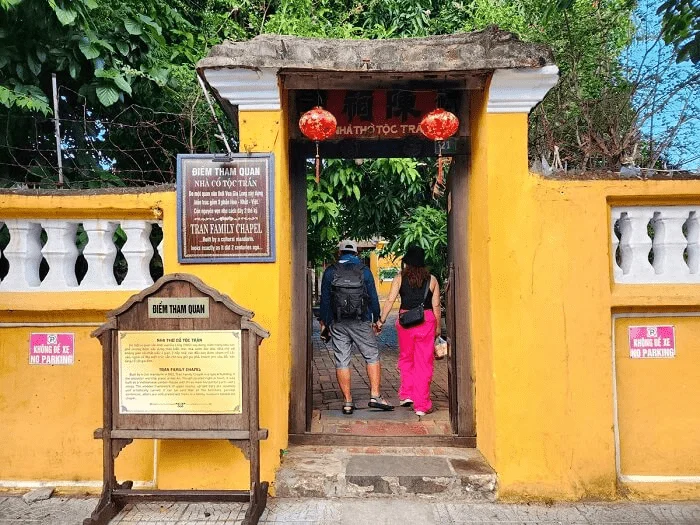
    1.5. Tran Family Chapel

    📍Address: 21 Le Loi Street, Hoi An

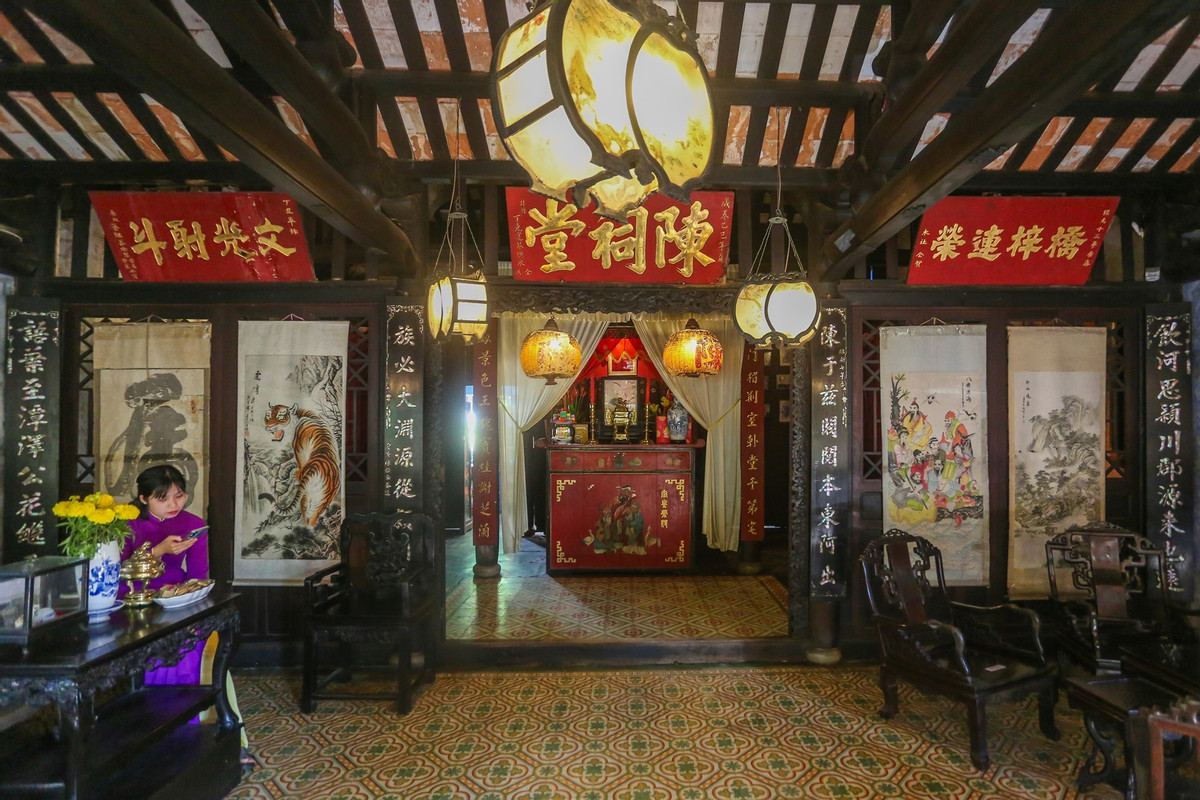
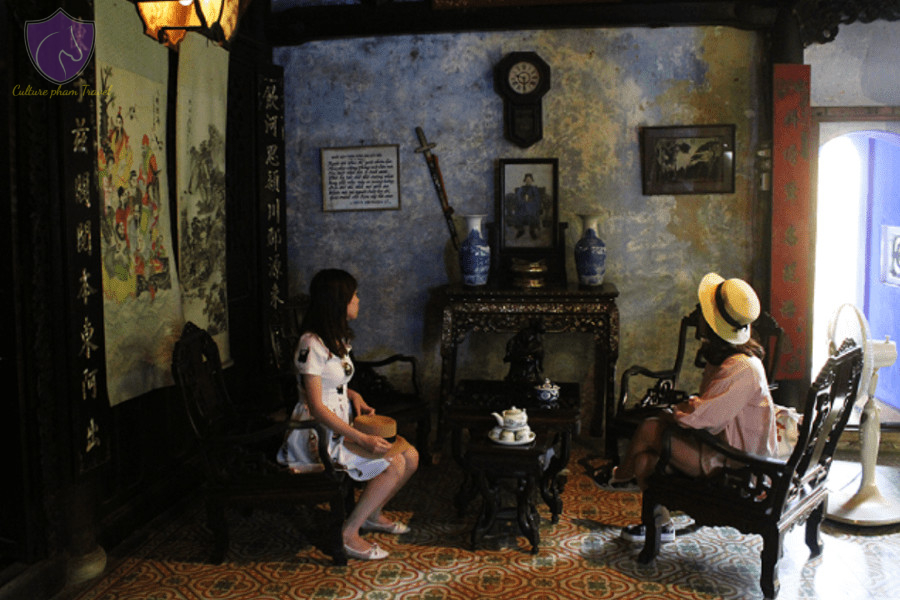
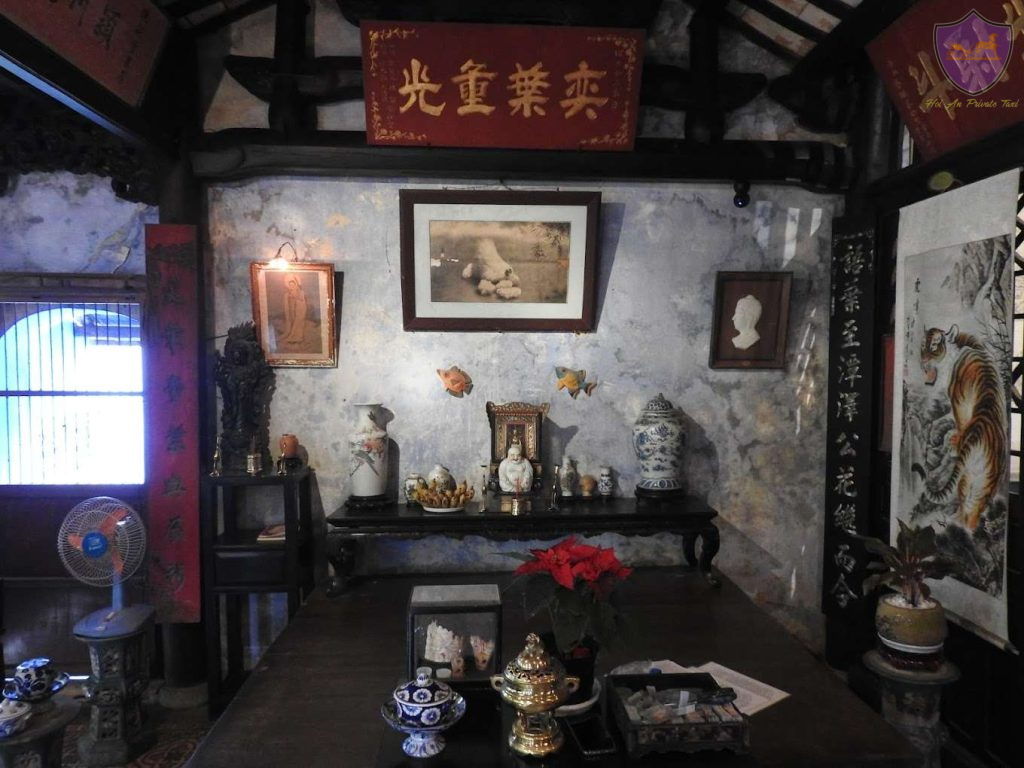
    Set within a spacious 1,500-square-meter garden, the Tran Family Chapel is a remarkable example of architectural influences blending Vietnamese, Japanese, and Chinese traditions.
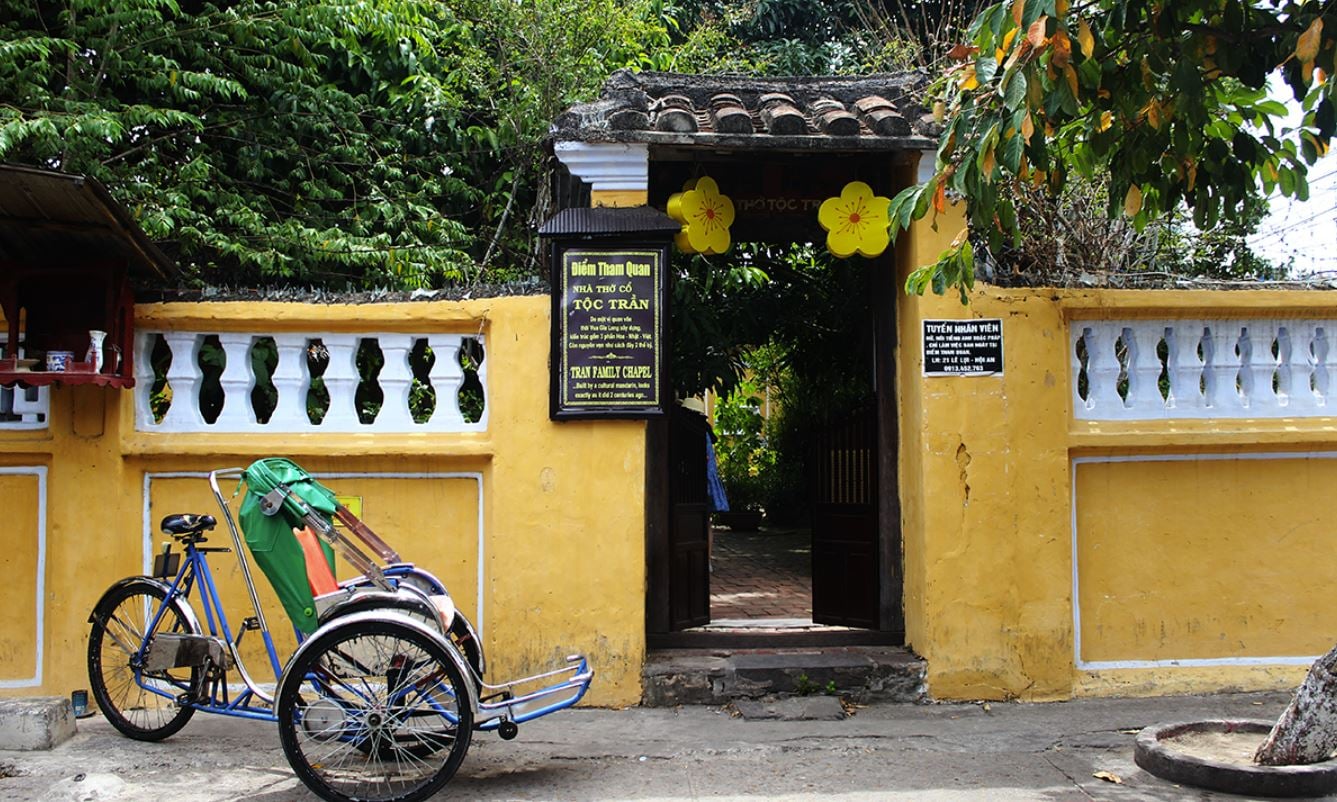
    Built as a place for the Tran family to honor their ancestors, the chapel remains an important part of the family’s heritage. Relatives traditionally gather here each year to burn incense and pay their respects to previous generations.

    Beyond its architectural value, the site offers visitors a quieter and more intimate look at the importance of family traditions and ancestor worship in Vietnamese culture.

    Some actual photos from Tran Family Chapel Hoi An, Vietnam:
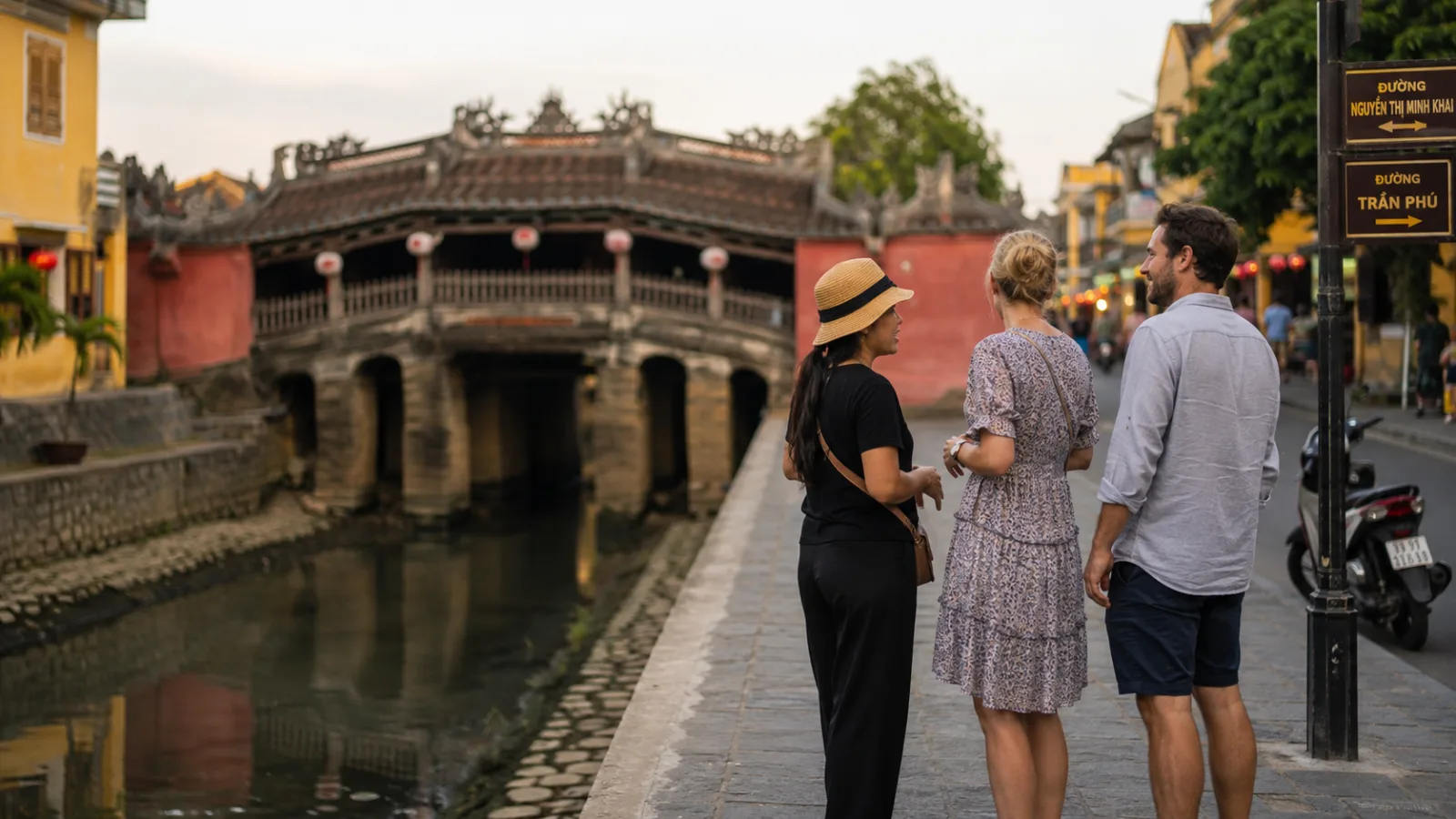
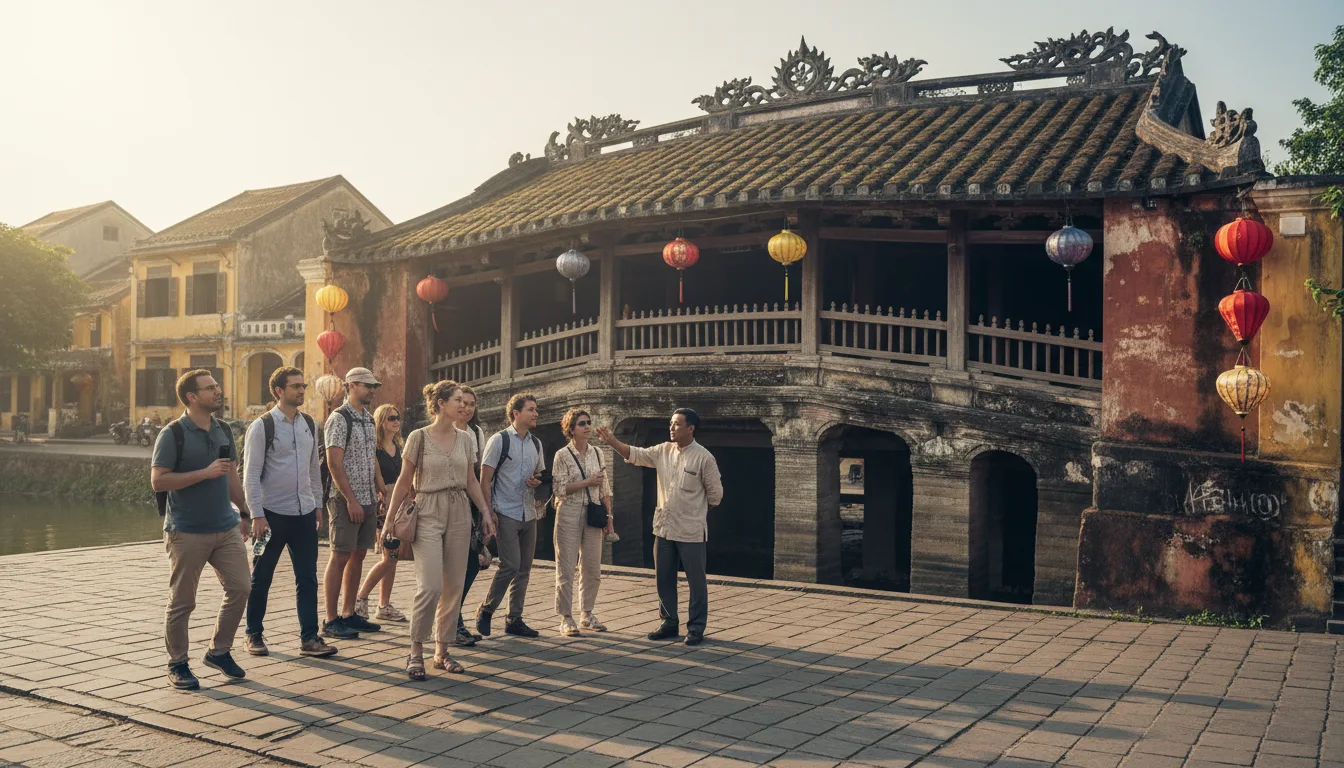
    1.6. Japanese Covered Bridge – Hoi An’s Iconic Landmark

    📍Address: At the beginning of Nguyen Thi Minh Khai Street, Hoi An

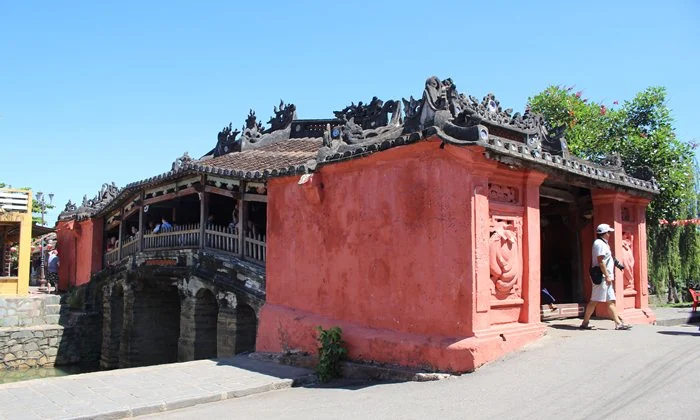
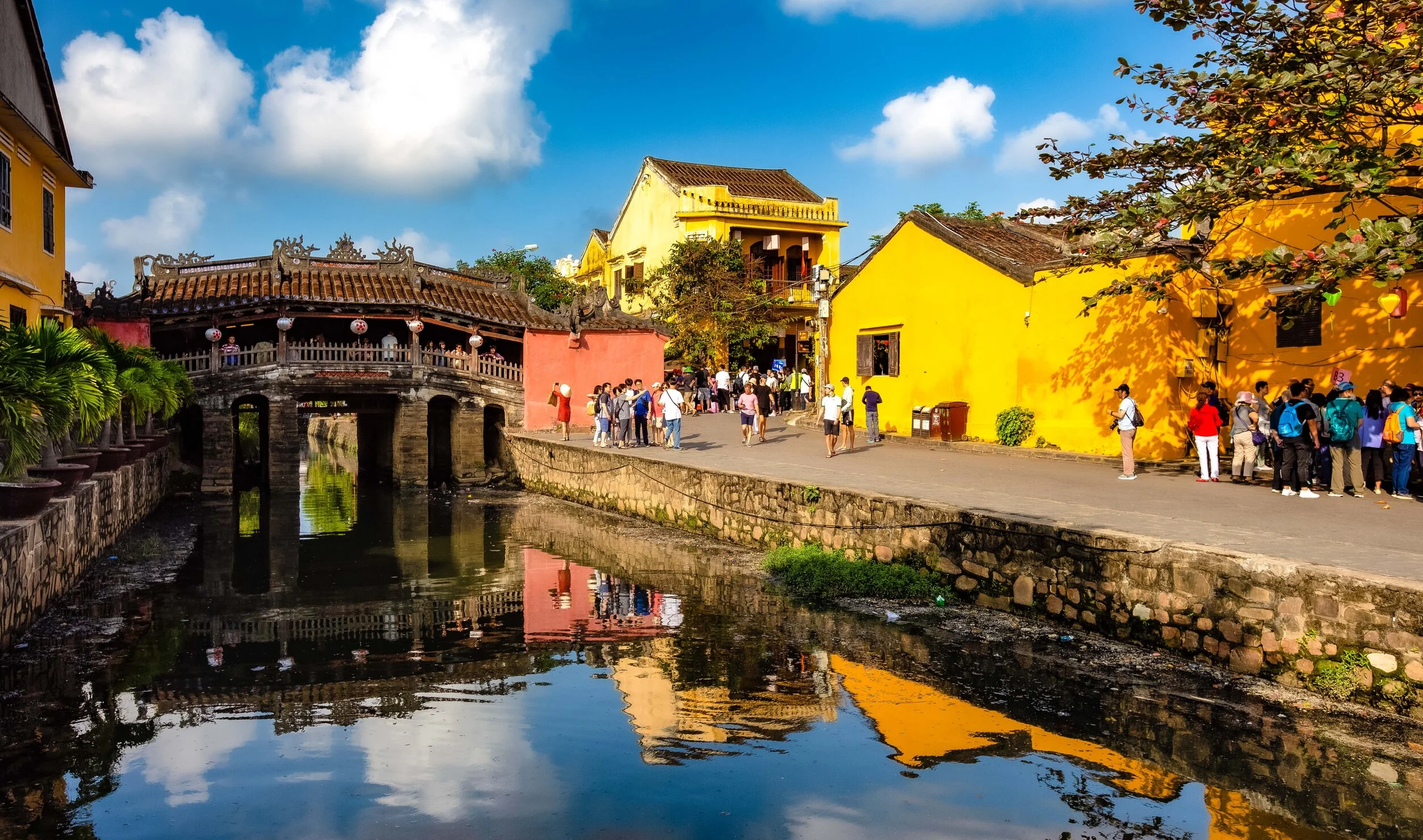
    The Japanese Covered Bridge is widely regarded as the soul and one of the enduring symbols of Hoi An.
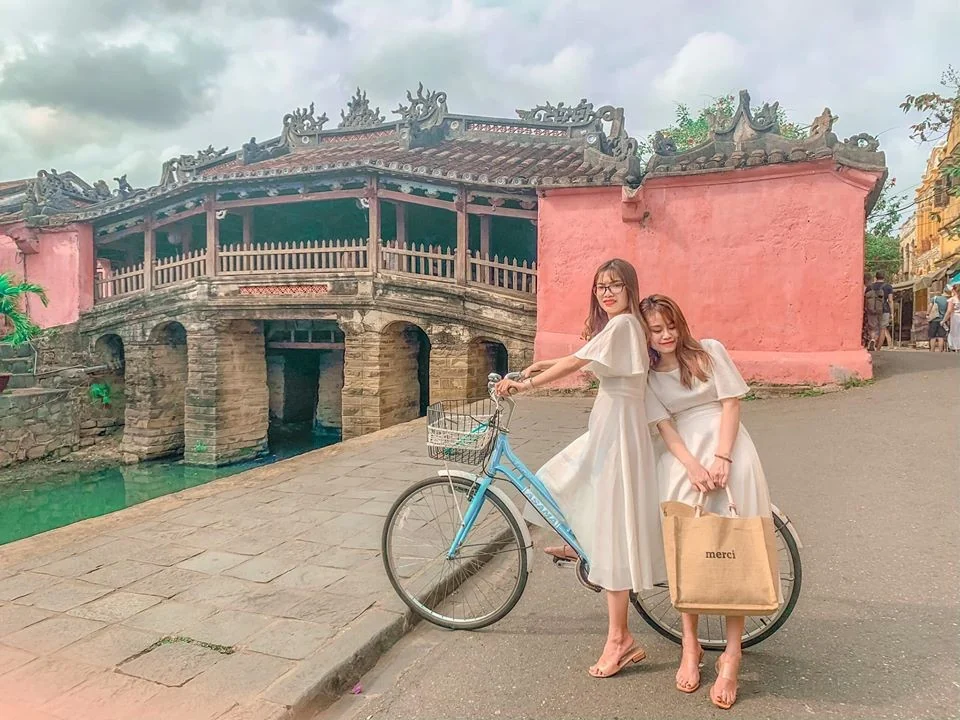
    Spanning a small section of the romantic Hoai River, the bridge is famous for its distinctive architecture and unique cultural character. Built centuries ago, it represents the historical connections between the Japanese, Chinese, and Vietnamese communities that shaped Hoi An as an international trading port.

    Its charming appearance has made it one of the most photographed landmarks in the Ancient Town and an essential stop for anyone visiting Hoi An for the first time.

    Some actual photos from Japanese Covered Bridge Hoi An, Vietnam:
    1.7. Phung Hung Ancient House

    📍Address: 4 Nguyen Thi Minh Khai Street, Hoi An

    With a history of more than 240 years, Phung Hung Ancient House is considered one of the finest examples of traditional architecture in Hoi An.
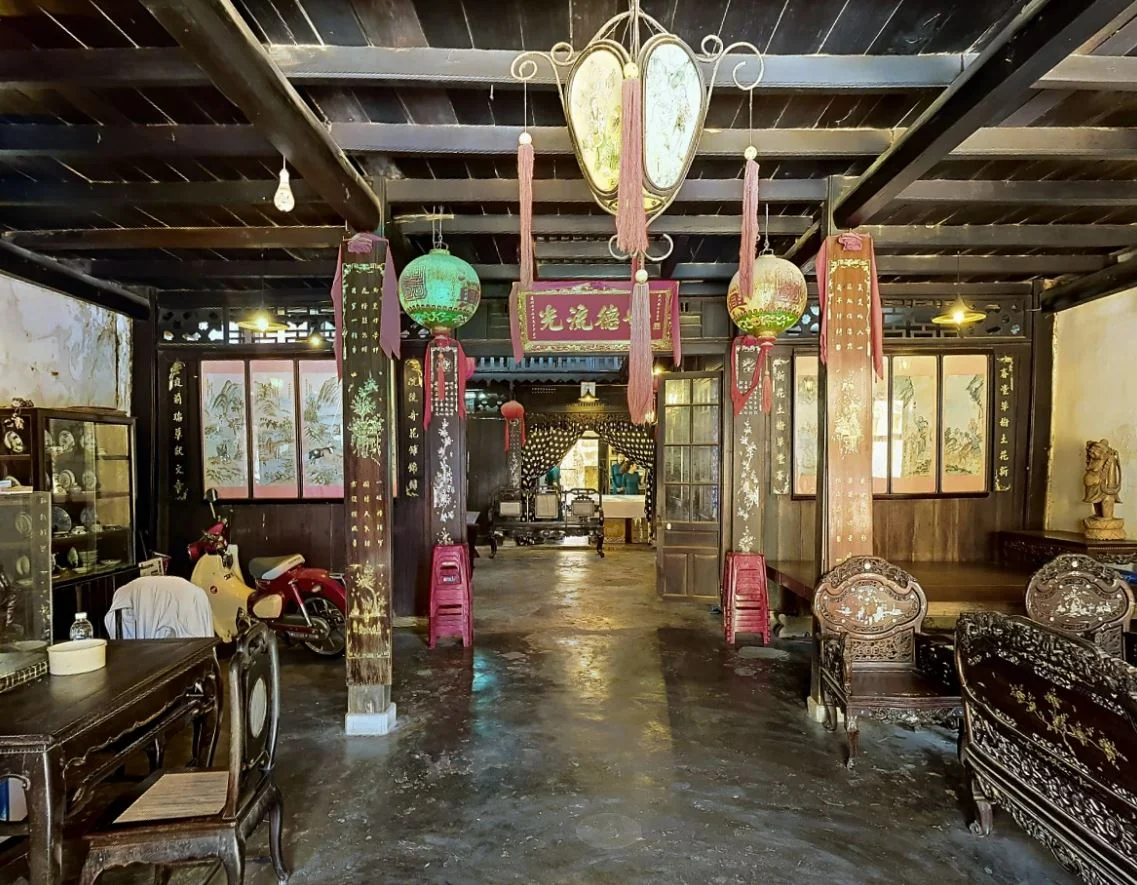
    The wooden house showcases a fascinating blend of Vietnamese, Japanese, and Chinese architectural influences, reflecting the multicultural character of Hoi An during its period as a prosperous trading port.

    Walking through the house, visitors can admire its wooden framework, traditional layout, and carefully preserved architectural details while gaining a better understanding of how merchant families once lived in Hoi An.

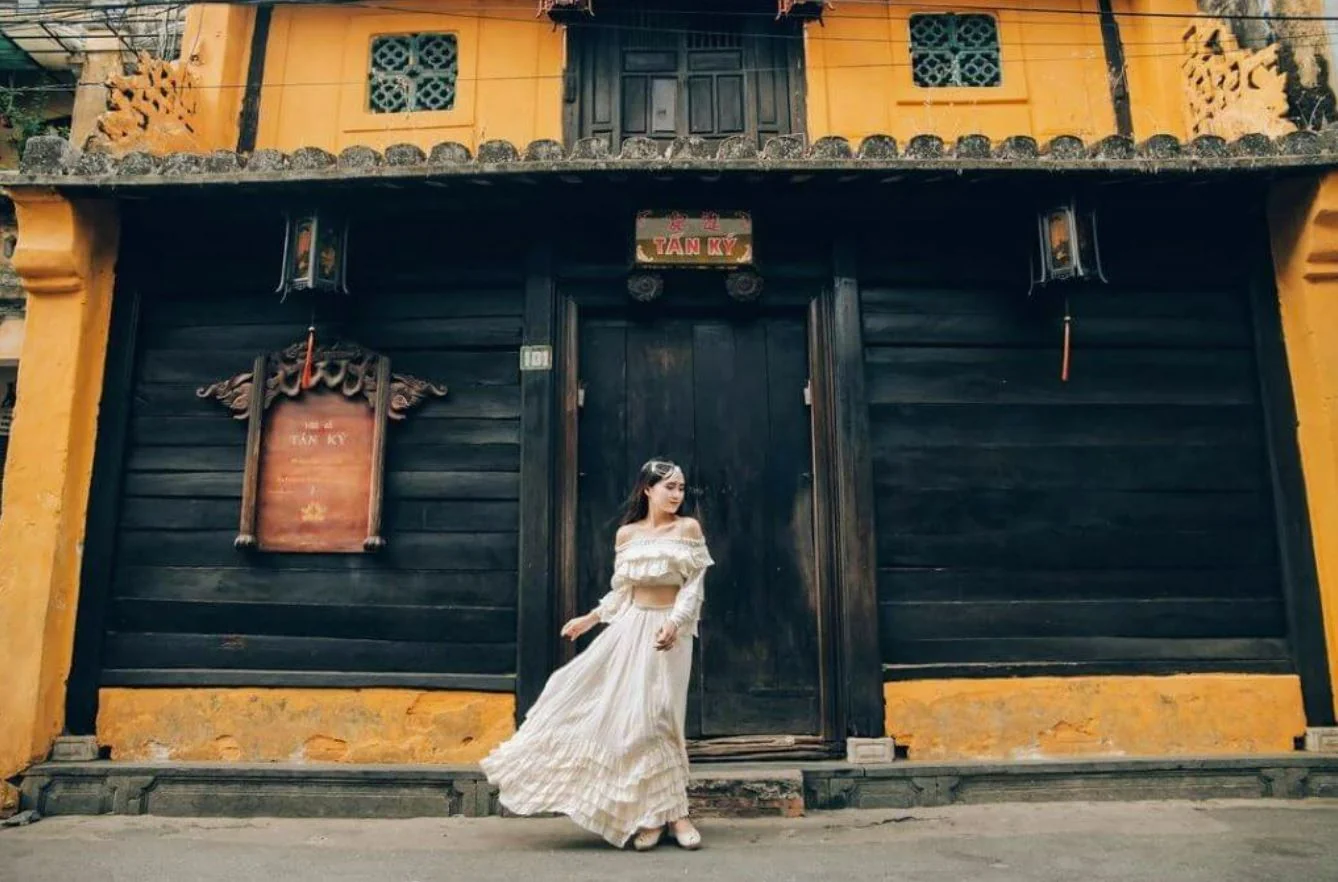
    1.8. Tan Ky Ancient House

    📍Address: 101 Nguyen Thai Hoc Street, Hoi An

    Tan Ky Ancient House is one of the most famous historic homes in Hoi An Ancient Town. Built with a series of interconnected spaces, the house features numerous decorative details and symbolic carvings.
    As you move from the entrance toward the interior, you can spot fascinating architectural elements, including the distinctive yin-yang-shaped leaf motifs around the doorway, rounded stone bases beneath the wooden columns brought from Thanh Hoa Province, and traditional timber structures resembling the five fingers of a hand.

    Every detail has a story to tell, making Tan Ky Ancient House much more than a beautiful photo spot. It is a window into the architectural traditions and daily life of Hoi An’s prosperous merchant families.

    1.9. Quan Thang Ancient House

    📍Address: 77 Tran Phu Street, Hoi An

    No visit to Hoi An would be complete without stepping inside one of its beautifully preserved ancient merchant houses, and Quan Thang Ancient House is an excellent example.
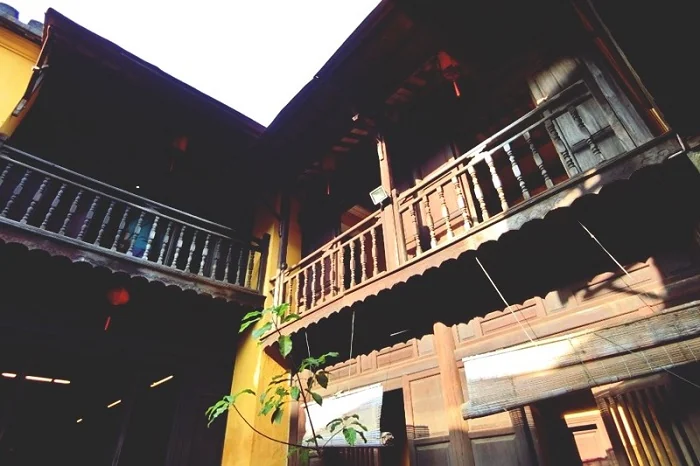
    More than 150 years old, the house showcases architectural influences from southern China and retains many of the distinctive characteristics of historic Hoi An’s trading-port architecture.

    Despite the passage of time, its original structure and traditional design have been remarkably well preserved, giving visitors a sense of what life was like in Hoi An centuries ago.

    1.10. Duc An Ancient House

    📍Address: 129 Tran Phu Street, Hoi An

    Built more than 180 years ago, Duc An Ancient House is another fascinating historical landmark in Hoi An.
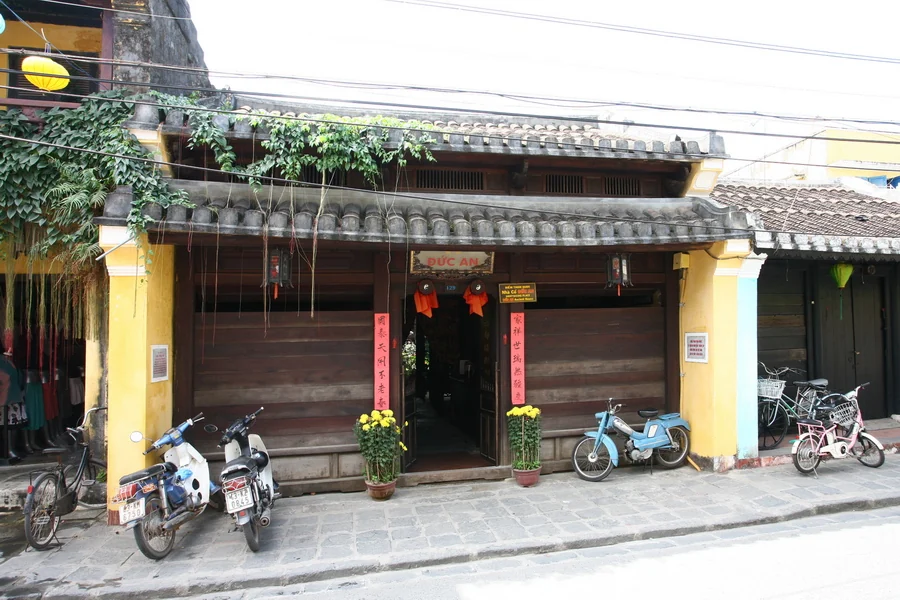
    Unlike some of the city’s ancient houses that are primarily known for their architecture, Duc An also has an interesting intellectual and cultural history. The house was once associated with the circulation and preservation of important works related to democratic and progressive ideas from around the world.

    Walking through its modest rooms and looking at the simple household objects preserved inside, visitors can experience a rare sense of how time seems to slow down in Hoi An.

    It is a quiet and atmospheric place where history feels surprisingly close and personal.

    1.11. Hoi An Market

    📍Address: 19 Tran Phu Street, Hoi An East Ward

    Whether you are visiting Hoi An or exploring another destination in Vietnam, a local market is often one of the best places to understand everyday life, culture, and food.
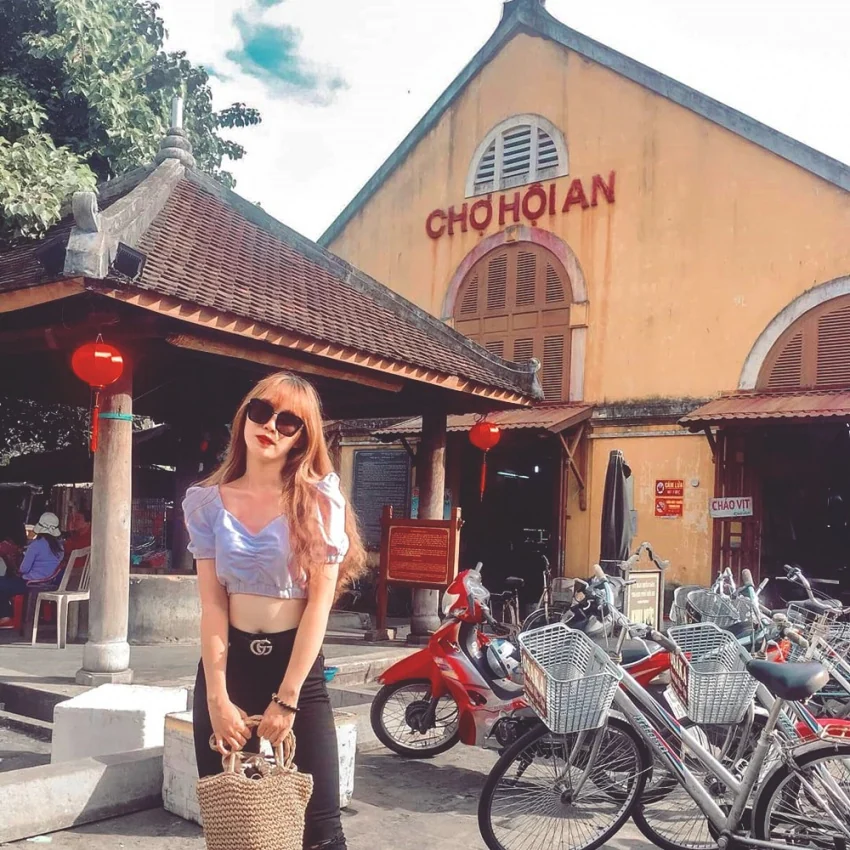
    Hoi An Market is no exception. Beyond the fresh produce stalls, souvenir shops, and seafood vendors, make sure to explore the lively street-food area.

    The aromas of freshly prepared dishes, colorful ingredients, lively conversations, and the unmistakable sound of local Quang-style accents create an atmosphere that feels authentically Hoi An.

    For food lovers, the market is an especially rewarding place to sample local specialties and experience the city through its flavors. Don’t be surprised if you arrive just planning to take a quick look and end up staying for a full meal!

    1.12. Hoi An Museum of History and Culture

    📍Address: 10B Tran Hung Dao Street

    If you want to understand how Hoi An evolved from an ancient settlement into one of Vietnam’s most important trading ports, the Hoi An Museum of History and Culture is a fascinating place to visit.
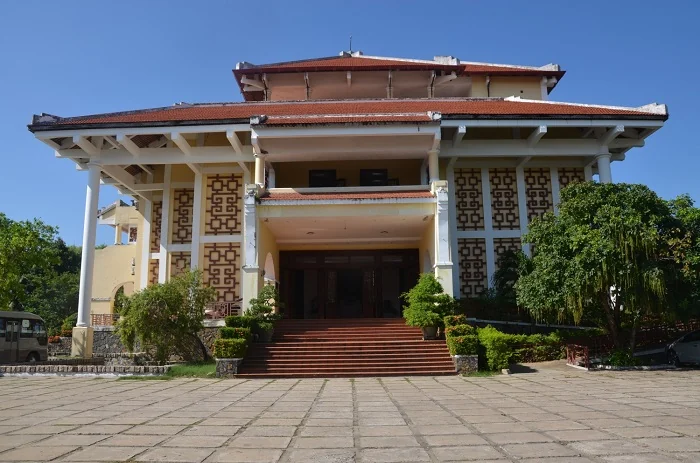
    The museum houses more than 200 artifacts made from ceramics, porcelain, iron, bronze, wood, and paper, representing different periods in the development of Hoi An’s historic trading port.

    The collections offer visitors a glimpse into the region’s long and fascinating history, dating back as far as the 2nd century AD, and provide valuable context for understanding the cultural heritage you see throughout the Ancient Town.

    1.13. Sa Huynh Culture Museum

    📍Address: 149 Tran Phu Street

    Wondering what makes Hoi An so culturally fascinating? The Sa Huynh Culture Museum offers an opportunity to travel even further back in time.
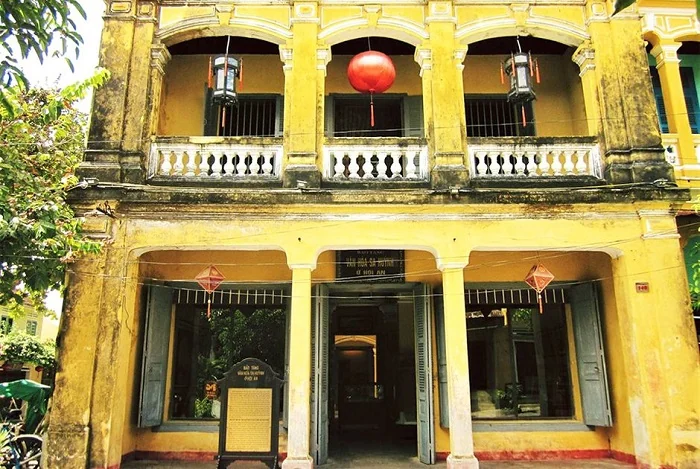
    The museum preserves and displays a remarkable collection of archaeological artifacts associated with the ancient Sa Huynh culture, one of the important prehistoric cultures of central Vietnam.

    The exhibits provide valuable insights into the lives, traditions, and material culture of the people who lived in this region long before Hoi An became a prosperous international trading port.

    For history enthusiasts, this museum offers a fascinating glimpse into one of the earliest chapters of central Vietnam’s cultural story.

    1.14. Hoi An Museum of Folk Culture

    📍Address: 33 Nguyen Thai Hoc Street

    Opened to visitors on March 24, 2005, the Hoi An Museum of Folk Culture occupies a beautiful two-story historic building with entrances connecting Nguyen Thai Hoc and Bach Dang streets.
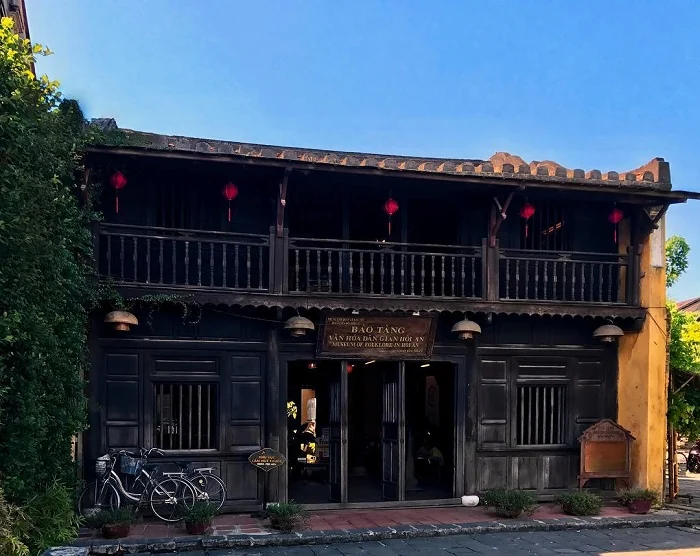
    The museum houses around 490 artifacts representing different aspects of traditional Vietnamese and Hoi An culture.

    Its collections explore four major themes: folk visual arts, traditional performing arts, traditional crafts, and everyday folk life.

    A visit here provides a deeper understanding of the customs, artistic traditions, and daily activities that have shaped Hoi An’s distinctive cultural identity over generations.

    1.15. Hoi An Museum of Trade Ceramics

    📍Address: 80 Tran Phu Street

    Built in 1995, the Hoi An Museum of Trade Ceramics houses more than 361 ceramic artifacts dating from the 8th to the 18th centuries.
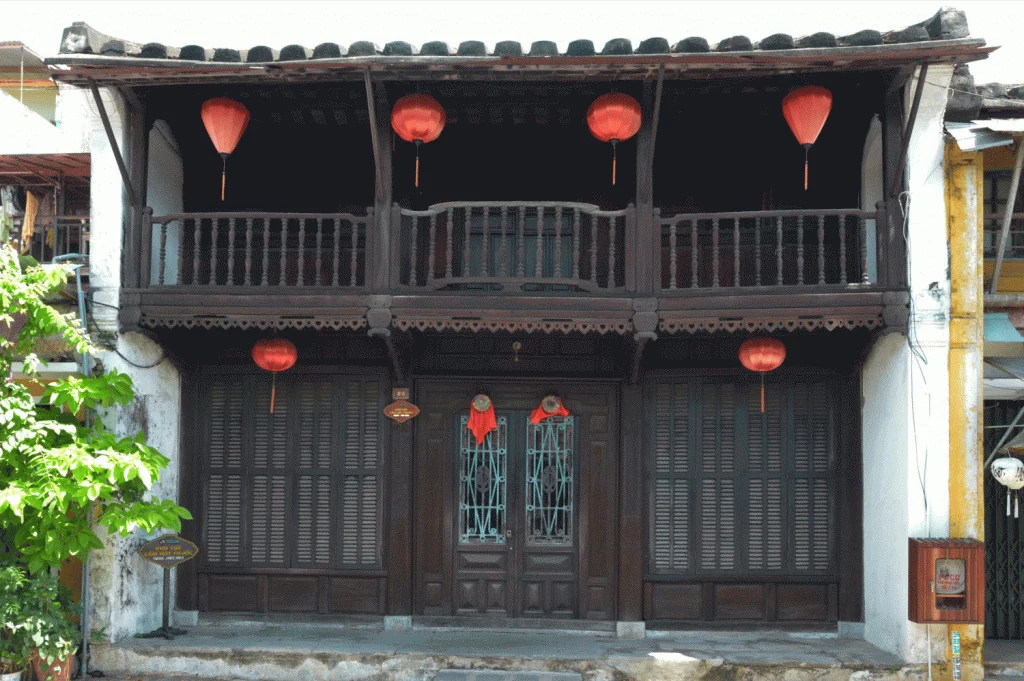
    The collection offers fascinating evidence of Hoi An’s role in the ancient maritime trading network. Many of the objects reflect the extensive commercial and cultural exchanges that connected Vietnam with other parts of Asia and the wider world.

    For travelers interested in maritime history, archaeology, or the story behind Hoi An’s rise as an international trading port, this museum is well worth a visit.

    1.16. An Bang Beach

    📍Address: Hai Ba Trung Street

    Located approximately 3 km east of Hoi An Ancient Town, An Bang Beach is one of the city’s most popular coastal escapes.
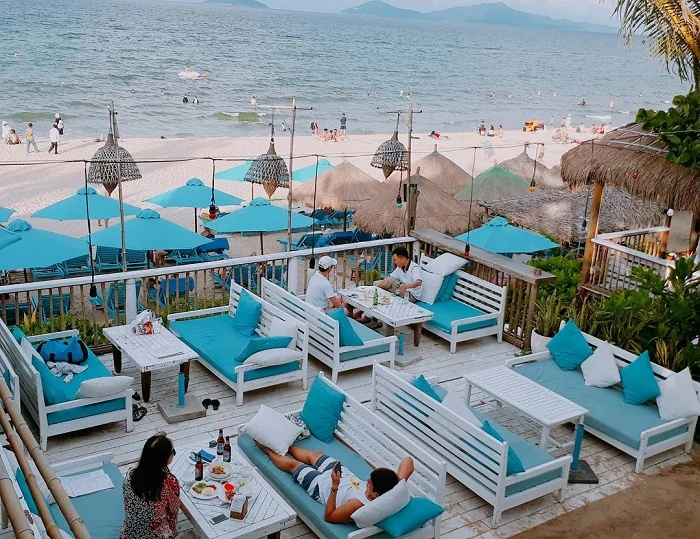
    The beach has gained international attention and has been included on lists of the world’s most beautiful beaches. Stretching for around 4 km, it combines soft sandy shores, fresh sea air, and lush coastal vegetation.

    An Bang is particularly appealing to travelers looking for a more relaxed and romantic atmosphere away from the busy streets of the Ancient Town.

    Spend a few hours here swimming, enjoying a drink by the sea, or simply watching the waves roll gently onto the shore.

    1.17. My Son Sanctuary

    📍Location: My Son Village, Thu Bon Commune

    One of the most remarkable heritage sites near Hoi An, My Son Sanctuary is an ancient complex of Cham temples hidden within a lush valley approximately 2 km in diameter.
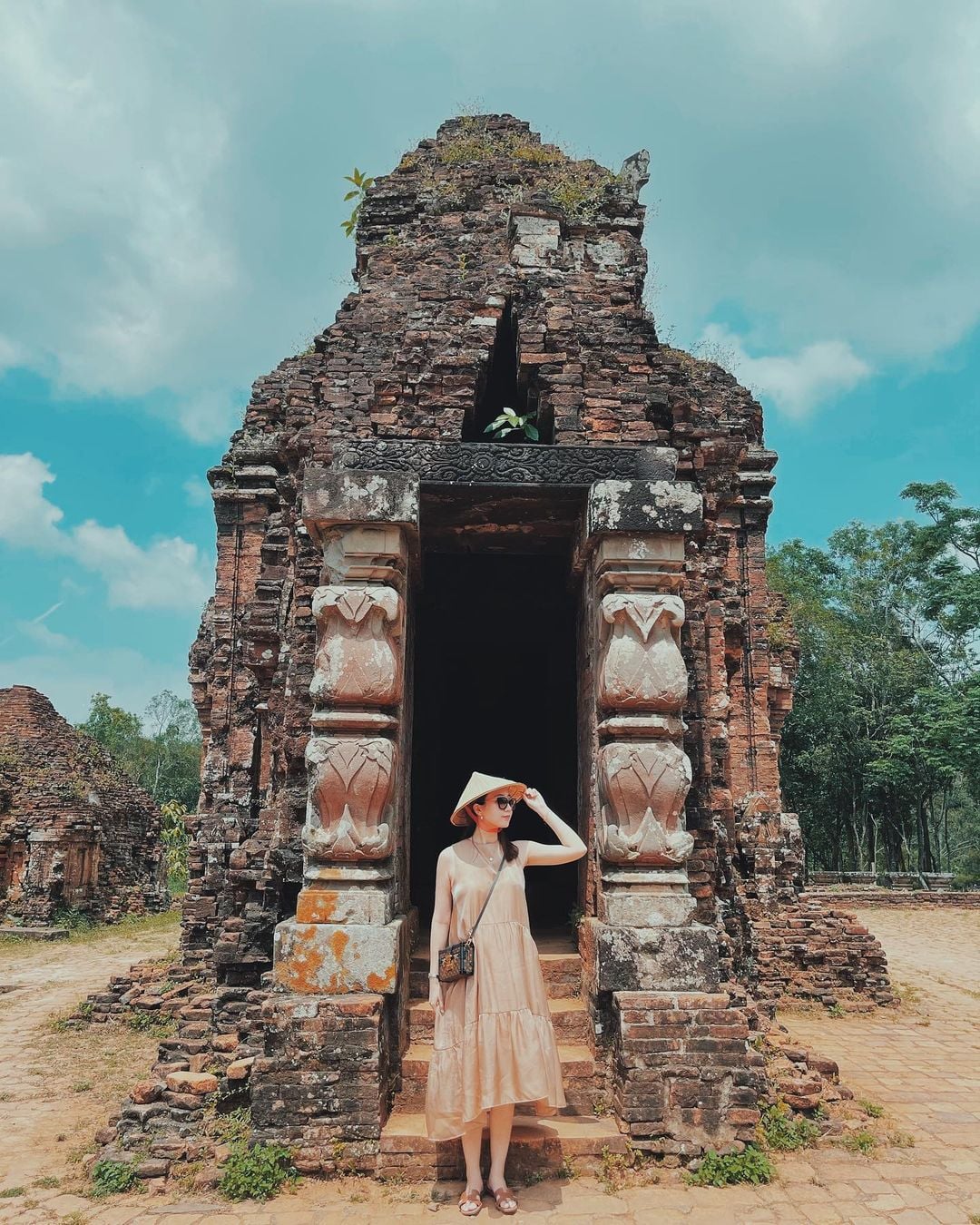
    The temples feature distinctive Cham architecture and were once an important religious and ceremonial center of the ancient Champa Kingdom.

    Walking among the weathered brick towers and temple ruins offers a fascinating journey into the history of central Vietnam and the remarkable civilization that once flourished here.

    For travelers interested in archaeology, history, and Southeast Asian heritage, My Son is an unforgettable day trip from Hoi An.

    1.18. Cham Islands

    📍Address: Bai Ong Village, Tan Hiep Commune

    With their rugged landscapes, clear waters, and relatively untouched natural beauty, the Cham Islands are a favorite destination for travelers seeking adventure and a break from the historic streets of Hoi An.
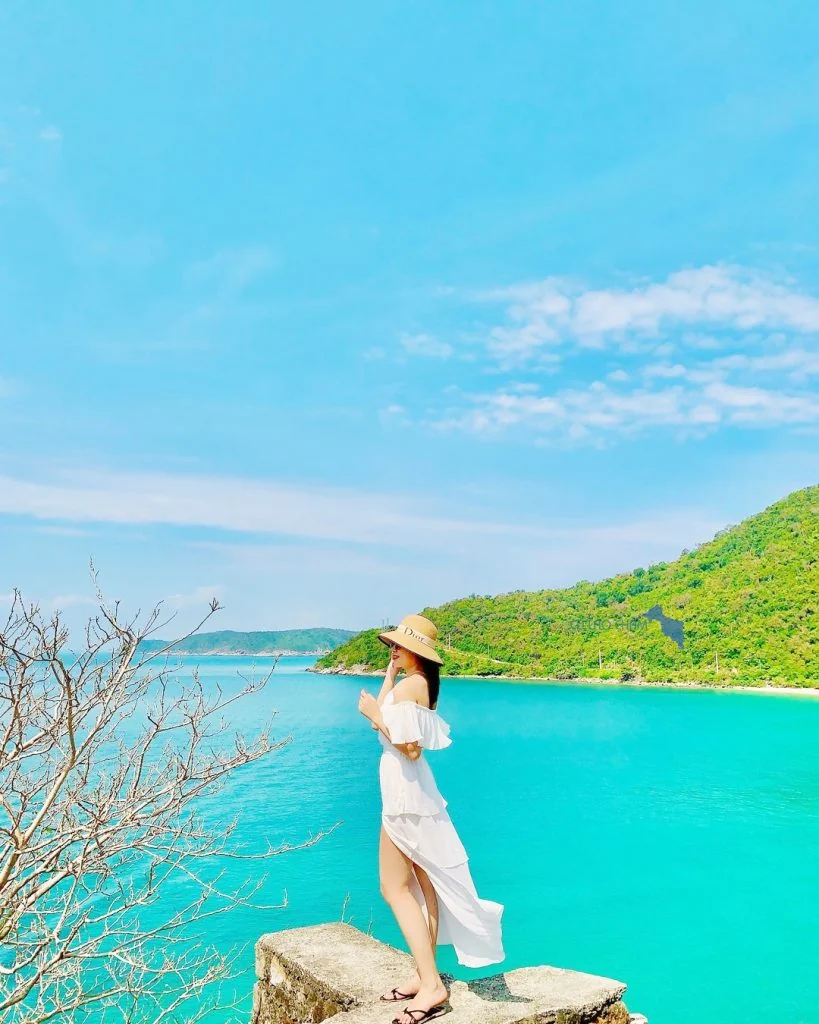
    The islands offer a variety of activities, including snorkeling, scuba diving, coral reef exploration, high-speed boat rides, and kayaking.

    The combination of turquoise waters, tropical scenery, and laid-back island life makes the Cham Islands an excellent choice for travelers who want to add some outdoor adventure to their Hoi An itinerary.

    1.19. Thanh Ha Pottery Village

    📍Address: Pham Phan Street, Hoi An West Ward

    With a history spanning more than 500 years, Thanh Ha Pottery Village has survived countless changes throughout the history of Hoi An.
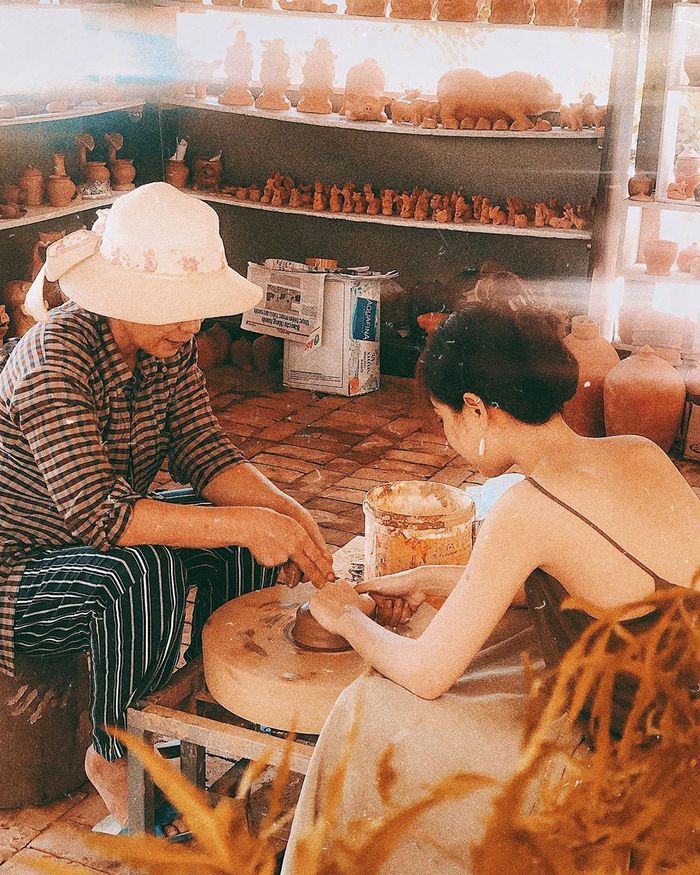
    Today, it is one of the city’s most interesting traditional craft destinations, where visitors can see local artisans shaping clay into beautiful handmade objects using techniques passed down through generations.

    The village offers a more hands-on and authentic experience than simply visiting a museum. Depending on the activities available, visitors can watch pottery being made or even try creating their own piece.

    1.20. Kim Bong Carpentry Village – A Glimpse of Traditional Craftsmanship

    📍Address: Trung Ha, Hoi An

    For a closer look at traditional Vietnamese craftsmanship, visit Kim Bong Carpentry Village, a historic craft village known for its skilled woodworkers.
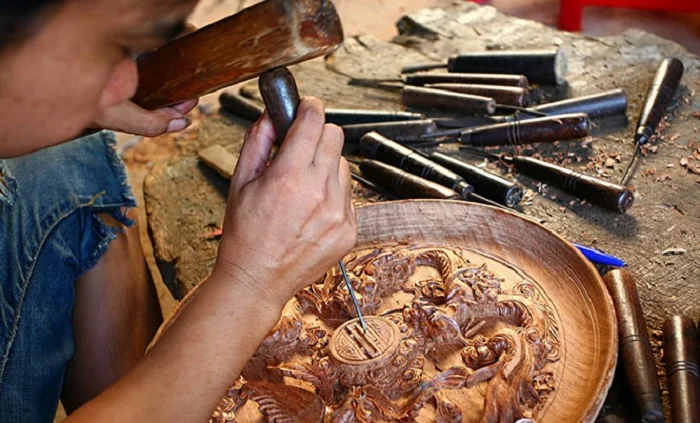
    Here, visitors can watch artisans transform pieces of wood into intricate products using techniques developed and refined over generations. Their work combines practical craftsmanship with artistic and cultural value.

    A walk through the village and its traditional workshops offers a fascinating insight into the history of woodworking in Hoi An and the important role traditional crafts continue to play in the local community.

    1.21. Tra Que Vegetable Village

    📍Address: Tra Que Village, Hoi An West Ward

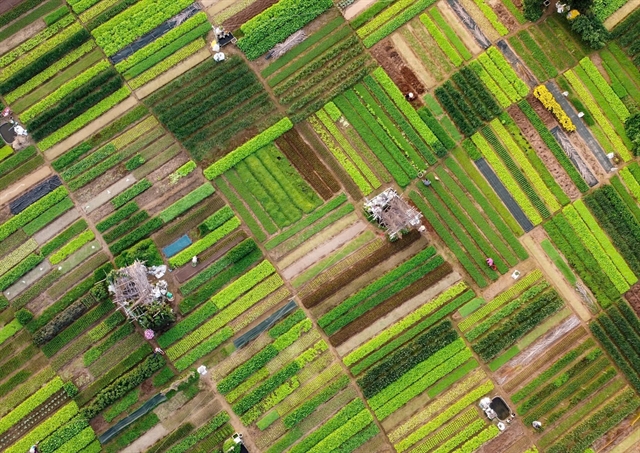
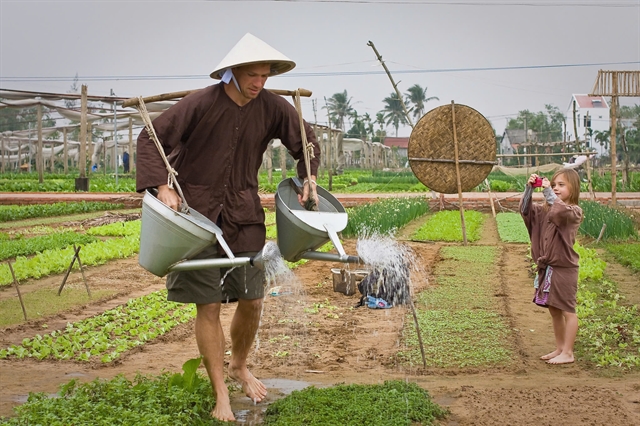
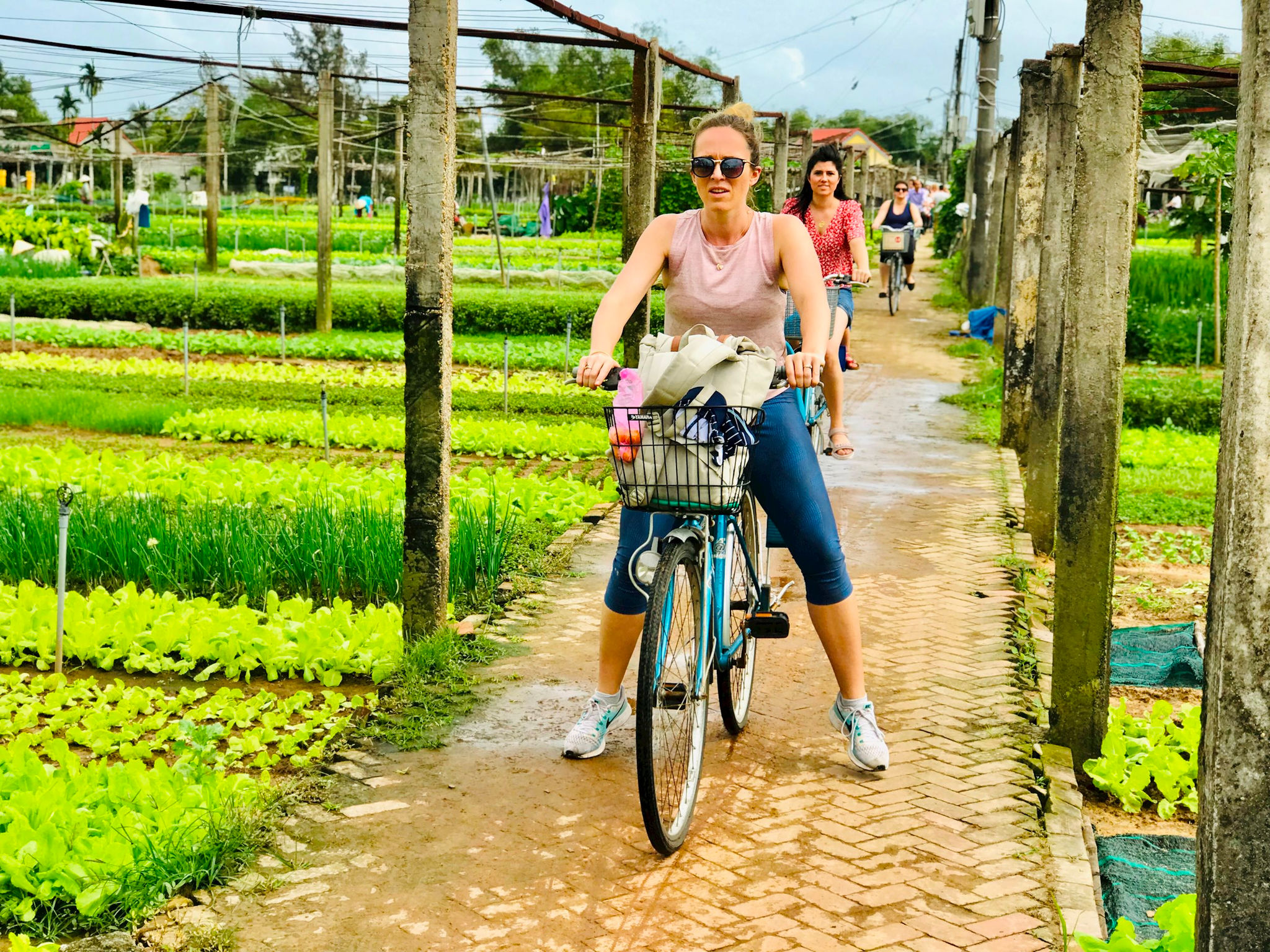
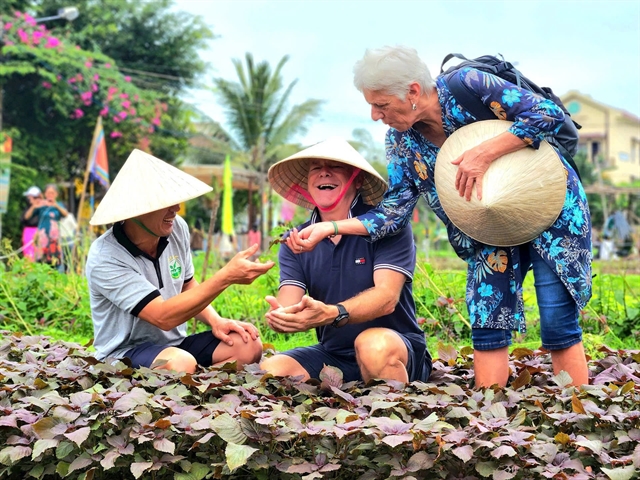
    Tra Que Vegetable Village is famous for its lush green fields and fresh herbs and vegetables, but the real attraction is the opportunity to experience traditional farming firsthand.
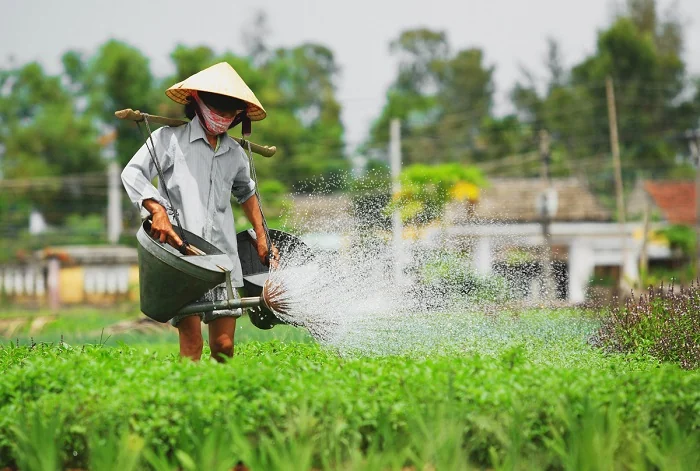
    Visitors can take part in activities that allow them to spend a day as a local farmer, learning how vegetables are planted, watered, cultivated, and harvested.

    Surrounded by peaceful countryside, fragrant herbs, and vibrant green fields, Tra Que offers a refreshing change of pace from the busy Ancient Town.

    Don’t miss the chance to sample simple, fresh local dishes prepared with vegetables grown right here in the village.

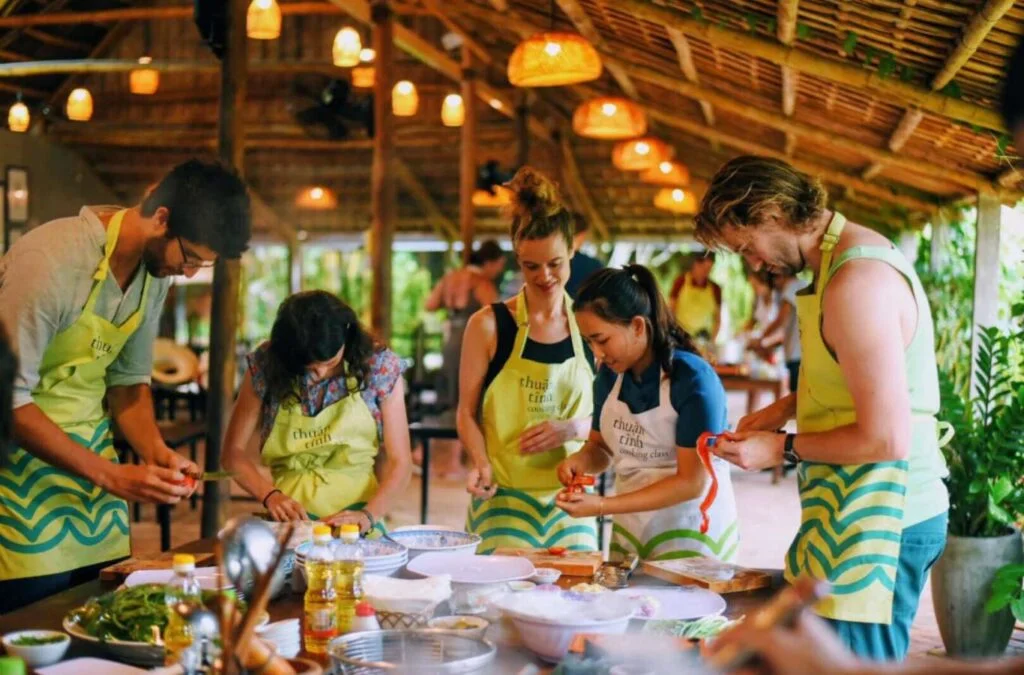
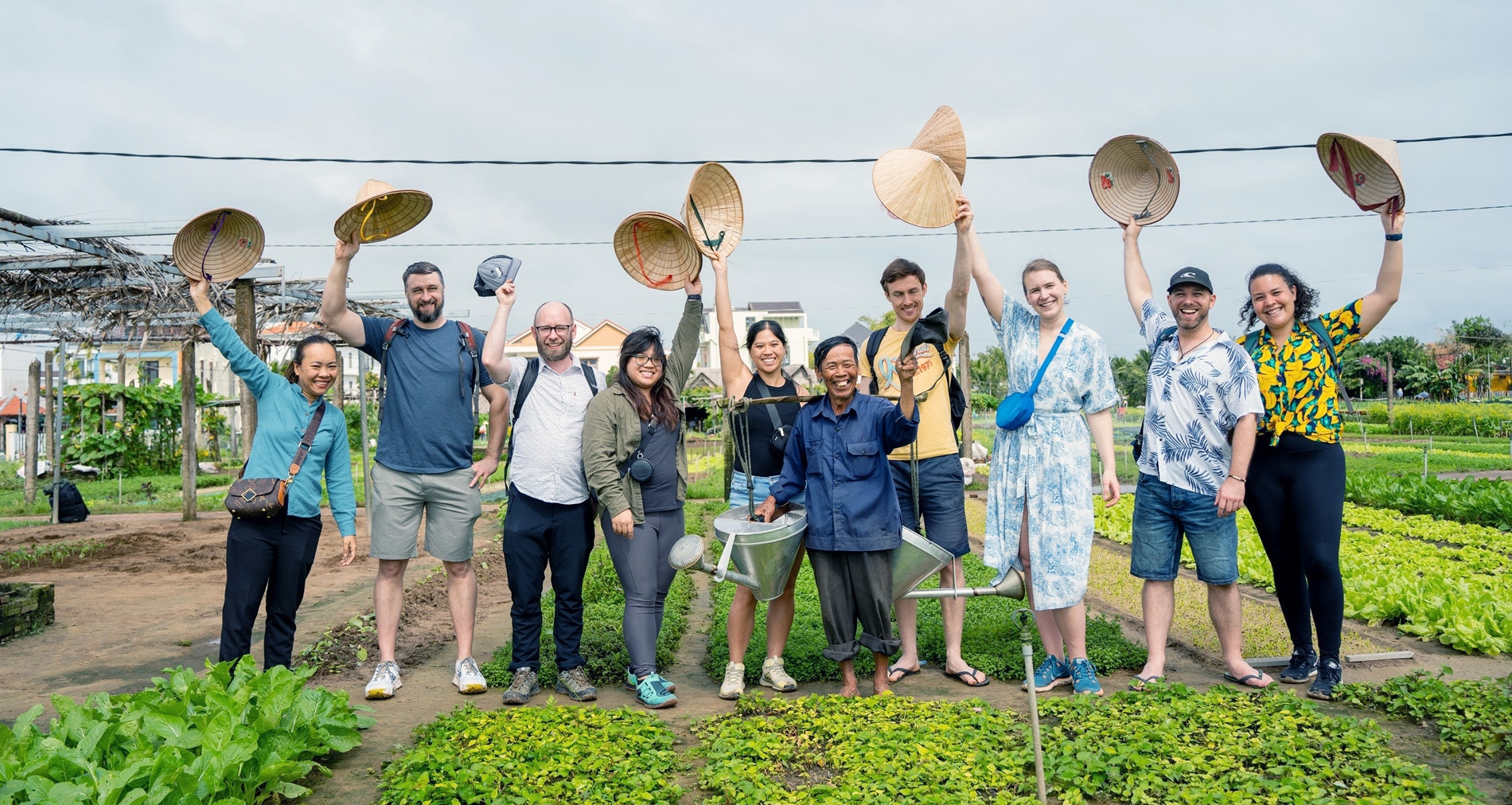
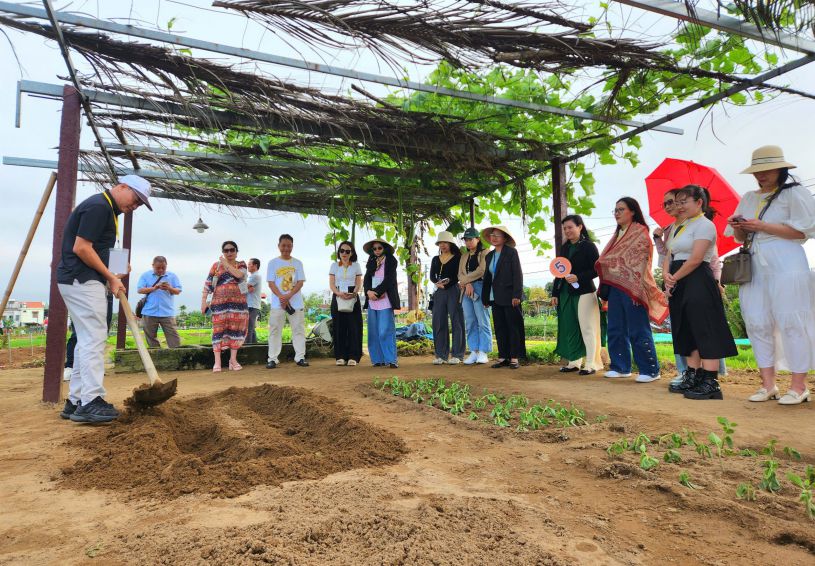
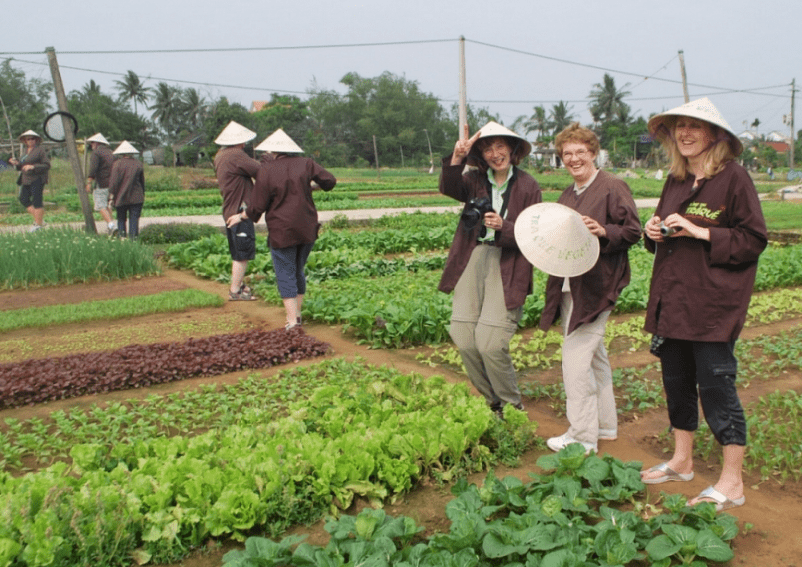
    Some actual photos from Tra Que Vegetable Village:
    1.22. Bay Mau Coconut Forest

    📍Address: Cam Thanh Commune, Hoi An East Ward

    Located approximately 3 km southeast of Hoi An Ancient Town, the Bay Mau Coconut Forest is one of the area’s most distinctive natural attractions.
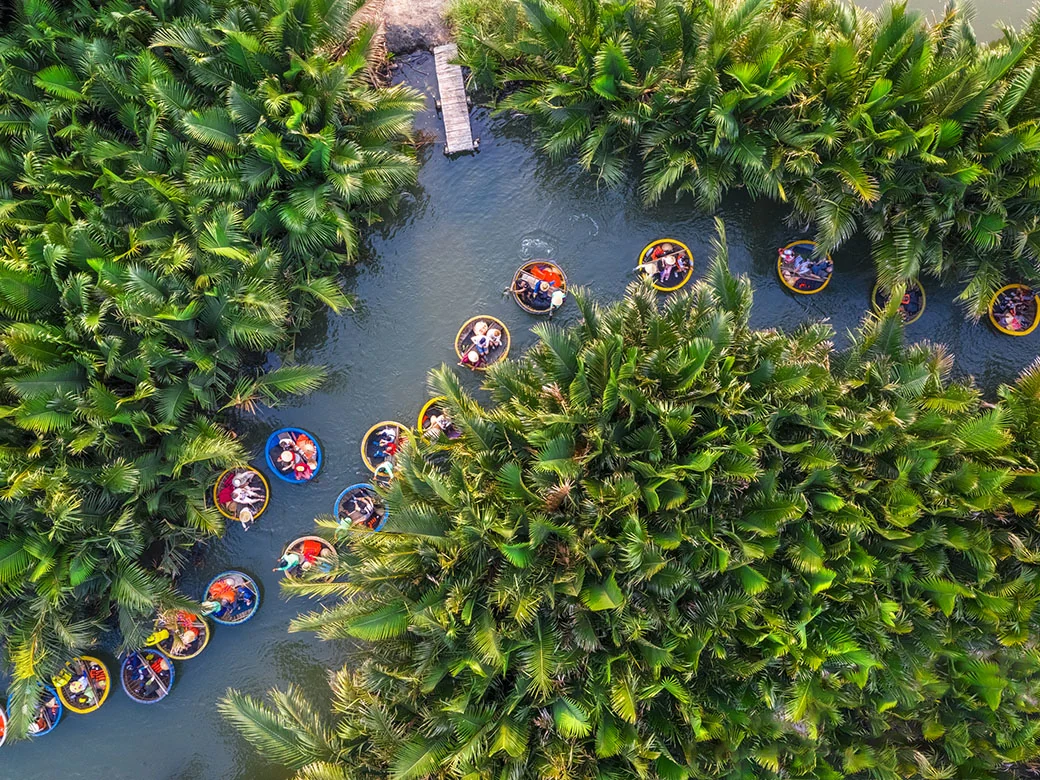
    Often described as “the Mekong Delta in the heart of Hoi An,” this lush water coconut forest offers a completely different side of the city.

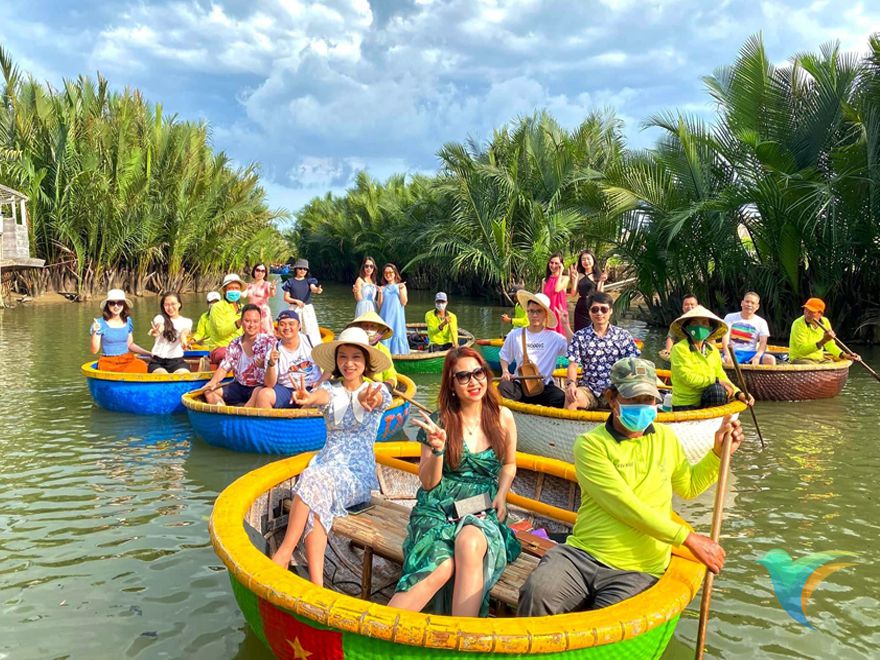
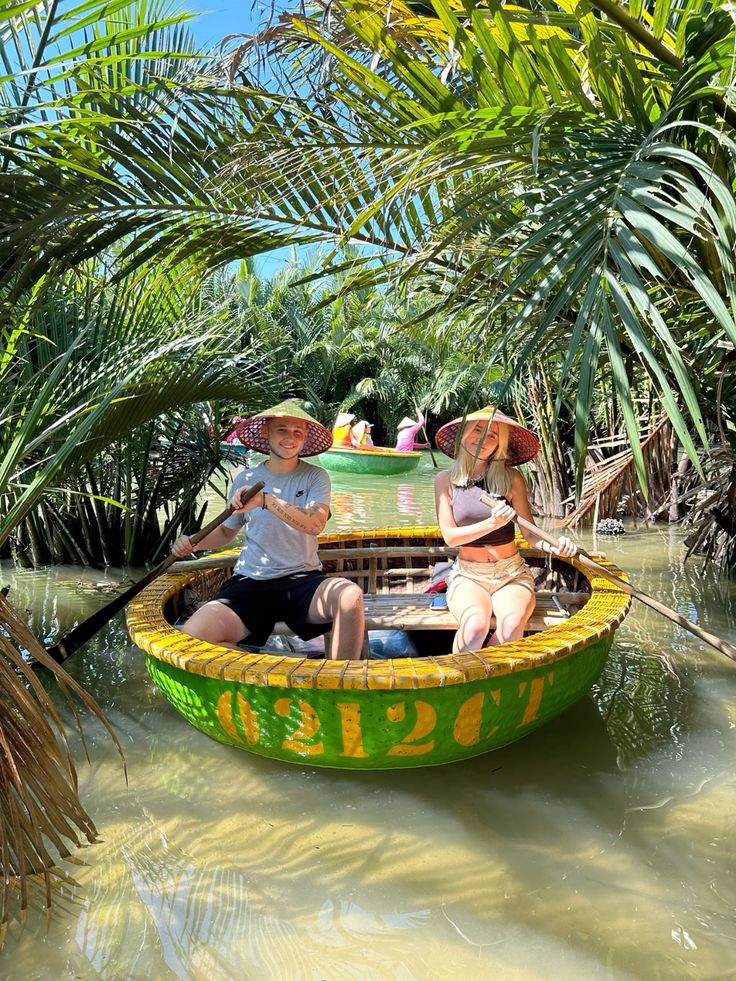
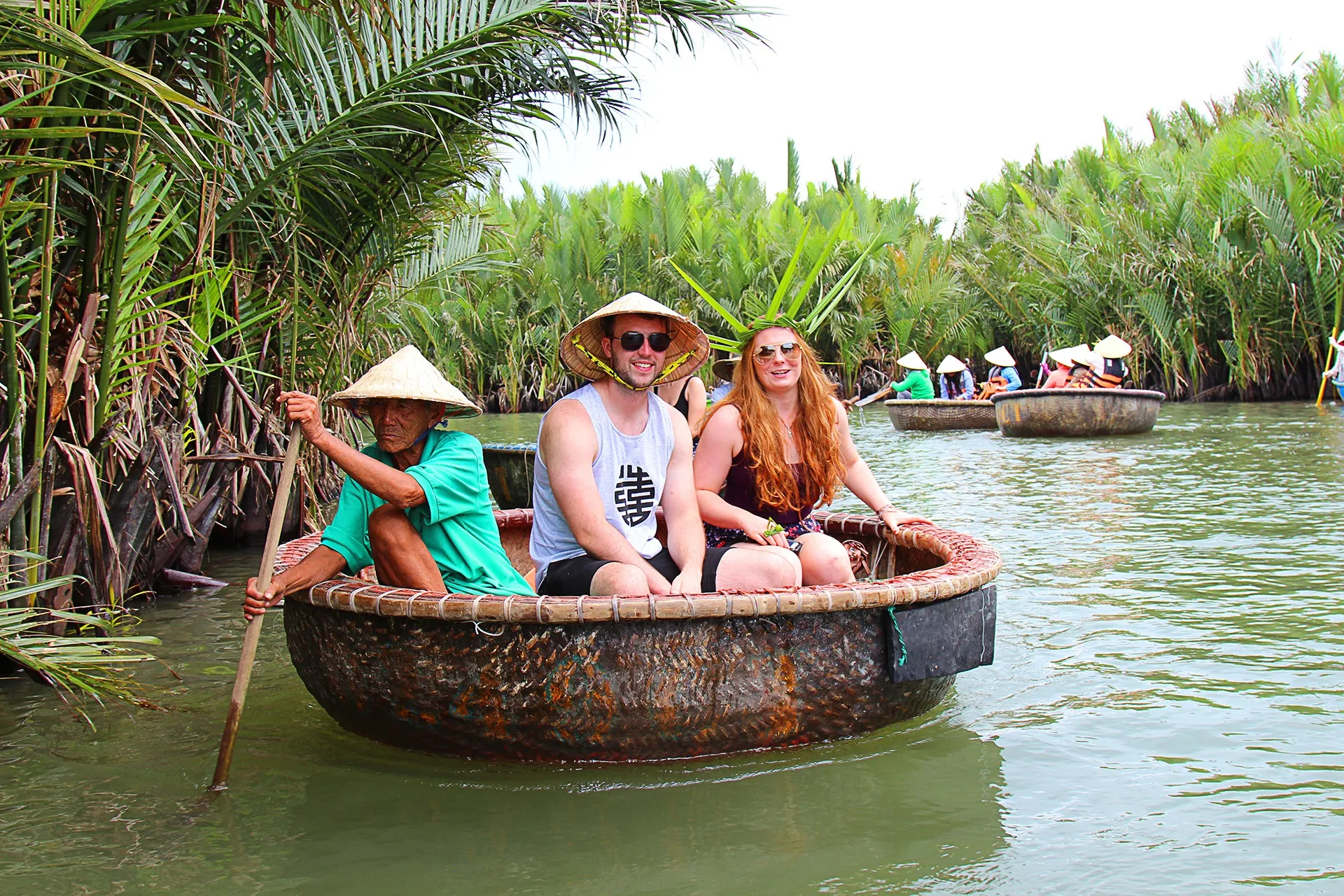
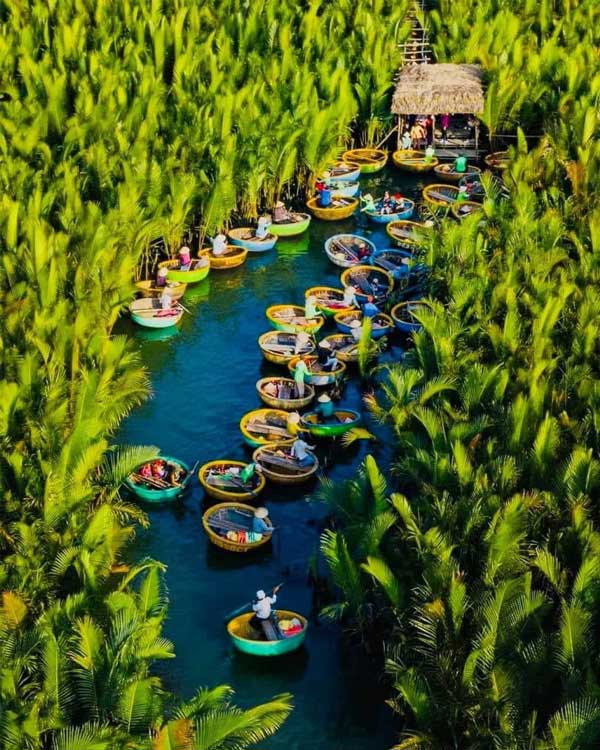
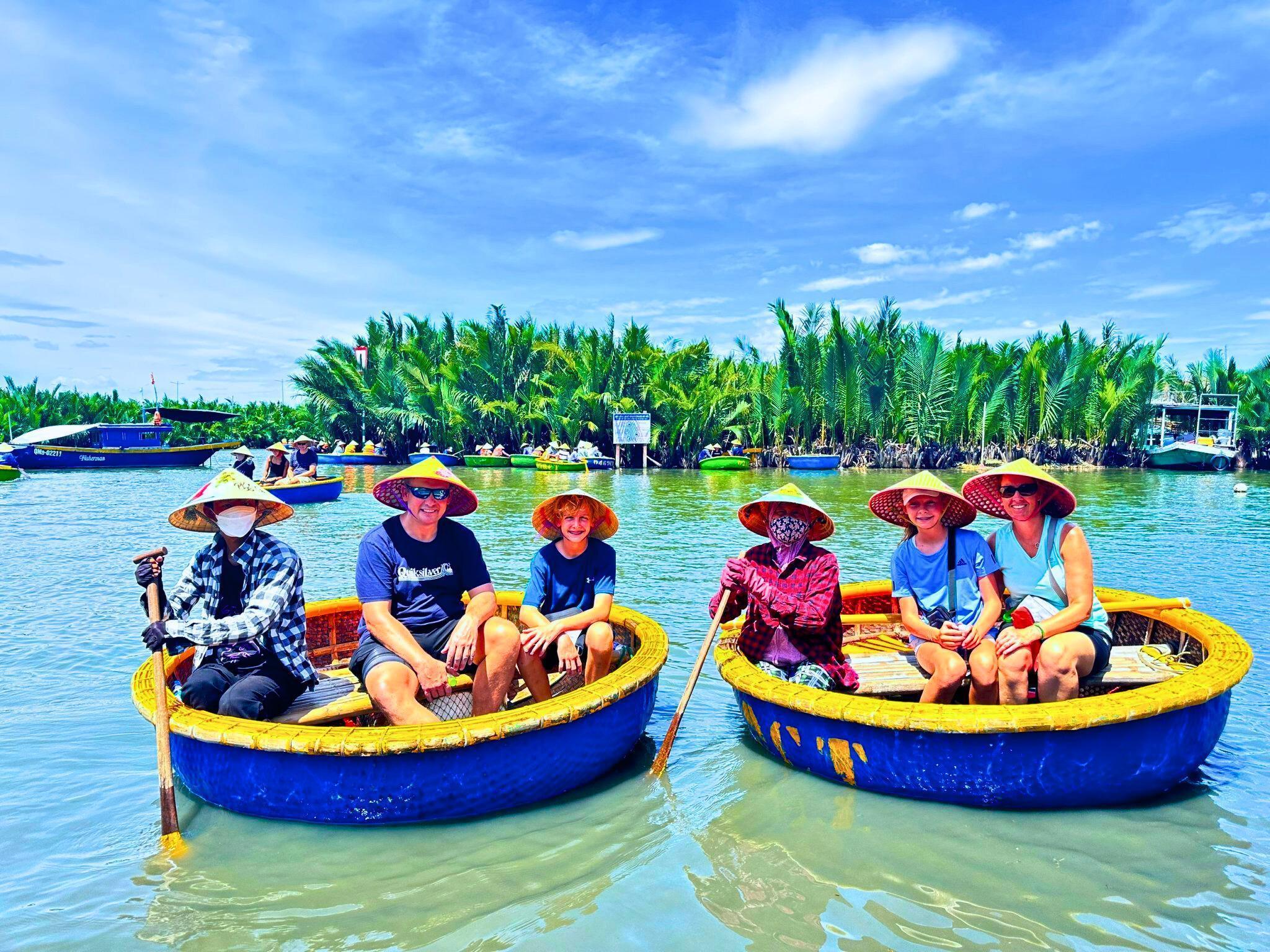
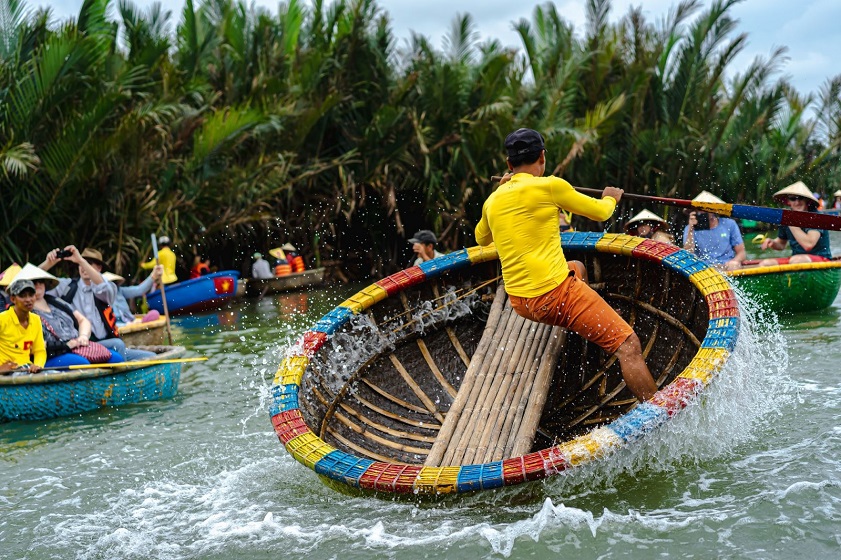
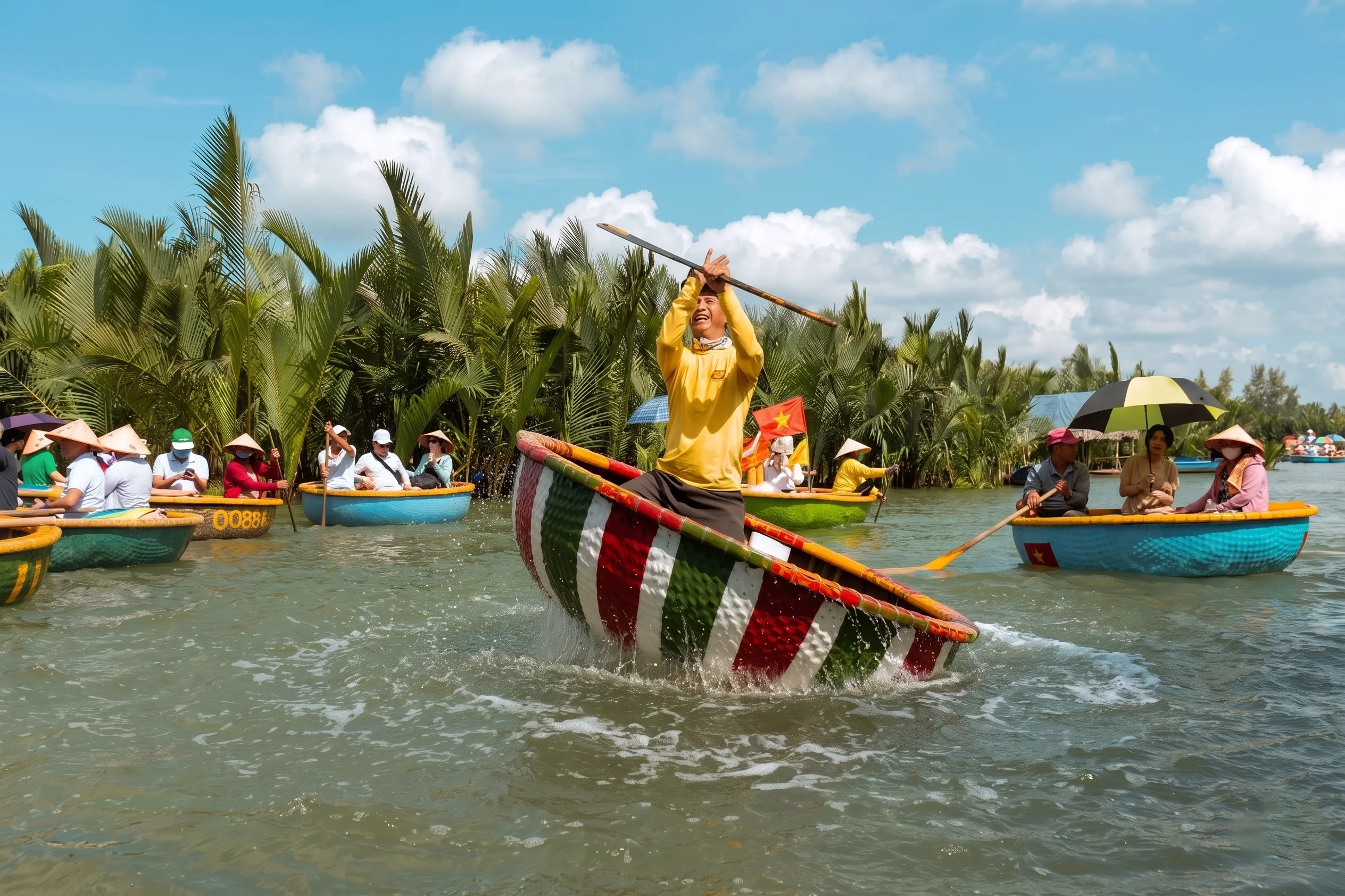
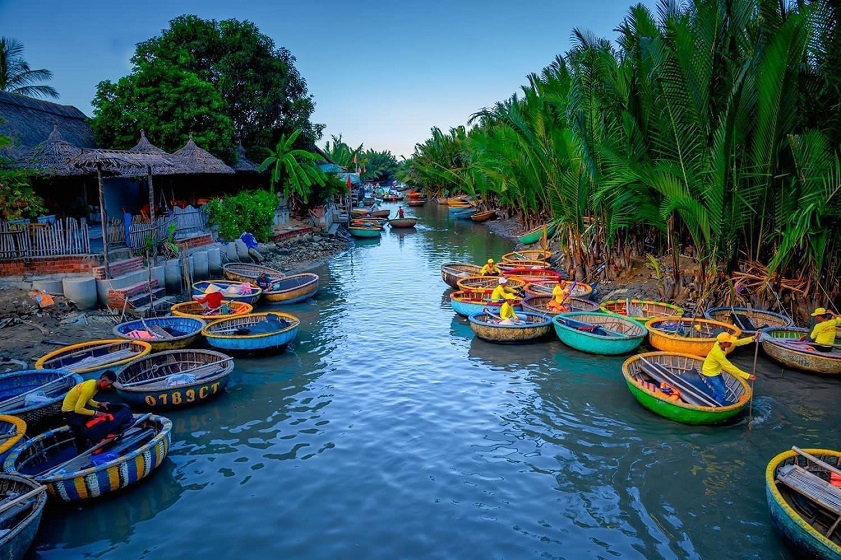
    Visitors can explore the waterways by traditional basket boat, glide beneath the coconut palms, and experience the peaceful riverside landscape.

    The combination of waterways, coconut groves, traditional boats, and local life makes Bay Mau an especially popular experience for first-time visitors to Hoi An.

    Some actual photos from Bay Mau Coconut Forest:
    1.23. Hoi An Handicraft Workshop

    📍Address: 9 Nguyen Thai Hoc Street

    The Hoi An Handicraft Workshop is a fascinating place to discover the craftsmanship and artistic traditions of the region.
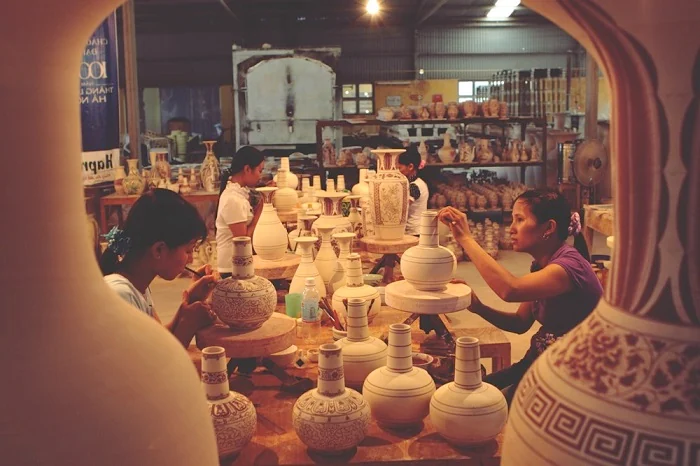
    The workshop currently showcases 12 traditional crafts, creating a wide variety of handmade products that reflect the colors, stories, cultural values, and creativity of Hoi An.

    Visitors can observe artisans at work and learn more about traditional techniques that have been preserved and passed down through generations.

    It is an excellent stop for travelers looking for authentic cultural experiences and unique handmade souvenirs.

    1.24. Hoi An Ancient Town

    📍Location: Hoi An Ward

    No trip to Hoi An would be complete without exploring Hoi An Ancient Town, the historic heart of the city.
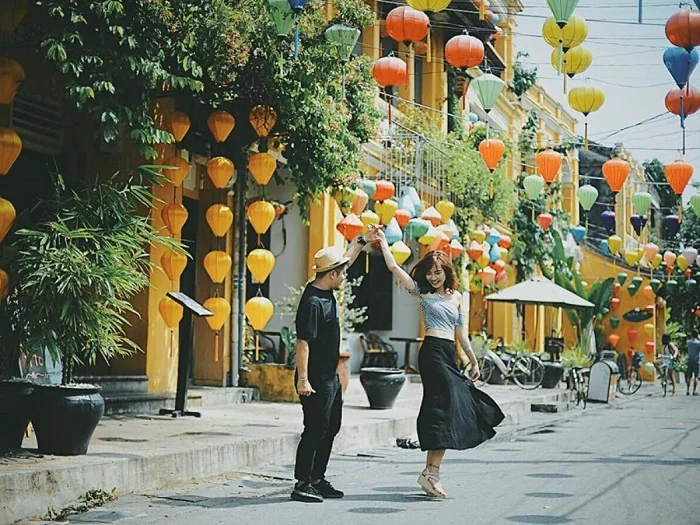
    The UNESCO-listed old town is characterized by its narrow streets and charming lanes arranged in a distinctive grid-like pattern. Many of its buildings have been beautifully preserved, reflecting more than 400 years of history as a thriving trading port.

    Traditional wooden houses, colorful lanterns, historic assembly halls, old merchant residences, riverside streets, small shops, and atmospheric cafes create an experience that feels like stepping into another era.

    The best way to experience the Ancient Town is simply to slow down and wander. Explore the streets on foot, stop for local food, browse the small shops, and return after sunset when hundreds of colorful lanterns transform the town into one of Vietnam’s most magical evening scenes.

    1.25. TRE Coffee, Lounge & Dining – An Elegant Contrast of Old and New

    Address: Casamia Hoi An, near Vo Chi Cong Road

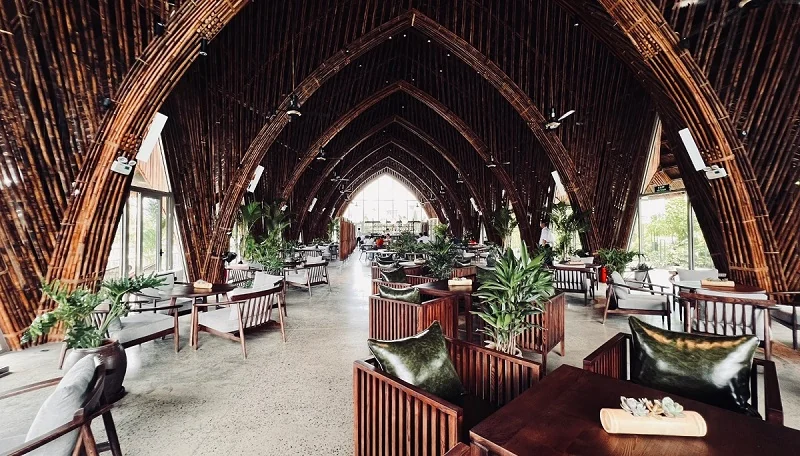
    For a more contemporary experience, TRE Coffee, Lounge & Dining offers an intriguing contrast to Hoi An’s historic architecture.
    Tour Hoi An - Top 25 Best Places to Visit in Hoi An, Vietnam

    During the day, TRE has the relaxed atmosphere of a peaceful café, making it a pleasant place to enjoy coffee and unwind. After dark, the venue transforms into a stylish and vibrant lounge with a more sophisticated nightlife atmosphere.

    The open-plan space combines contemporary architecture with natural materials and subtle Vietnamese design influences, creating a setting that feels modern while retaining a distinctly local character.

    The menu features a diverse selection of Asian and Western dishes, along with food designed to pair with wine and other drinks.

    Even the presentation receives careful attention. From distinctive bamboo-inspired cups to creative cocktails and other beverages prepared by skilled bartenders, TRE offers a dining and drinking experience with its own unique personality.

    For travelers looking to experience a more modern and stylish side of Hoi An beyond the Ancient Town, TRE is an interesting place to add to an evening itinerary.

    2. Essential Hoi An Travel Tips for a Perfect Trip

    To make the most of your trip to Hoi An, it is a good idea to read a few travel reviews and practical travel guides before you go. A little preparation can help you plan your itinerary, manage your budget, and enjoy a smoother and more memorable experience.

    2.1. How Many Days Do You Need in Hoi An?

    The ideal length of your Hoi An trip depends on your interests, itinerary, and budget.
    If you simply want to explore Hoi An Ancient Town and experience the city’s highlights, 2 days and 1 night is generally enough. This gives you time to wander through the historic streets, visit cultural attractions, enjoy local cuisine, and soak up the town’s atmospheric evenings.

    However, if you also want to explore nearby destinations such as Da Nang and Hue, it is better to set aside around 3–4 days. With a little extra time, you can travel at a more relaxed pace and enjoy both Hoi An and the surrounding region without feeling rushed.

    2.2. Where to Stay in Hoi An?

    Visitors to Hoi An have plenty of accommodation options, ranging from budget hotels and cozy homestays to luxury resorts.
    Tour Hoi An - Top 25 Best Places to Visit in Hoi An, Vietnam

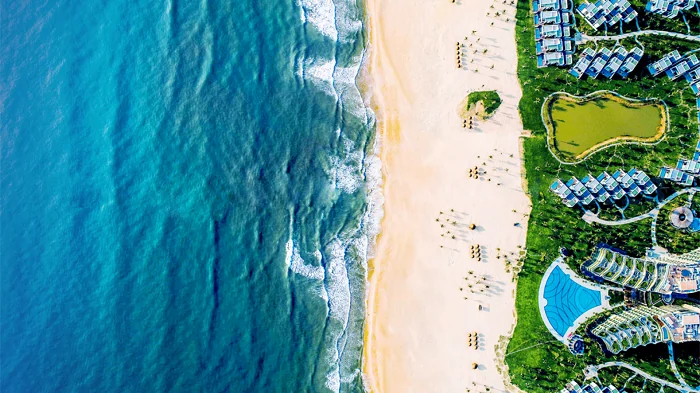
    For travelers looking for a more complete experience with professional service, five-star facilities, elegant rooms, and beautiful views, a luxury resort in the Nam Hoi An area can be an excellent choice.

    For a relaxing and comfortable stay, consider the Vinpearl resort system in Nam Hoi An, which offers a combination of upscale accommodation, modern amenities, leisure facilities, and convenient access to nearby attractions.

    2.3. How Much Does an Independent Trip to Hoi An Cost?

    The cost of an independent trip to Hoi An depends on your travel style and how much you want to explore. Here are some of the main expenses to consider:

    Transportation to Hoi An:

    • Flight tickets: approximately VND 380,000–3,000,000 per person
    • Train tickets: approximately VND 400,000–1,200,000 per person
    • Bus tickets: approximately VND 400,000–500,000 per person, one way

    Transportation around Hoi An:
    You can get around by taxi, bus, motorbike taxi, cyclo, or bicycle. For the greatest flexibility, renting a motorbike is a popular option, typically costing around VND 100,000–150,000 per day. Bicycle rentals are even more affordable, at around VND 30,000 per day.

    Accommodation:
    Room rates vary widely depending on your preferred level of comfort. Budget accommodation can start at around VND 300,000 per room per night, while upscale hotels and resorts can cost VND 1,000,000 or more per night.

    Food and drinks:
    Hoi An is a paradise for food lovers, with everything from inexpensive street food to fine dining. A budget of around VND 200,000 per person per day can be enough for travelers who mainly enjoy local dishes and casual meals.

    Entrance fees and sightseeing:
    Tickets for attractions in and around Hoi An Ancient Town generally range from around VND 10,000–80,000 per person, while beaches, entertainment venues, and larger tourist attractions may charge approximately VND 100,000–500,000 per person.

    The good news is that Hoi An also offers plenty of places and experiences that are completely free, from strolling through the ancient streets to enjoying the riverside atmosphere.

    Tour Hoi An - Top 25 Best Places to Visit in Hoi An, Vietnam

    Overall, a 3-day, 2-night independent trip to Hoi An may cost around VND 3.5–4 million per person, depending on your transportation, accommodation, dining choices, and activities.

    2.4. How to Save Money on an Independent Hoi An Trip
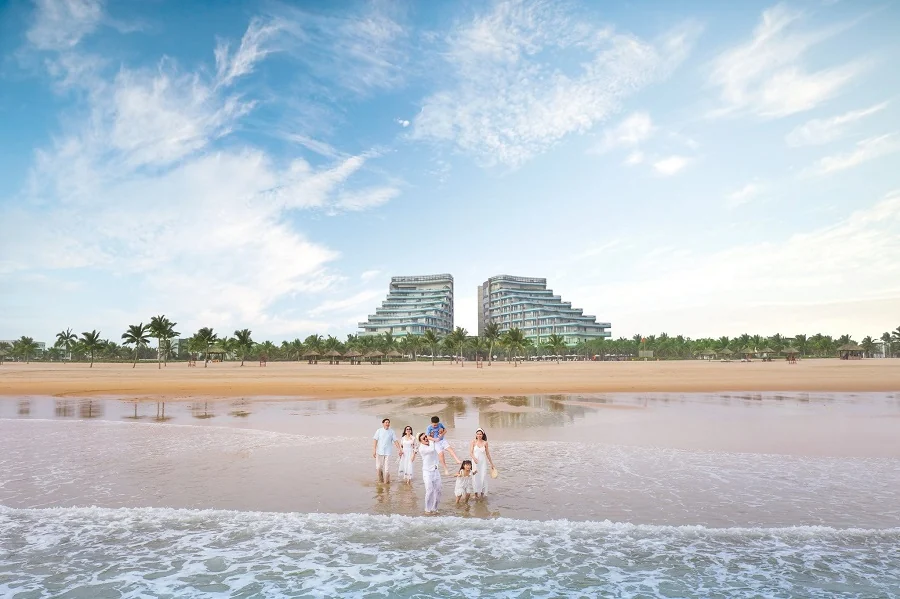
    Tour Hoi An - Top 25 Best Places to Visit in Hoi An, Vietnam

    Traveling independently does not have to be expensive. Here are a few practical tips to help you keep your Hoi An travel budget under control:

    • Book an all-inclusive Hoi An tour if you prefer to combine transportation, accommodation, and sightseeing into one package.
    • Look for hotel-and-flight packages, which can sometimes offer better value than booking each service separately.
    • Do not automatically follow unsolicited recommendations from people directing you to restaurants or shopping places, especially if you have not checked reviews beforehand.
    • Book transportation and accommodation in advance, particularly during busy travel periods. If you are looking for a five-star resort experience, booking your stay at Vinpearl Resort & Golf Nam Hoi An early may also give you access to attractive promotions and special offers.

    With a little planning, you can enjoy the best of Hoi An without overspending—and still have plenty of time to slow down, explore, eat well, and experience the unique charm of this historic Vietnamese town.
  • Tourist attractions in Ha Long, Quang Ninh, Vietnam

    Tourist attractions in Ha Long, Quang Ninh, Vietnam

    Best Places to Visit in Ha Long, Vietnam

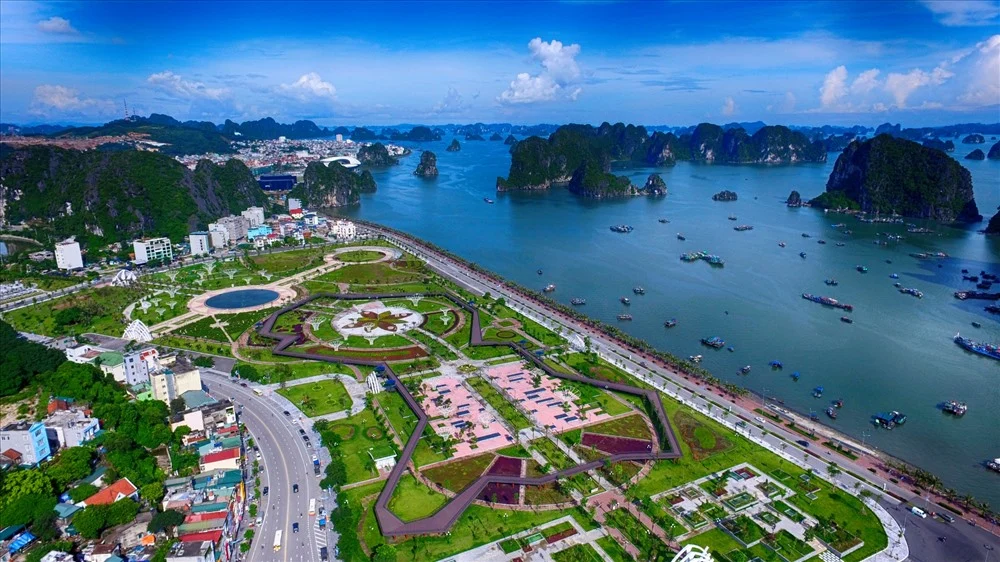
    The best places to visit in Ha Long continue to attract travelers from around the world, thanks to the region’s spectacular natural beauty and its globally recognized UNESCO heritage. From breathtaking limestone islands and emerald waters to vibrant beaches, cultural attractions, and lively night markets, Ha Long offers something for every type of traveler.

    In this guide, discover the most popular and Instagram-worthy places to visit in Ha Long, along with useful travel tips to help you make the most of your trip.

    Ha Long at a Glance

    Location: Ha Long is in Quang Ninh Province, approximately 155 km from Hanoi. It is one of the most popular travel destinations in northern Vietnam.

    Top attractions:

    • Ha Long Bay – A UNESCO World Heritage Site, famous for its thousands of spectacular limestone islands and karst formations.
    • Tuan Chau Island – A premier entertainment and resort destination featuring a modern marina and a wide range of leisure activities.
    • Bai Chay – A lively tourist district known for its sandy beach, entertainment venues, restaurants, and bustling night market.
    • Quang Ninh Museum – An eye-catching architectural landmark and a fascinating place to learn about the history and culture of Quang Ninh.

    Recommended place to stay: Vinpearl Resort & Spa Ha Long – An excellent choice for couples, families, and groups looking for a comfortable and upscale seaside getaway.

    What Are the Best Places to Visit in Ha Long?

    Planning a trip to Quang Ninh and hoping to explore the highlights of Ha Long? This guide will introduce you to some of the city’s most popular attractions, from world-famous natural wonders to cultural landmarks and lively entertainment areas.

    Whether you are traveling with family, as a couple, or with friends, these destinations can help you experience the many different sides of Ha Long.

    1. Quang Ninh Museum

    Located on Tran Quoc Nghien Street in Hong Gai, Quang Ninh Museum is an impressive architectural landmark overlooking Ha Long Bay. With its bold, minimalist design and striking black exterior, the building is often compared to a black pearl by the bay and has become one of the city’s most popular photography spots.

    Best Places to Visit in Ha Long, Vietnam

    The museum consists of three main floors, with each floor exploring a different aspect of Quang Ninh’s natural environment, history, and cultural identity.

    • First floor: Focuses on the sea, nature, and the diverse ecosystems of Quang Ninh.
    • Second floor: Showcases historical artifacts and stories reflecting the region’s development through different periods.
    • Third floor: Explores Quang Ninh’s famous coal-mining heritage and recreates aspects of life in the province’s historic mining communities.

    For travelers interested in understanding the history, culture, and everyday life of this famous mining region, Quang Ninh Museum is well worth a visit.

    2. Ha Long Bay

    With its dramatic limestone karsts rising from emerald-green waters, Ha Long Bay is undoubtedly the crown jewel of Ha Long and one of Vietnam’s most iconic natural destinations.

    Recognized by UNESCO for its outstanding natural value, the bay is home to thousands of limestone islands, mysterious caves, secluded beaches, and a rich marine ecosystem. The scenery is especially spectacular when viewed from the water, where towering karst formations seem to emerge directly from the sea.

    Some of the bay’s most famous landmarks include Fighting Cocks Islets, Ngoc Vung Island, Con Coc Islet, Ti Top Island, and Sung Sot Cave.

    There are also plenty of ways to experience Ha Long Bay beyond simply admiring the scenery. Travelers can take an overnight cruise, explore hidden coves by kayak, swim in secluded waters, visit traditional fishing communities, or simply relax on deck while watching the spectacular landscape drift by.

    For first-time visitors to northern Vietnam, a cruise through Ha Long Bay is an experience that should be high on the itinerary.

    3. Tuan Chau Island, Ha Long

    Located at the gateway to Ha Long Bay, Tuan Chau Island is one of the city’s most well-known resort and entertainment destinations.

    The island is famous for its large artificial marina, beautiful beach, hotels and resorts, restaurants, and a variety of entertainment facilities. It also serves as an important departure point for many cruises exploring Ha Long Bay.

    Over the years, Tuan Chau has earned a number of romantic nicknames, including the Island of Flowers, Pearl Island, and Coconut Island, reflecting its attractive coastal scenery and lush surroundings.

    For visitors looking for a combination of seaside relaxation, entertainment, dining, and easy access to Ha Long Bay cruises, Tuan Chau is a convenient choice.

    4. Best Places to Visit in Bai Chay, Ha Long

    Bai Chay is one of the liveliest tourist areas in Ha Long. The district combines beaches, entertainment, shopping, restaurants, cafes, and nightlife, making it particularly popular with families and younger travelers.

    4.1. Bai Chay Beach

    Address: Ha Long Street, Bai Chay Ward, Quang Ninh Province

    One of the most popular beaches in Ha Long, Bai Chay Beach is a long artificial beach stretching for nearly 1 km along the coast.

    With soft white sand, open sea views, and a wide range of facilities, it is an ideal place to relax and enjoy the coastal atmosphere. Visitors can swim, take photos, watch the sunset, cycle along the waterfront, or organize outdoor activities and team-building events.

    The beach becomes especially atmospheric in the late afternoon, when the sunlight begins to soften and the sky turns golden over the bay.

    4.2. Ha Long Old Quarter

    Address: Ha Long Street, Bai Chay Ward, Quang Ninh Province

    Also known as Bai Chay Old Quarter, this colorful entertainment and shopping area is designed around the concept of a “street within a street.”

    One side recreates the nostalgic atmosphere of famous Vietnamese old quarters, drawing inspiration from Hoi An Ancient Town and Hanoi’s Old Quarter, while the other side comes alive with restaurants, cafes, shops, and lively street activity.

    Because of its distinctive architecture and compact atmosphere, the area is sometimes described as “Little Vietnam” and has become a popular place for visitors to stroll, dine, take photos, and experience Ha Long after dark.

    4.3. Funny Art 3D Museum Ha Long

    Address: Marine Plaza, Hung Thang Urban Area, Bai Chay Ward, Quang Ninh Province

    For something a little different, head to Funny Art 3D Museum Ha Long, an interactive attraction featuring more than 40 three-dimensional artworks.

    The exhibits cover a variety of imaginative themes, including aquariums, adventure scenes, humorous parody works, and optical illusions. The clever use of perspective creates the impression that the paintings come to life when viewed from the right angle.

    It is a fun stop for families, groups of friends, and anyone looking for creative and unusual photo opportunities during their Ha Long trip.

    4.4. Ha Long Night Market

    Address: Hoang Quoc Viet Street, Bai Chay Ward, Quang Ninh Province

    When the sun goes down, Ha Long Night Market becomes one of the busiest places in Bai Chay.

    With more than 100 stalls, the market offers a wide range of products, from clothing and souvenirs to snacks, local specialties, and other goods. It is a great place to browse for gifts, sample local flavors, and experience the lively atmosphere of Ha Long at night.

    For travelers spending several days in Quang Ninh, the night market is an easy addition to an evening itinerary after exploring Ha Long Bay or relaxing at the beach.

    5. Hon Gai Beach

    Address: Tran Quoc Nghien Street, Ha Long Ward, Quang Ninh Province

    Located right in the heart of Ha Long, Hon Gai Beach is a modern artificial beach offering a spacious and relaxing seaside environment.

    The beach features clear seawater, soft white sand, and convenient facilities such as beach chairs, rest areas, showers, and public amenities. Its central location makes it particularly convenient for travelers staying in Ha Long City.

    Visitors can swim, take a leisurely walk along the coast, enjoy outdoor activities, or simply sit back and admire the peaceful views across the bay.

    For travelers who want a convenient beach experience without having to travel far from the city center, Hon Gai Beach is an excellent option.

    6. Bai Tho Mountain – Panoramic Views of Ha Long Bay

    Bai Tho Mountain is one of the most famous landmarks in the heart of Ha Long, with a long history closely connected to the city’s cultural heritage. From the mountain, visitors can enjoy sweeping views across Ha Long Bay, where the sea, sky, limestone islands, and cityscape come together to create a spectacular panorama.

    The mountain is also a favorite photography spot, particularly among younger travelers, thanks to its elevated viewpoint and dramatic scenery.

    However, before planning a visit, travelers should check the latest official announcements from local authorities to confirm whether Bai Tho Mountain is currently open to visitors for hiking, as access may be temporarily restricted for safety or management reasons.

    7. Bai Chay Bridge

    Bai Chay Bridge spans Cua Luc Bay and connects Bai Chay with Hon Gai in Ha Long. Located along National Highway 18, this impressive cable-stayed bridge stretches approximately 903 meters and appears like a graceful ribbon suspended above the water.

    Together with the surrounding mountains, sea, and cityscape, the bridge creates a striking landscape that has become one of the recognizable symbols of Ha Long and a source of pride for local residents.

    The bridge is particularly impressive when viewed from the waterfront or surrounding elevated areas, especially around sunset when the changing light creates a beautiful backdrop over Cua Luc Bay.

    8. Vinpearl Resort & Spa Ha Long

    For travelers looking for a relaxing seaside escape, Vinpearl Resort & Spa Ha Long offers an upscale retreat surrounded by the spectacular scenery of Ha Long Bay.

    The resort is built entirely over the sea and features the elegant appearance of a grand coastal palace. With three private beaches, lush landscaped grounds, and a large 1,200-square-meter outdoor swimming pool, it provides plenty of space to unwind and enjoy the natural beauty of the bay.

    Best Places to Visit in Ha Long, Vietnam

    Guests can combine a peaceful beach holiday with a wide range of high-end services and resort facilities, making it a particularly appealing choice for couples, families, and groups of friends.

    Address: Reu Island, Bai Chay Ward, Quang Ninh Province.

    9. Bai Tu Long Bay

    Located next to Ha Long Bay, Bai Tu Long Bay stretches across the waters of Cam Pha and part of Ha Long. The bay is home to more than 600 islands and islets, many of which remain remarkably peaceful and untouched.

    One of the area’s highlights is Bai Tu Long National Park, which encompasses three main island groups: Tra Ngo, Ba Mun, and Sau.

    Best Places to Visit in Ha Long, Vietnam

    Travelers who venture beyond the better-known attractions of Ha Long Bay can discover a quieter side of northern Vietnam here. Visiting the local fishing villages offers an opportunity to learn about the traditional lifestyle of island communities and experience a more authentic connection with the region.

    Bai Tu Long Bay is also deeply connected to one of Vietnam’s most famous legends about the Mother Dragon and her children.

    According to the legend, the Jade Emperor sent a mother dragon and her offspring down to Earth to help the Vietnamese people defend their homeland against invaders. The dragons defeated the enemy by spitting countless precious jewels and pearls into the sea. These jewels eventually transformed into the islands and islets that blocked the enemy ships from reaching the mainland.

    The place where the Mother Dragon first descended became known as Ha Long, meaning “Descending Dragon,” while the area where her offspring landed became known as Bai Tu Long Bay, often interpreted as the place where the dragon’s children descended.

    10. Ha Long Flower Park

    Ha Long Flower Park is a pleasant green space along Le Thanh Tong Street in the former Bach Dang Ward, now part of Hong Gai Ward.

    Located close to the coast, the park features colorful flower displays, spacious walking paths, landscaped areas, and a large open plaza. It is a relaxing place to take a leisurely stroll, enjoy the fresh sea air, take photographs, or simply slow down and enjoy the scenery.

    For travelers looking for a peaceful break between sightseeing activities, the park offers a refreshing contrast to Ha Long’s busier tourist attractions.

    11. Best Places to Visit Near Ha Long

    Ha Long is also an excellent base for exploring several fascinating cultural and spiritual destinations in Quang Ninh. If you have extra time, consider adding these places to your itinerary.

    11.1. Ba Vang Pagoda

    Ba Vang Pagoda is one of the best-known spiritual destinations in Quang Ninh. It is located in Uong Bi City, at an elevation of approximately 340 meters above sea level.

    The pagoda enjoys a spectacular setting surrounded by mountains and overlooking the river, a location traditionally described as “backed by the mountains and facing the river.”

    Its peaceful atmosphere, impressive architecture, and sacred Buddhist setting attract large numbers of visitors and pilgrims throughout the year.

    If you are interested in Vietnam’s spiritual traditions, Ba Vang Pagoda is a worthwhile addition to a Ha Long and Quang Ninh itinerary.

    11.2. Yen Tu Historical and Scenic Area

    Yen Tu is one of the most important Buddhist centers in Vietnam and is closely associated with the Truc Lam Zen tradition and King Tran Nhan Tong.

    Set amid spectacular mountains and forests, the complex features ancient pagodas, temples, hermitages, towers, and pilgrimage routes. The combination of spiritual significance and pristine mountain scenery makes Yen Tu a unique destination in northern Vietnam.

    Visitors can easily combine a Ha Long sightseeing itinerary with a trip to Yen Tu, allowing them to experience both the spectacular coastal landscapes of Ha Long Bay and the tranquil, sacred atmosphere of Vietnam’s Buddhist heritage.

    11.3. Cai Bau Pagoda

    Also known as Truc Lam Giac Tam Zen Monastery, Cai Bau Pagoda is located halfway up a mountain in the Bai Dai area of Van Don, Quang Ninh.

    The pagoda is surrounded by peaceful natural scenery, while its architecture blends harmoniously with the surrounding mountains and sea. It is an ideal place for visitors seeking a quiet spiritual experience, sightseeing, or simply a moment of tranquility away from the busier tourist areas.

    One of the highlights is the panoramic view of Bai Tu Long Bay from the pagoda, offering a beautiful combination of mountains, islands, and deep blue waters.

    12. Frequently Asked Questions About Visiting Ha Long

    12.1. What are the best places to visit in Ha Long?

    Ha Long is best known for Ha Long Bay, Bai Chay, Tuan Chau Island, Quang Ninh Museum, and Bai Tho Mountain, along with a wide range of spiritual attractions, beaches, entertainment venues, and cultural sites.

    12.2. What places should I visit in Ha Long in 1–2 days?

    If you only have one or two days, you can combine a Ha Long Bay cruise, Bai Chay Beach, Quang Ninh Museum, and an evening walk around the waterfront or Ha Long Night Market.

    This combination gives you a good introduction to Ha Long’s natural beauty, culture, entertainment, and seaside atmosphere without making the itinerary too rushed.

    12.3. When is the best time to visit Ha Long?

    April to June and September to November are generally considered good periods for exploring Ha Long. During these months, the weather is often relatively pleasant, with less rain and calmer sea conditions that are suitable for cruises, sightseeing, and beach activities.

    That said, weather conditions can vary, so it is always a good idea to check the forecast before booking outdoor activities.

    12.4. What should I keep in mind when visiting Ha Long?

    Travelers should check the weather forecast before heading out, especially if they plan to take a boat trip or participate in water activities.

    During peak travel periods, it is also advisable to book hotels, cruises, and other services in advance. Planning a realistic itinerary is equally important, as Ha Long has many attractions spread across different areas.

    Final Thoughts: Discover the Best of Ha Long

    The best places to visit in Ha Long showcase a remarkable combination of dramatic natural scenery and diverse travel experiences.

    At the heart of it all is the magnificent Ha Long Bay, surrounded by beautiful beaches, lively entertainment districts, peaceful spiritual sites, cultural attractions, and a fascinating local food scene. Whether you are looking for an unforgettable cruise, a relaxing beach getaway, cultural discoveries, or a fun-filled family holiday, Ha Long has something for every type of traveler.

    From the limestone islands rising from emerald waters to the quiet temples hidden among the mountains, Ha Long offers far more than a single iconic landscape.

    Hopefully, this guide to the best places to visit in Ha Long will help you and your family plan a memorable journey and discover the many unforgettable experiences waiting for you in northern Vietnam.

  • Travel Guide to Chau Doc – An Giang: What to Do? What to Eat?

    Travel Guide to Chau Doc – An Giang: What to Do? What to Eat?

    Chau Doc, An Giang Travel Guide: Best Things to See and Do

    Chau Doc, An Giang is a fascinating destination blessed with beautiful natural landscapes, centuries-old historical sites, and a rich cultural heritage shaped by several ethnic communities.

    When you arrive in Chau Doc, you will be captivated by the peaceful waterways and the gentle flow of the Hau River. Small boats drifting along the river, tree-lined banks, and quiet waterways create a picturesque scene that blends beautifully with the surrounding countryside. Beyond the river, endless rice fields stretch toward the horizon, adding even more charm to the landscape.

    But Chau Doc is more than just beautiful scenery. It is also a cultural and historical treasure, shaped by the traditions of several communities, including the Kinh, Chinese, Cham, and Khmer peoples.

    One of its most famous landmarks is Ba Chua Xu Temple, a sacred place where locals and visitors come to pray, seek blessings, and find a sense of peace.

    Where Is Chau Doc in An Giang?

    Chau Doc is a city in An Giang Province, approximately 210 kilometers west of Ho Chi Minh City and close to the Cambodian border.

    Located in the Mekong Delta, Chau Doc is surrounded by flat terrain, fertile land, and a tropical climate. Its diverse natural landscapes make it an appealing destination for travelers who want to experience the beauty and peaceful rhythm of life in the Mekong Delta.

    Chau Doc’s location also makes it a convenient base for exploring other destinations in southern Vietnam. From here, you can easily travel to Can Tho, Long Xuyen, Cao Lanh, and other nearby provinces to discover different sides of the Mekong Delta.

    How to Get to Chau Doc from Ho Chi Minh City

    There are several ways to travel from Ho Chi Minh City to Chau Doc, including by private vehicle or intercity bus. The journey is more than 200 kilometers and generally takes around 5–6 hours, depending on traffic and road conditions.

    By Private Vehicle

    If you are driving or riding a motorbike from Ho Chi Minh City, there are two main routes you can consider.

    The first route follows National Highway 62 through Hiep Binh, Hong Ngu, Tan Chau, and finally to Chau Doc.

    The second route takes you along National Highway 1A toward My Thuan, followed by National Highway 80 through Sa Dec and the Vam Cong area to Long Xuyen, before continuing along National Highway 90 to Chau Doc.

    The second route is particularly appealing if you want to experience more of the scenery and towns of the Mekong Delta along the way.

    By Bus

    For travelers who prefer public transportation, numerous bus companies operate routes between Saigon’s Western Bus Station and Chau Doc. Ticket prices generally range from around VND 150,000 to VND 200,000.

    Popular operators include Phuong Trang, Hue Nghia, An Hoa Hiep, and Kim Kim Anh.

    When Is the Best Time to Visit Chau Doc?

    The best time to visit Chau Doc is generally from November to April.

    During these months, the weather in Chau Doc and An Giang is typically more comfortable, with less intense heat and humidity. This makes it easier to explore the area’s natural landscapes, historical sites, temples, and outdoor attractions.

    This period also coincides with a number of traditional festivals and cultural events in Chau Doc, giving visitors the opportunity to experience the region’s local traditions and spiritual culture.

    What to Do in Chau Doc, An Giang? Best Places to Visit

    1. Sam Mountain – Chau Doc

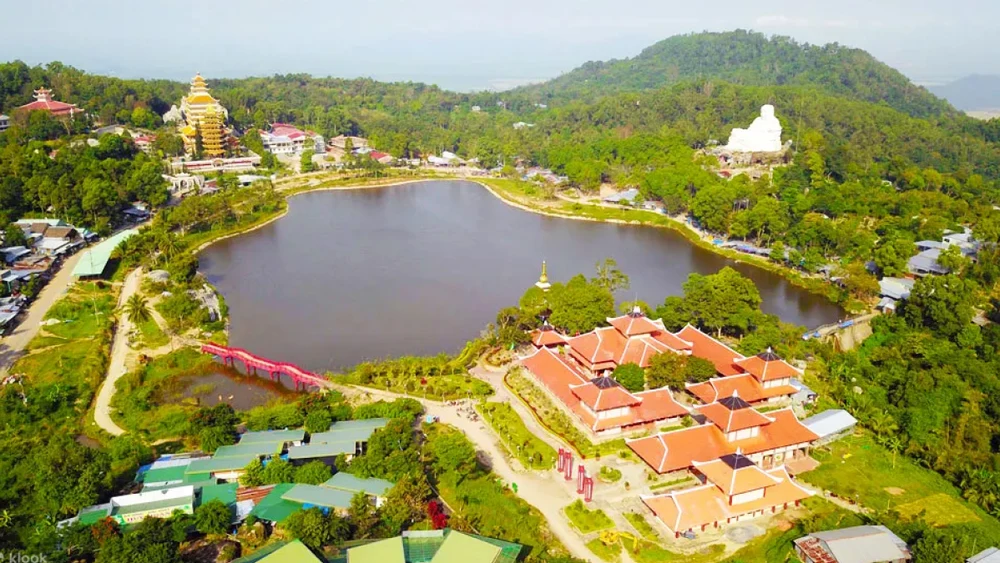
    Rising approximately 284 meters above the surrounding plains, Sam Mountain is one of Chau Doc’s most important cultural and spiritual destinations.

    What makes Sam Mountain particularly fascinating is the presence of nearly 200 temples, pagodas, shrines, and religious sites scattered from the foot of the mountain toward its summit. Together, they create a remarkable spiritual landscape featuring a variety of architectural styles.

    For local residents and Buddhist followers, Sam Mountain holds deep spiritual significance and is regarded as a sacred mountain associated with numerous important religious sites and traditions.

    Many visitors come here in search of peace, tranquility, and a moment of reflection away from the bustle of everyday life.

    Beyond exploring the temples and religious landmarks, you can also climb toward the mountain summit to enjoy panoramic views over the Mekong Delta. From above, the vast green countryside, rice fields, waterways, and distant villages create a peaceful landscape that captures the essence of southern Vietnam.

    2. Ba Chua Xu Temple – Chau Doc’s Spiritual Landmark

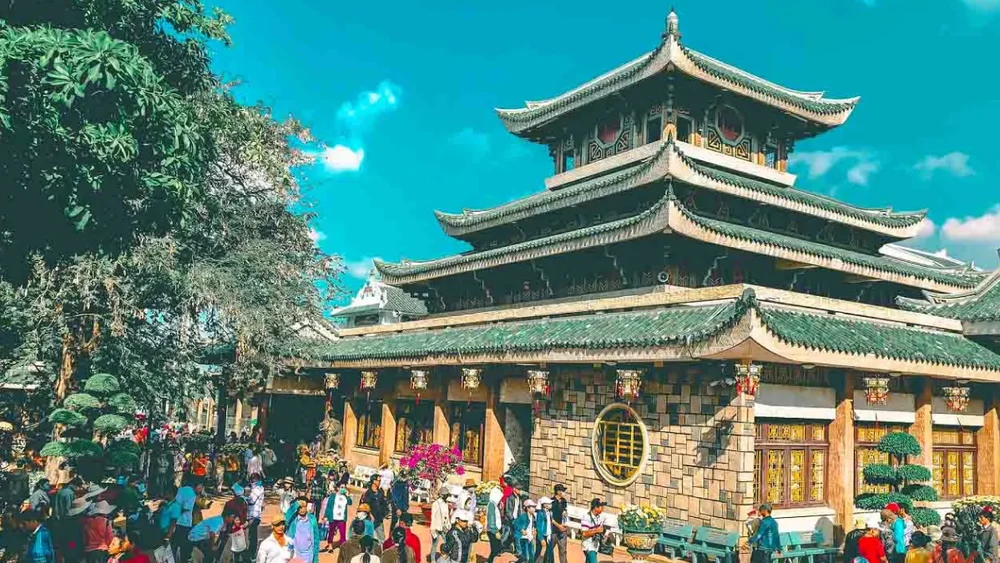
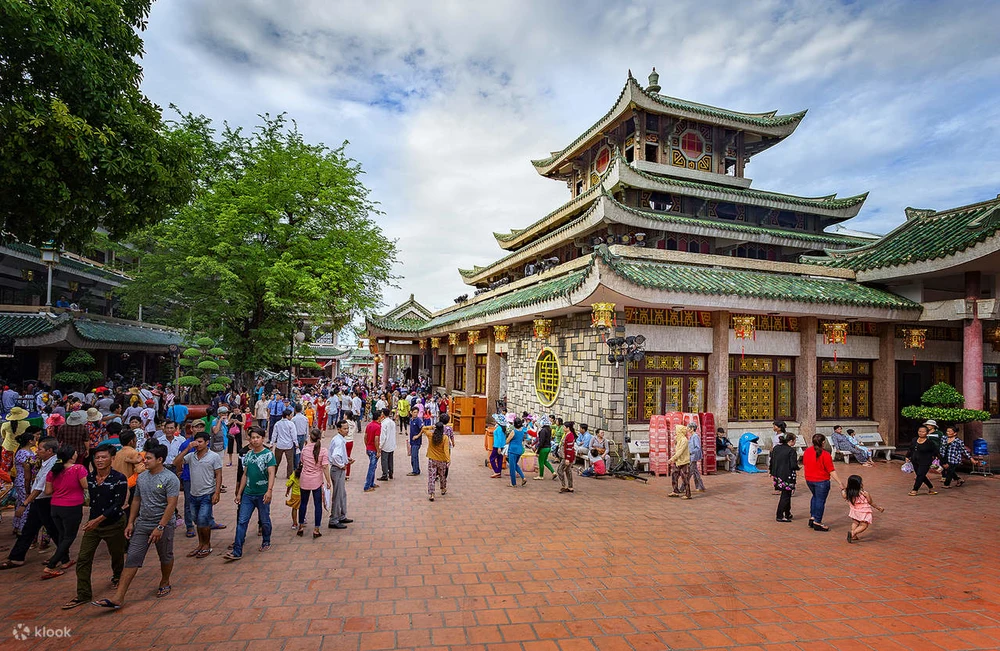
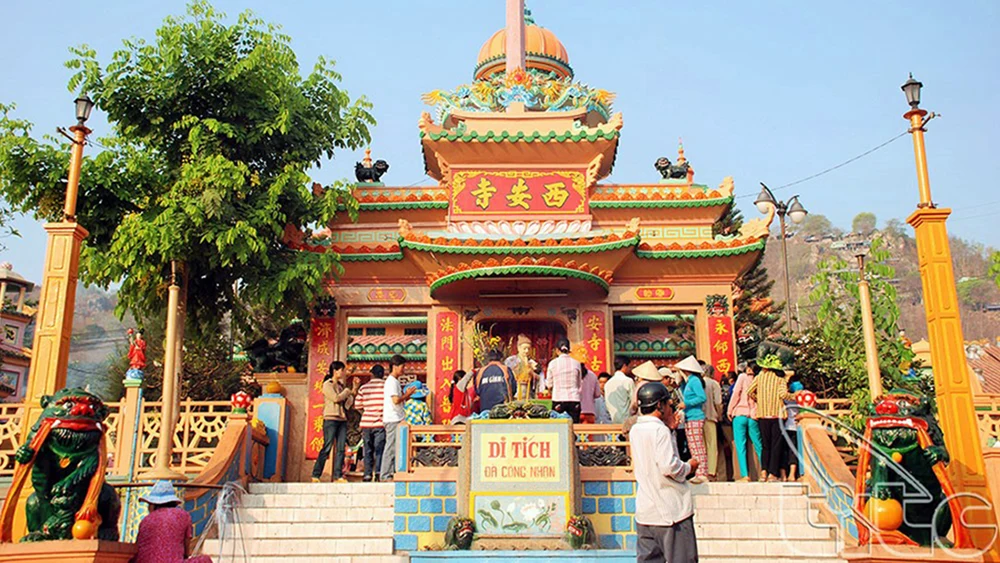
    Located at the foot of Sam Mountain, Ba Chua Xu Temple is one of Chau Doc’s most important spiritual landmarks and a major destination for both pilgrims and travelers.

    The temple is renowned for its distinctive architecture, featuring a layout inspired by the Vietnamese character “Quốc,” a lotus-shaped central structure, and a three-tiered roof covered with its characteristic blue tiles.

    Beyond its architectural beauty, Ba Chua Xu Temple holds deep spiritual significance. Worship of Ba Chua Xu is closely connected with the Vietnamese tradition of Mother Goddess worship and attracts the devotion of both local residents and visitors from across the country.

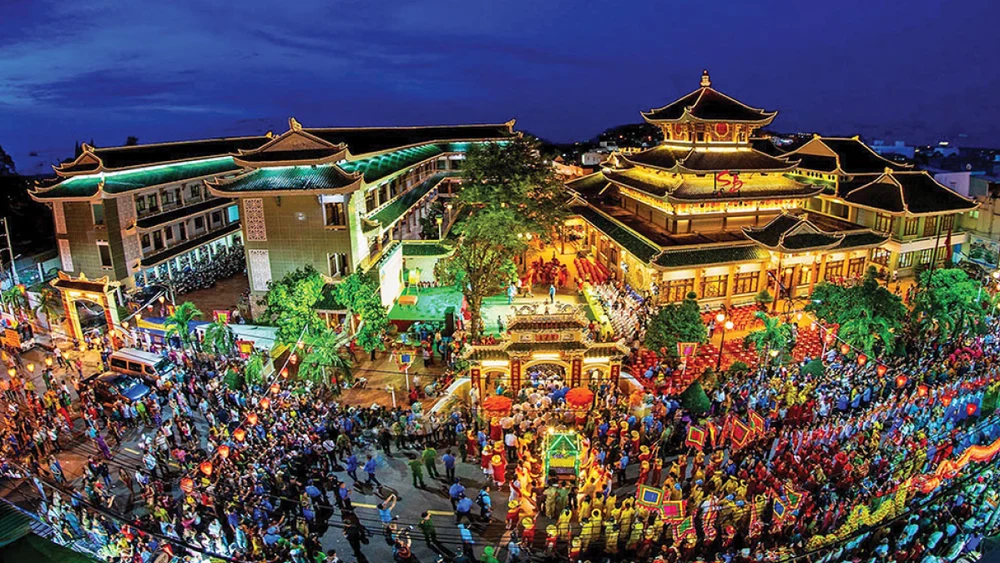
    Every year, the Ba Chua Xu Festival at Sam Mountain takes place from the 23rd to the 27th day of the fourth lunar month. During this important celebration, Chau Doc becomes filled with a solemn yet vibrant atmosphere as thousands of visitors gather to express their gratitude, pray for peace, and wish for good fortune.

    For travelers interested in Vietnamese spirituality and local traditions, visiting Ba Chua Xu Temple offers a fascinating glimpse into one of the most deeply rooted cultural practices in the Mekong Delta.

    3. Chau Doc Market – The “Mắm Capital” of the Mekong Delta

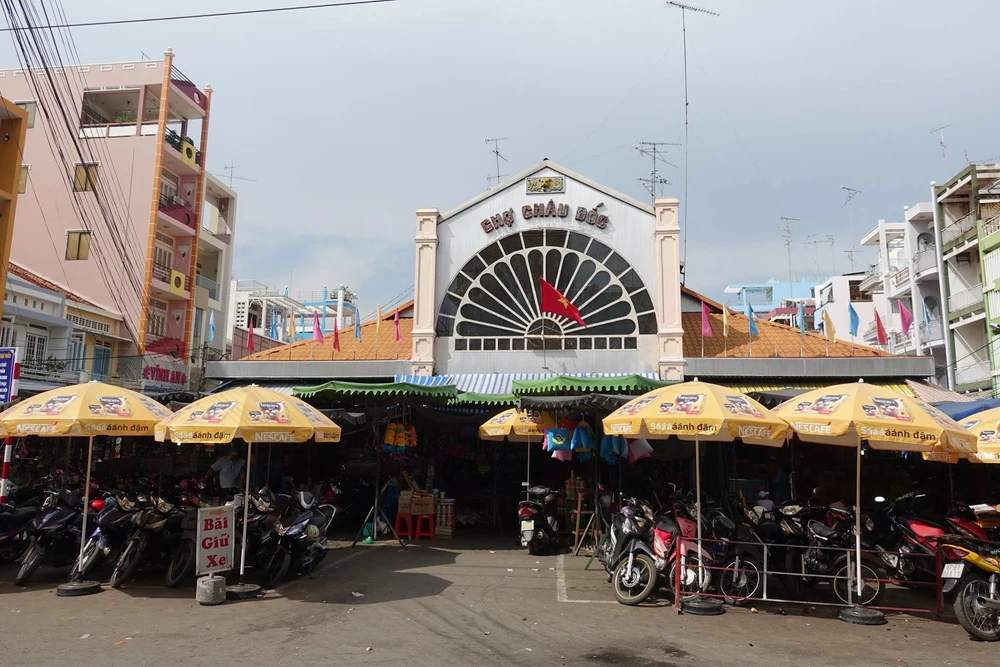
    Chau Doc Market, also widely known as the Mắm Market, is a famous traditional market located in the heart of Chau Doc City. With a history spanning more than 200 years, the market is much more than a place to buy and sell goods—it is an important part of the local culture and everyday life.

    The market opens early, usually from around 5:00 AM. As you wander through its lively stalls, you will find everything from fresh fruits and vegetables, clothing, household goods, and electronics to a fascinating selection of local specialties.

    Among them, mắm, or Vietnamese fermented fish paste, is undoubtedly the market’s most famous specialty. You can find many varieties, including fermented linh fish, chốt fish, snakehead fish, trèn fish, Thai-style fermented fish, and fermented ba khía crab.

    With its incredible variety of flavors and traditional production methods, Chau Doc’s mắm has become a distinctive local specialty and a source of pride for the people of the region.

    For food-loving travelers, a visit to Chau Doc Market is one of the best ways to experience the authentic flavors and vibrant everyday life of the Mekong Delta.

    4. Phuoc Dien Pagoda – Hang Pagoda

    Phuoc Dien Pagoda, better known as Hang Pagoda, is a unique Buddhist temple built on the slopes of Sam Mountain in Chau Doc.

    The temple is nestled against the mountainside and blends harmoniously with its natural surroundings. With a history of more than a century, Phuoc Dien Pagoda carries deep cultural and spiritual significance.

    Built across several levels, the pagoda features a distinctive and historic architectural style. Each level is carefully arranged according to principles of balance and harmony, creating an elegant and picturesque setting on the mountain.

    Beyond its architectural beauty, Hang Pagoda is known for its peaceful and sacred atmosphere. Surrounded by ancient structures and natural scenery, it offers a quiet place where visitors can slow down, reflect, pray, and find a sense of inner peace.

    5. Tay An Ancient Pagoda

    Built in 1820, Tay An Ancient Pagoda is a Northern Buddhist temple located in Chau Doc, An Giang. The temple is considered an architectural symbol of cultural exchange between Vietnam and India.

    Covering an area of more than 15,000 square meters, Tay An Ancient Pagoda is an impressive example of distinctive religious architecture. One of the most striking features within the complex is a group of three ancient towers, each topped with rounded, onion-shaped roofs painted in vivid yellow.

    The architecture displays strong Indian influences, with intricate decorative motifs and carefully crafted details creating a spiritual atmosphere unlike many other temples in the Mekong Delta.

    Beyond its architectural beauty, Tay An Ancient Pagoda is also a place where visitors can experience the cultural and spiritual traditions of the region. Take your time to explore the temple grounds, enjoy the peaceful surroundings, and immerse yourself in the quiet atmosphere of this historic religious site.

    6. Thoai Ngoc Hau Tomb

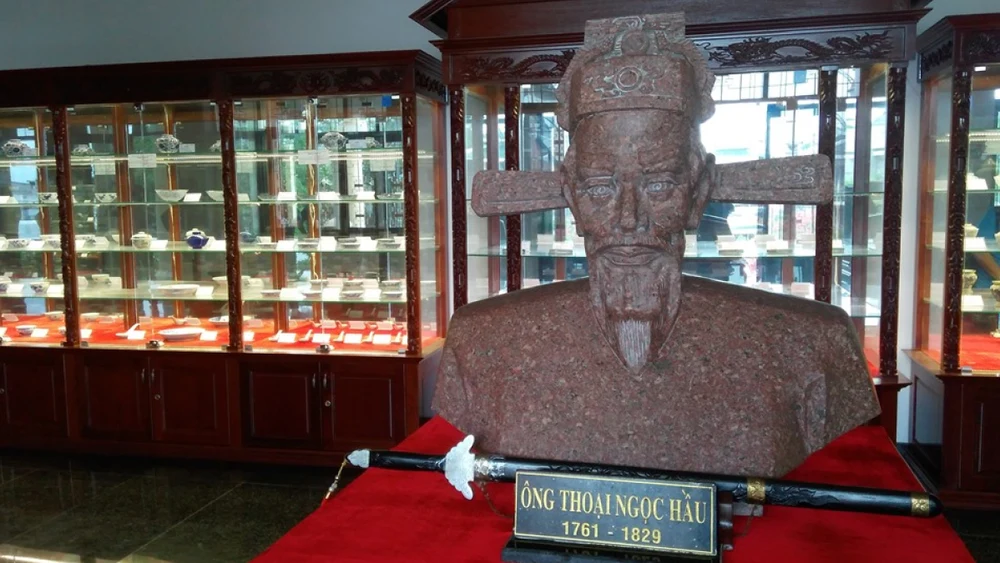
    Thoai Ngoc Hau Tomb, also known as Son Lang, is one of the most notable historical and architectural landmarks in Chau Doc, An Giang.

    Built in a traditional architectural style, the tomb complex has an impressive and dignified appearance. High surrounding walls enclose the site, creating a quiet and secluded atmosphere that sets it apart from the surrounding city.

    Inside the complex stands an intricately decorated temple featuring refined architectural details and traditional artistic craftsmanship. The temple has a grand and solemn appearance, with one of its most notable features being a carefully carved bust of Thoai Ngoc Hau, standing approximately two meters tall.

    The site offers visitors an opportunity to learn more about the history of Chau Doc while appreciating the traditional architecture and craftsmanship preserved within this historic complex.

    7. Chau Phu Communal House

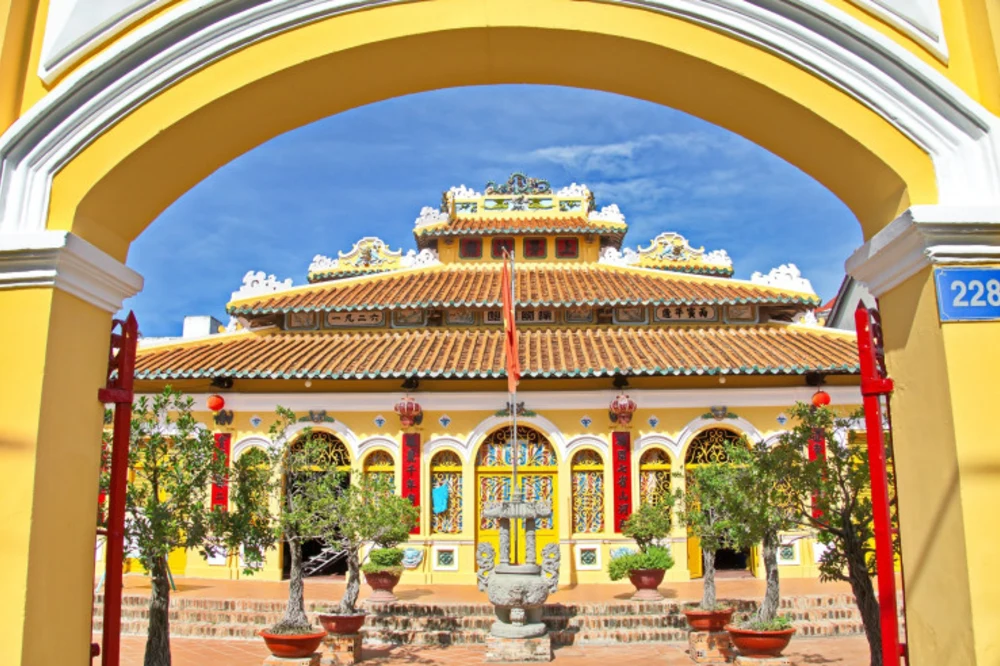
    Chau Phu Communal House is an important historical, cultural, and religious landmark that should not be missed when exploring Chau Doc, An Giang.

    Covering an area of approximately 240 square meters, the communal house attracts visitors with its traditional architecture and peaceful atmosphere.

    The building follows a traditional Vietnamese “tam” layout, featuring a multi-tiered roof and distinctive layered eaves. The roofs are covered with traditional tiles, while the courtyard is paved with decorative tiles. The walls were constructed using traditional brick and lime mortar, while the main columns are made from durable local hardwood.

    The communal house is surrounded by a sturdy protective wall. Inside the grounds, large old trees provide welcome shade and create a tranquil atmosphere.

    At the two corners of the courtyard are the Ngu Hanh Shrine and Son Quan Shrine, representing the local tradition of honoring and worshipping spiritual deities.

    The three-entrance gate is another architectural highlight, featuring three curved red-tiled roofs decorated with traditional dragon motifs.

    For travelers interested in traditional Vietnamese architecture and local spiritual culture, Chau Phu Communal House offers a fascinating glimpse into the heritage of the Mekong Delta.

    8. Basa Fish Monument

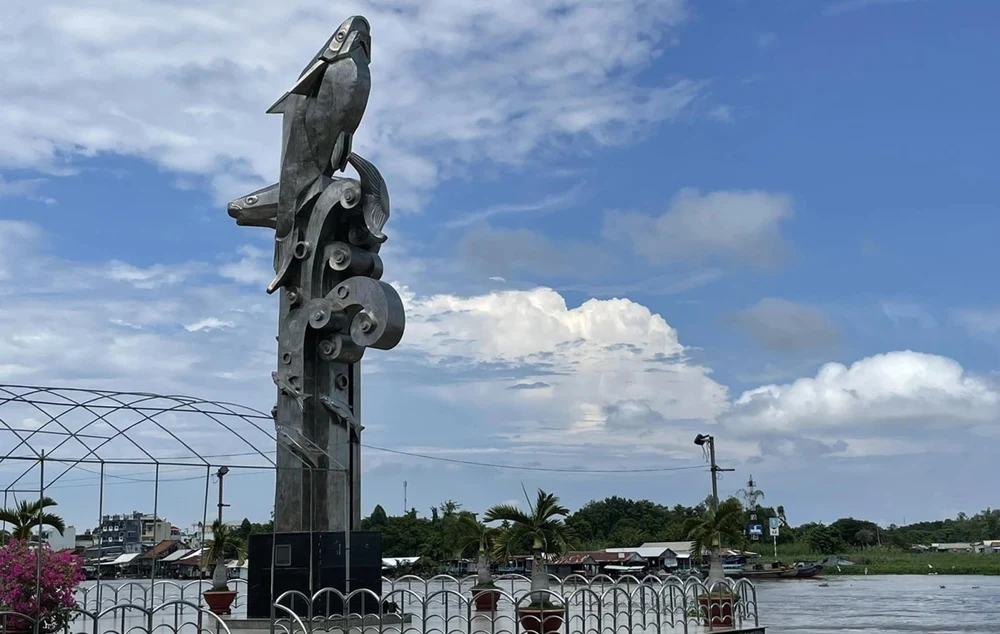
    The Basa Fish Monument is one of the more distinctive landmarks in Chau Doc, featuring a carefully crafted and lifelike representation of a large basa fish.

    The monument stands on a tall pedestal, creating an impressive silhouette that can be seen from a distance. Its bright and vibrant appearance symbolizes the vitality and prosperity of the region.

    The monument is more than just a piece of public art. It also represents the cultural and economic importance of basa fish farming, an industry that has long provided an important source of income for local communities in the Mekong Delta.

    Today, the Basa Fish Monument has become a popular stop for visitors, offering a unique photo opportunity and a memorable symbol of Chau Doc’s connection with the river and its fishing heritage.

    9. Tra Su Cajuput Forest – A Lush Wetland Escape in An Giang

    Although located in Tinh Bien, approximately 25 km from Chau Doc city center, Tra Su Cajuput Forest is a must-visit destination for anyone exploring Vietnam’s Mekong Delta. The journey takes around 40–50 minutes by motorbike or car, leading you to a vast green wetland with a distinctive ecosystem characteristic of the Seven Mountains region.

    Travel Guide to Chau Doc - An Giang

    The highlight of Tra Su is a boat trip through its winding waterways aboard a tac rang, a small motorized boat commonly used in the Mekong Delta. Glide gently across water covered with floating greenery, with rows of cajuput trees lining both banks and birdsong echoing through the forest. The peaceful atmosphere makes this an ideal escape from the busy pace of city life.

    Be sure to stop at the long wooden walkway that stretches through the forest for memorable photos, and climb the observation tower to enjoy panoramic views of the lush canopy from above.

    Another interesting fact is that Tra Su Cajuput Forest served as a major filming location for the Vietnamese movie Dat Rung Phuong Nam (Southern Land). Its pristine landscapes, romantic waterways, and distinctly Southern Vietnamese character helped create some of the film’s most evocative scenes.

    Famous Local Specialties in Chau Doc

    A trip to Chau Doc would not be complete without sampling its local cuisine and discovering the regional specialties that make this Mekong Delta city famous. From flavorful noodle soups to distinctive fermented fish products, here are some dishes and treats worth trying or taking home as souvenirs.

    Travel Guide to Chau Doc - An Giang

    Chau Doc Fish Noodle Soup (Bun Ca Chau Doc)

    One of Chau Doc’s signature dishes, bun ca features rice vermicelli served with fresh fish, a richly flavored broth, and fresh herbs and vegetables. Its distinctive taste reflects the culinary traditions of the Mekong Delta, making it a favorite among both locals and visitors.

    Seven-Style Beef at Sam Mountain (Bo Bay Mon Nui Sam)

    This local specialty features beef prepared in seven different styles, which may include hot pot, grilled beef, and stir-fried dishes. Each preparation offers its own unique flavors, creating a satisfying meal for anyone eager to explore the region’s cuisine.

    Chau Doc Siamese Sticky Rice (Xoi Xiem)

    A popular breakfast treat among locals, xoi xiem is made with glutinous rice and commonly served with rich coconut milk and mashed mung beans. Its soft texture and sweet, creamy flavor make it a delicious way to start the day.

    Palmyra Palm Fruit (Thot Not)

    Palmyra palm fruit is a well-known specialty of An Giang. The fruit has a brown outer skin and a thin yellowish layer beneath it, surrounding soft, smooth, white flesh with a refreshing, mildly sweet taste. Enjoy it fresh or look for local palmyra palm products to bring home as souvenirs.

    Fermented Fish Specialties (Mam)

    Chau Doc is widely known for its diverse range of fermented fish products, collectively called mam. Popular varieties include fermented linh fish, gourami fish, anchovies, and fermented ba khia crab. These products have distinctive flavors and play an important role in many traditional dishes across the Mekong Delta.

    If you plan to buy mam as a gift, choose a properly sealed product and check the packaging requirements before traveling internationally, particularly if you are carrying food across borders.

    Recommended Hotels and Guesthouses in Chau Doc, An Giang

    Travel Guide to Chau Doc - An Giang

    Planning an exciting trip to Chau Doc? Choosing comfortable accommodation can make your journey even more enjoyable. Here are five hotels and hostels to consider when arranging your stay.

    1. Hung Cuong Hotel
      Address: 96 Dong Da Street, Chau Doc City.
    2. Little Saigon Hostel
      Address: 190 Bo Tay, Hoang Dieu Street, Chau Doc City.
    3. Victoria Nui Sam Lodge
      Address: Vinh Dong 1, Chau Doc City.
    4. Victoria Chau Doc Hotel
      Address: 1 Le Loi Street, Chau Doc City.
    5. Dang Loi Hostel
      Address: 187 Nguyen Tri Phuong Street, Chau Doc City.

    Consider checking recent guest reviews, room availability, and current prices before booking, as accommodation details may change.

    Conclusion: Is Chau Doc, An Giang Worth Visiting?

    Absolutely! Chau Doc is an appealing destination where beautiful natural landscapes, fascinating historical landmarks, spiritual traditions, and distinctive Mekong Delta cuisine come together. From the sacred sites of Sam Mountain and the vibrant local market to the tranquil waterways of Tra Su Cajuput Forest, the city offers plenty of opportunities to experience a different side of Vietnam.

    Whether you are interested in cultural discovery, nature, local food, or a peaceful escape from the crowds, Chau Doc has something to offer. Make Chau Doc, An Giang a stop on your next journey through the Mekong Delta and discover the charm of Vietnam’s river country for yourself.

  • Top 10 Most Popular Tourist Destinations in Southern Vietnam

    Top 10 Most Popular Tourist Destinations in Southern Vietnam

    Best Places to Visit in Southern Vietnam

    Traveling through Southern Vietnam is a wonderful journey of discovery, offering the chance to experience breathtaking natural landscapes, diverse cultures, and a distinctive culinary heritage.

    Top 10 Most Popular Tourist Destinations in Southern Vietnam

    Southern Vietnam has long been a fascinating destination, bringing together a remarkable mix of cultural traditions, local cuisine, and natural scenery. From vast rice fields and winding rivers to white-sand beaches and lively urban streets, the southern region promises countless memorable experiences for travelers.

    Join us as we explore the beauty of Southern Vietnam through some of the destinations you should not miss.

    1. Kien Giang – Home to Countless Island Paradises

    One of the most attractive destinations in Southern Vietnam, Kien Giang feels like a harmonious blend of the sea, mountains, forests, and the distinctive rhythm of life in the Mekong Delta. Located in the southwesternmost part of Vietnam, the province borders the Gulf of Thailand and is home to pristine forests and unspoiled island groups.

    Kien Giang deserves to be called a true island paradise of Southeast Asia—not only because of its stunning scenery, but also because of the warm, simple, and genuine hospitality of its coastal communities.

    When talking about Kien Giang, it is almost impossible to overlook Phu Quoc, a tropical island paradise known for its crystal-clear turquoise waters, soft white-sand beaches, and an impressive range of experiences. You can relax on Sao Beach, go snorkeling around Gam Ghi Island, take a cable car ride across the sea, or spend a day exploring Vinpearl Safari and the dazzling Grand World after dark.

    Beyond Phu Quoc, Kien Giang is also home to Nam Du Islands and the Pirate Islands, both ideal for travelers seeking a more remote and less crowded island experience. If you are passionate about nature and ecotourism, head to U Minh Thuong National Park, where a unique wetland ecosystem remains remarkably well preserved.

    2. An Giang – The Seven Mountains and Authentic Mekong Delta Experiences

    Located in the Mekong Delta, An Giang showcases the peaceful beauty that makes Southern Vietnam so distinctive. Rivers, canals, and vast rice fields come together to create a lush and tranquil landscape. It is an ideal destination for travelers who want to experience the Mekong Delta in a way that feels both authentic and deeply connected to local culture.

    An Giang is particularly famous for its historic and sacred temples and pagodas, including Ba Chua Xu Temple, Tay An Ancient Temple, and Hang Pagoda. Beyond their spiritual significance, these sites also feature distinctive architecture and attract visitors from across Vietnam.

    📍 Discovery: Travel Guide to Chau Doc – An Giang: What to Do? What to Eat? (xem thêm…)

  • 20 Best Places to Visit in Sapa, Laocai, Vietnam

    20 Best Places to Visit in Sapa, Laocai, Vietnam

    20 Best Places to Visit in Sapa, Vietnam. Sapa has never lost its appeal among travelers. Whether you are visiting this enchanting mountain town for the first time or returning as a familiar face, it is almost impossible not to be captivated by its dramatic landscapes and ever-growing range of unique travel experiences.

    From breathtaking mountain viewpoints and misty valleys to peaceful ethnic villages and unforgettable photo spots, Sapa has something new to discover around every corner. Keep reading and add these fascinating destinations to your next Sapa adventure.

    1. Swing Sapa

    If you are looking for the ultimate Instagram-worthy spot in Sapa, Swing Sapa is the place to be. Located close to the town center, this popular attraction combines spectacular mountain views with a collection of creative photo spots designed to make your travel photos stand out.

    swing sapa

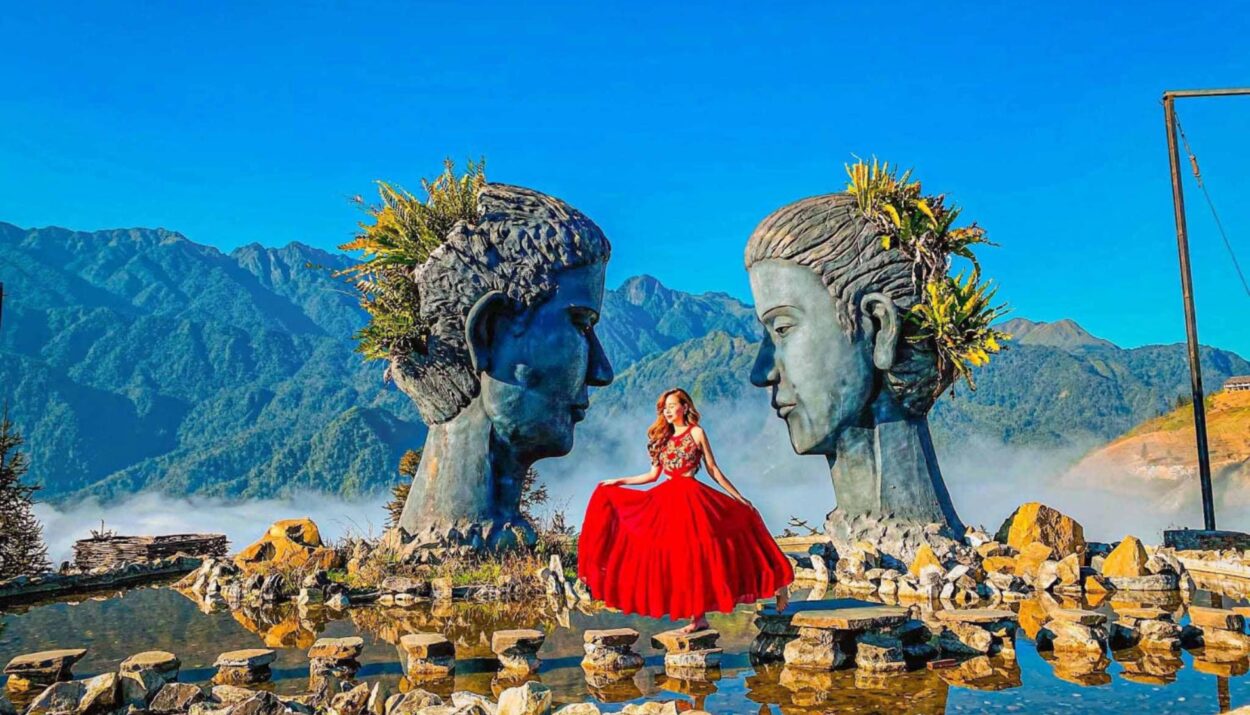
    Perched high above the town, Swing Sapa offers panoramic views toward the Hoang Lien Son mountain range and an impressive selection of photo-worthy installations. Among the most popular are the infinity swing, the Lonely Tree, the Silent Lovers statue, the giant floating hand, and the Stairway to Heaven.

    Once you have taken enough photos, find a comfortable spot, order a refreshing drink, and simply enjoy the magnificent scenery around you. The crisp mountain air, dramatic views, and lively music create the perfect atmosphere to leave your worries behind.

    If you are traveling with a friend who loves photography and Instagram-worthy destinations, Swing Sapa is definitely worth adding to your itinerary.

    Swing Sapa
    Address: Nguyen Chi Thanh Street, Sa Pa Town, Lao Cai
    Reference ticket price: From VND 80,000 per person

    2. Sun Plaza Sapa

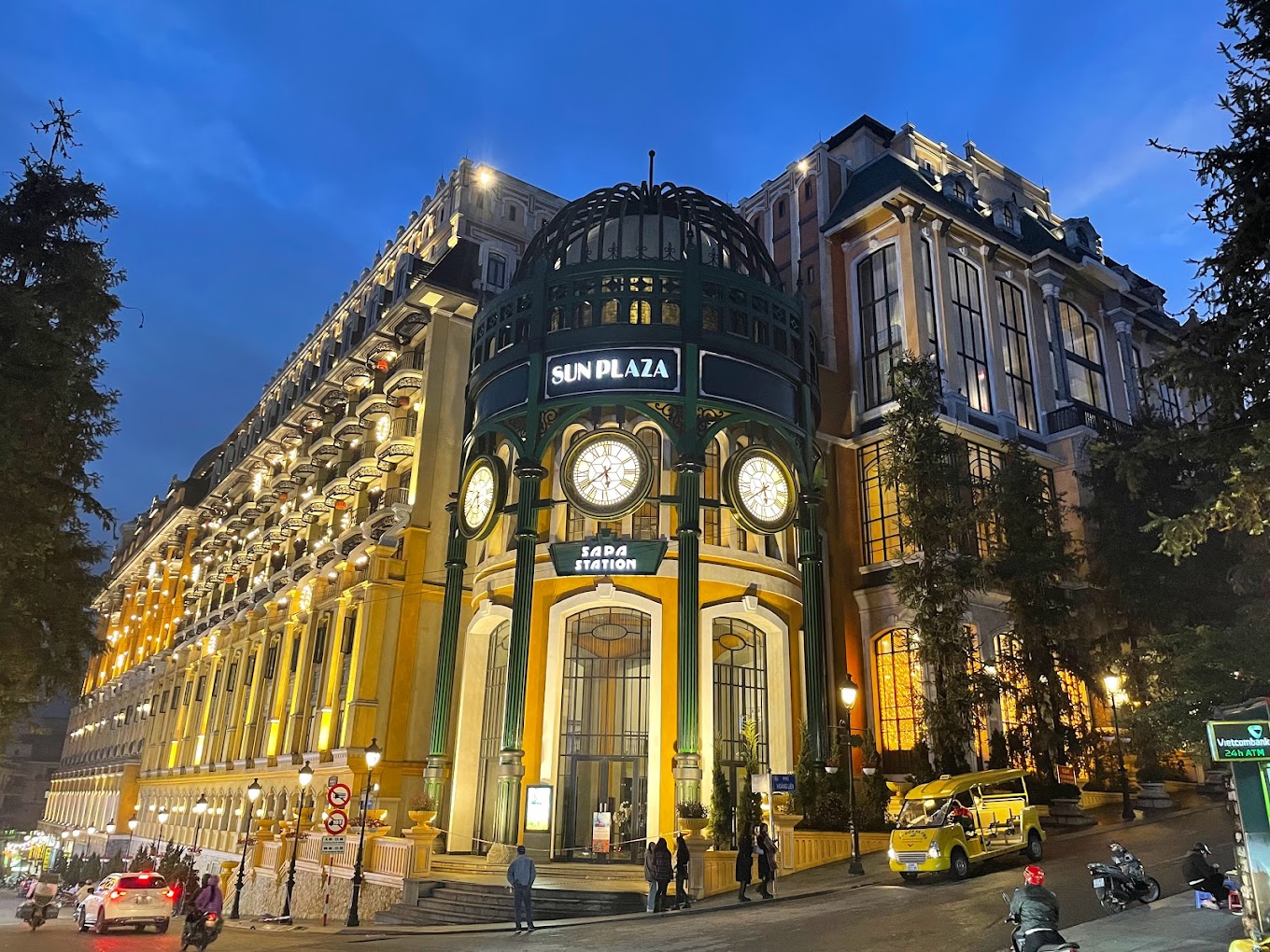
    Even if you are not a die-hard Sapa fan, you have probably seen the striking images of a colorful yellow-and-green clock tower appearing across Instagram and travel blogs. That iconic landmark is Sun Plaza Sapa.

    Located right in Sapa Square, Sun Plaza is a large entertainment and tourism complex combining shopping, restaurants, cafés, entertainment facilities, and accommodation. Its distinctive European-inspired architecture makes it one of the most recognizable landmarks in the town center.

    2-Sun Plaza Sapa

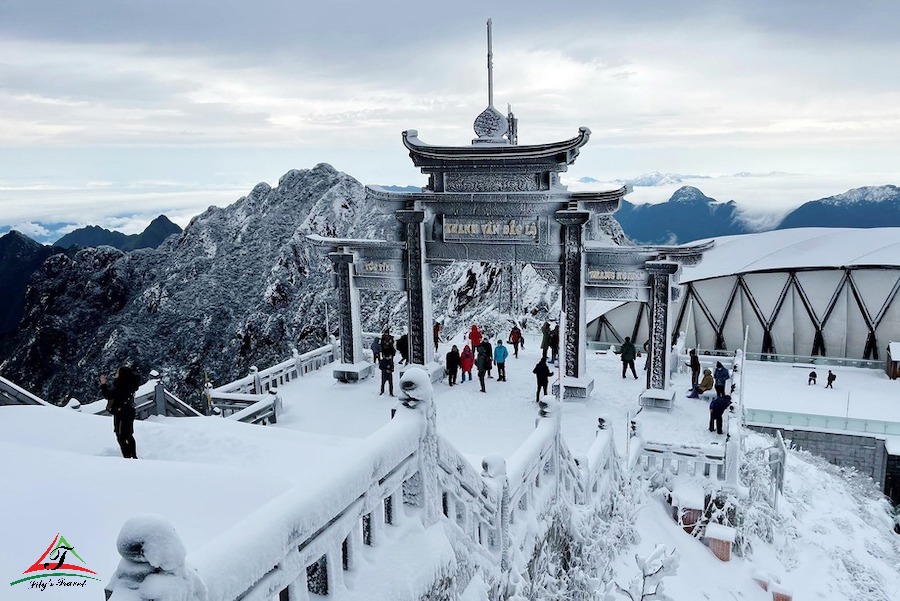
    But Sun Plaza is more than just a photogenic building. It is also the starting point for the Muong Hoa Mountain Railway, which takes visitors toward the Fansipan cable car system and begins the journey to the legendary “Roof of Indochina.”

    For many visitors, taking a photo in front of the impressive clock tower is almost an essential part of a trip to Sapa.

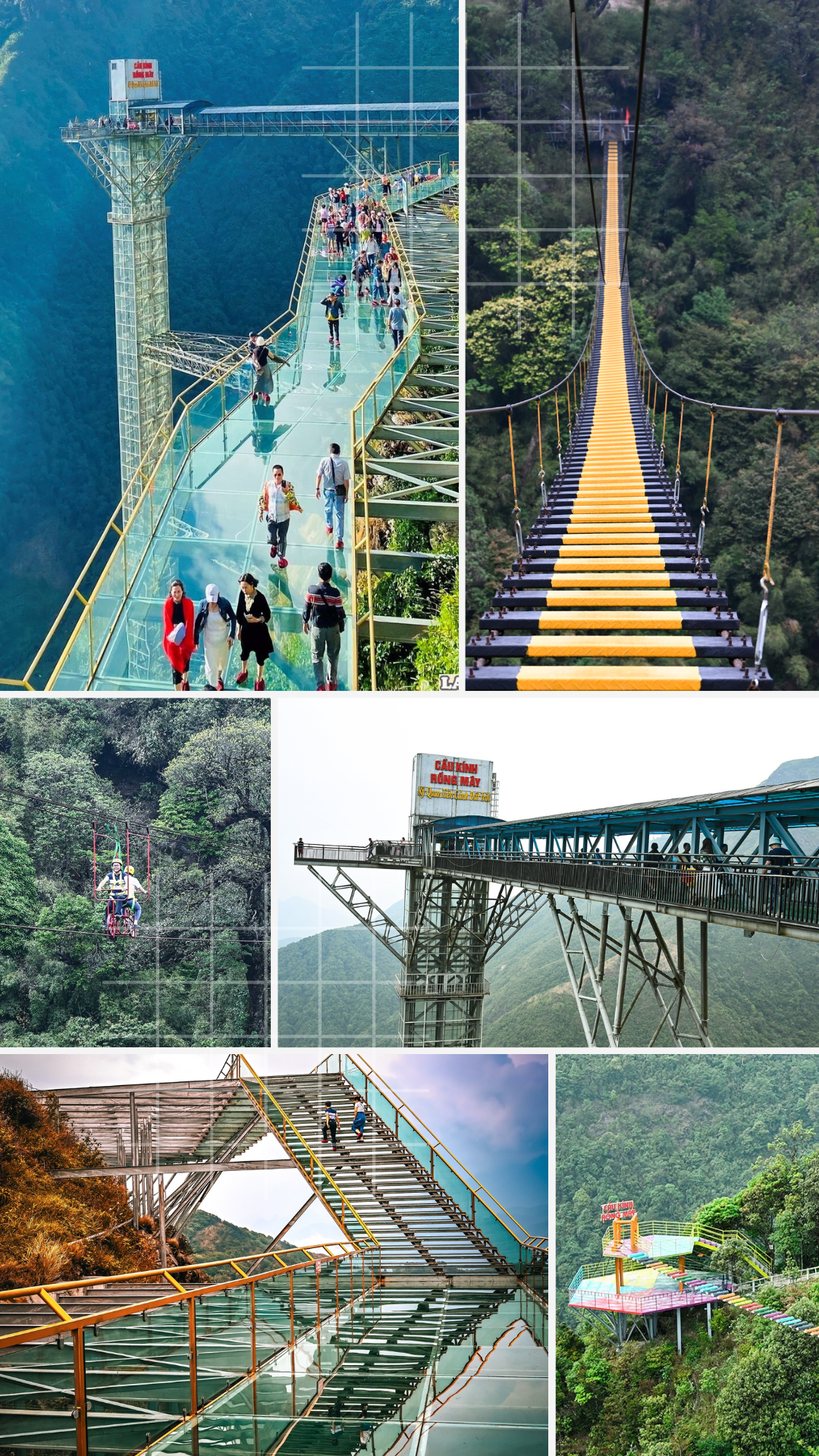
    3. Rong May Glass Bridge

    Located about 7 kilometers from Sun World Fansipan Legend and around 2 kilometers from Sapa’s mountain town area, the Rong May Glass Bridge offers a thrilling way to experience the spectacular Hoang Lien Son mountain range from above.

    3-Rong May Glass Bridge

    Situated on O Quy Ho Pass, one of Vietnam’s legendary mountain passes, the attraction sits at an elevation of approximately 2,200 meters above sea level.

    The glass walkway extends around 60 meters outward from the mountainside, creating the exhilarating sensation of literally walking in the sky.

    As you look through the transparent glass beneath your feet, the dramatic mountains and endless valleys stretch out far below. It is certainly not an experience for the faint-hearted — but for those brave enough to take the walk, the panoramic views and unforgettable photographs are more than worth it.

    Reference ticket price: From VND 150,000 per person

    4. O Quy Ho Pass

    As mentioned above, O Quy Ho Pass is the longest and one of the most spectacular of Vietnam’s famous “Four Great Mountain Passes.” The pass connects Lao Cai and Lai Chau provinces and cuts dramatically through the Hoang Lien Son mountain range.

    For travelers who love nature, road trips, and photography, O Quy Ho is essentially a treasure trove of unforgettable viewpoints and attractions.

    Along the route, you can discover Silver Waterfall, Love Waterfall, Sapa Heaven’s Gate, Rong May Glass Bridge, as well as numerous scenic cafés and charming mountain homestays.

    Yet one of the greatest pleasures is simply stopping along the pass and watching the landscape change beneath the shifting mountain light. From the summit, roughly 15 kilometers from Sapa town, you can admire layer upon layer of mountains, valleys, forests, and clouds stretching toward the horizon.

    The journey itself is part of the experience.

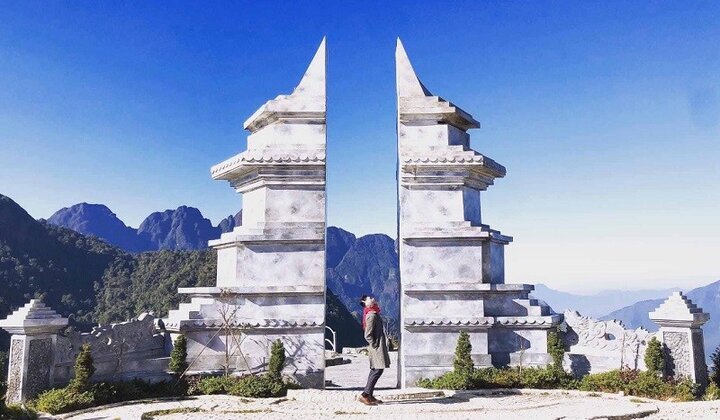
    5. Sapa Heaven’s Gate

    On your journey along O Quy Ho Pass, you will eventually reach Sapa Heaven’s Gate, one of the region’s most famous scenic viewpoints. The drive takes approximately 30–35 minutes from central Sapa, depending on road and traffic conditions.

    5-Sapa Heaven’s Gate

    From this spectacular vantage point, winding mountain roads appear to weave through endless layers of hills and valleys, creating striking patterns across the landscape.

    On clear days, the panoramic views are breathtaking. On misty days, clouds drift across the mountains, creating an entirely different atmosphere — mysterious, dreamlike, and distinctly Sapa.

    For the best seasonal scenery, consider visiting during the following periods:

    • Flower season: December–January and February–April
    • Young rice season: May–July
    • Rice harvest season: August–November
    • Cloud-hunting season: November

    Each season brings a different side of Sapa, making Heaven’s Gate worth visiting more than once if you have the opportunity.

    6. Hau Thao, Sapa, Vietnam

    Less famous than Cat Cat Village and less frequently included in trekking itineraries than Ta Phin or Lao Chai, Hau Thao offers a much quieter and more authentic side of Sapa.

    The area is home to the Hmong ethnic community and is often described as one of the places where visitors can still experience the original, unspoiled character of Sapa.

    Hau Thao sits on a peaceful plateau beside a stream, surrounded by mountains, bamboo forests, terraced rice fields, and lush countryside. There are no grand attractions here — and that is precisely the charm.

    To reach Hau Thao, travelers can trek or ride a motorbike along a scenic route from central Sapa through Y Linh Ho, Lao Chai San, Ta Van, the Bamboo Forest, Su Pan, and finally Hau Thao.

    For travelers seeking peace, fresh mountain air, and an opportunity to escape the crowds, Hau Thao is an ideal place to slow down and reconnect with nature.

    7. Sau Chua Village, Sapa, Vietnam

    Some travelers worry that Sapa is gradually losing its original charm as more tourism-related developments appear across the region. But a visit to Sau Chua Village may completely change that perception.

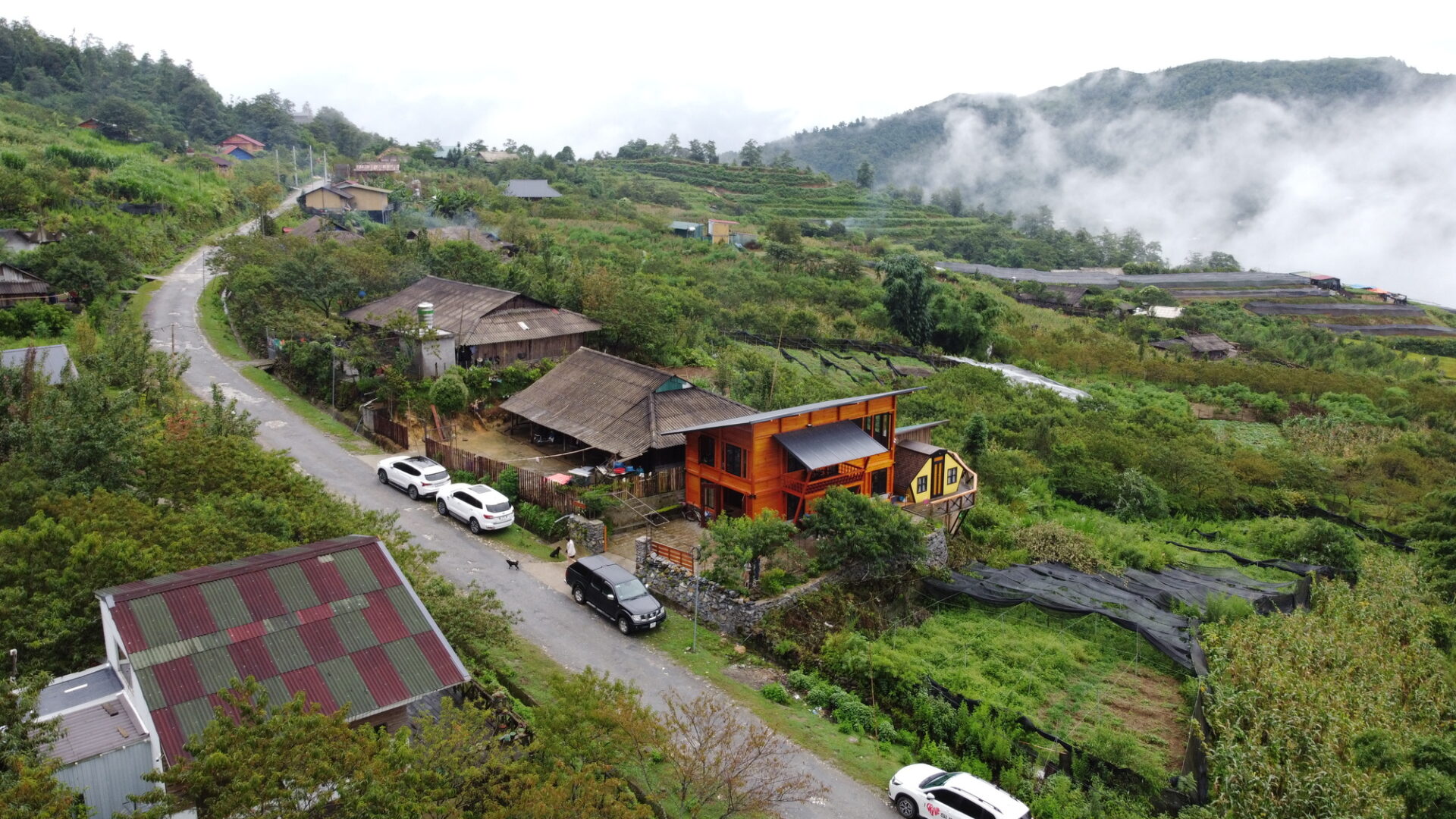
    Located in Sa Pa Ward, at the gateway to Sapa, Sau Chua is a peaceful Hmong village surrounded by mountains and natural landscapes. It offers a quieter alternative to some of Sapa’s more heavily visited attractions.

    DCIM100MEDIADJI_0536.JPG

    The village sits at an elevation of more than 200 meters above the town center, giving it a cool climate throughout much of the year. During winter and early spring, the village is often covered in mist, and snowfall can occasionally transform the landscape into a magical winter scene.

    One of the most enjoyable experiences here is simply spending time with friends around a barbecue fire while watching the sun slowly disappear into a sea of clouds.

    As the sky turns golden and the mountain landscape fades into the mist, Sau Chua reveals a quieter, more intimate side of Sapa — one that is perfect for travelers looking to escape the crowds and experience the mountain atmosphere at a slower pace.

    8. Nam Cang Village – Sapa

    Alongside Ta Phin Village and Muong Hoa Valley, Nam Cang Village is another wonderful destination for discovering Sapa’s spectacular terraced rice fields and untouched mountain scenery.

    Located at the easternmost edge of Sapa District, approximately 30 kilometers from the town center, Nam Cang lies within the Hoang Lien Son National Park. Thanks to its pristine surroundings, the area is home to a remarkably rich ecosystem of forests, streams, plants, and wildlife.

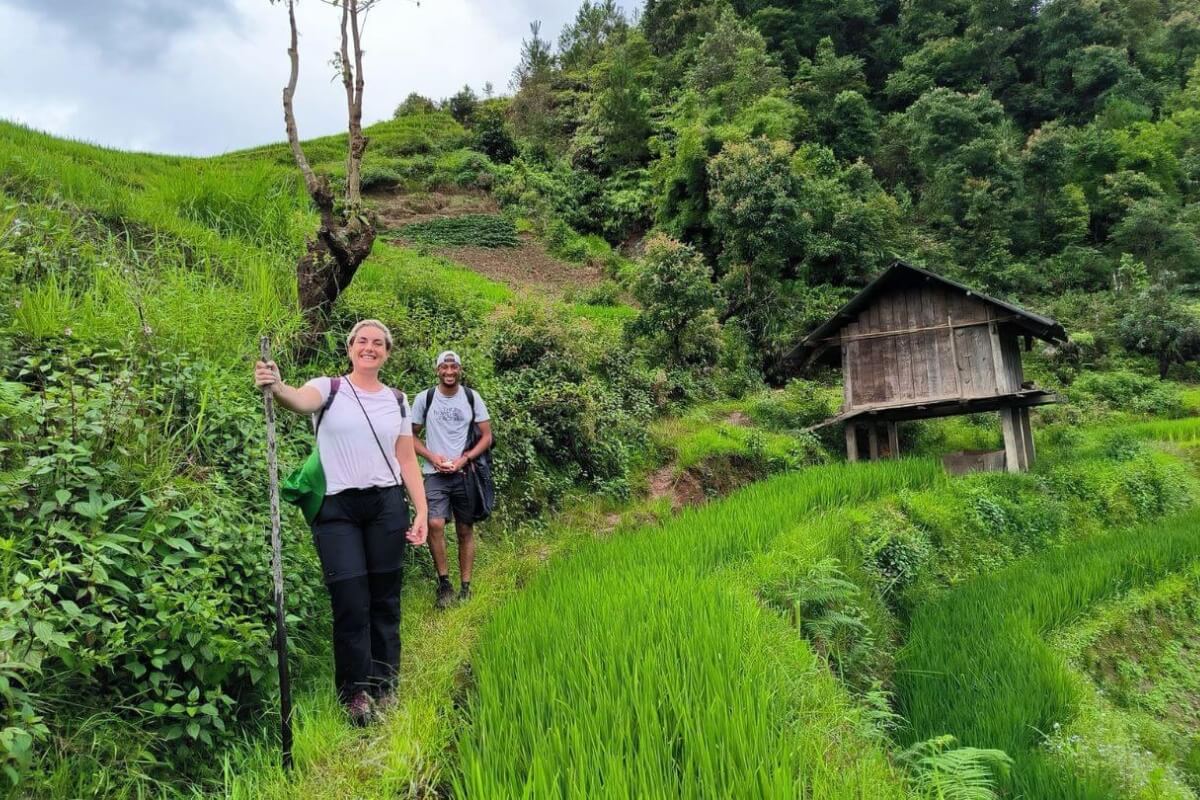
    Trekking through Nam Cang is an adventure in itself. Along the way, you can discover beautiful mountain streams and caves, cross rustic wooden bridges, and explore the peaceful countryside far from the crowds.

    Although Nam Cang is not yet as famous as some of Sapa’s other attractions, its traditional character is precisely what makes it so appealing. The village offers a fascinating blend of Dao and Hmong cultures, surrounded by dramatic mountains and lush landscapes.

    For travelers looking for an authentic and peaceful side of Sapa, Nam Cang is a destination well worth discovering.

    9. Ma Tra Village

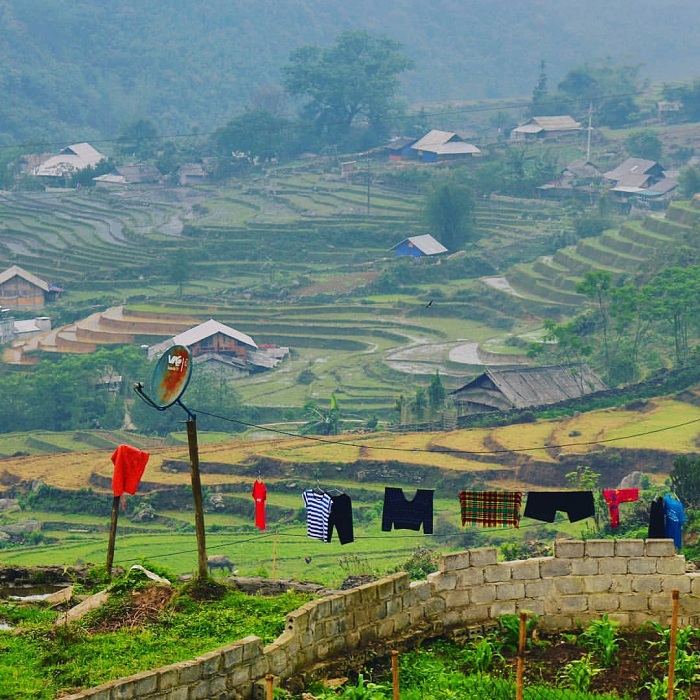
    Located approximately 5 kilometers from Sapa town toward Lao Cai, Ma Tra Village is home to the Hmong ethnic community and is known for its beautiful landscapes and peaceful rural atmosphere.

    sapa-tour-3-days-2-nights-overnight-in-hotel

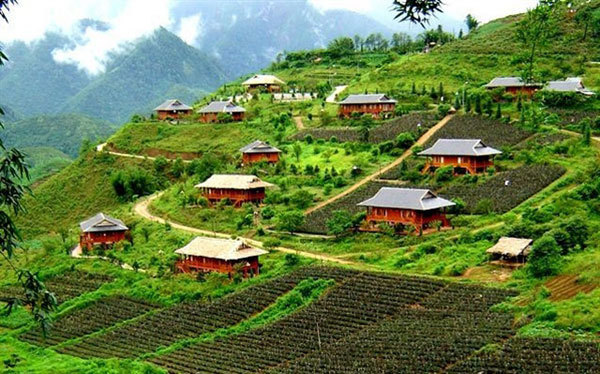
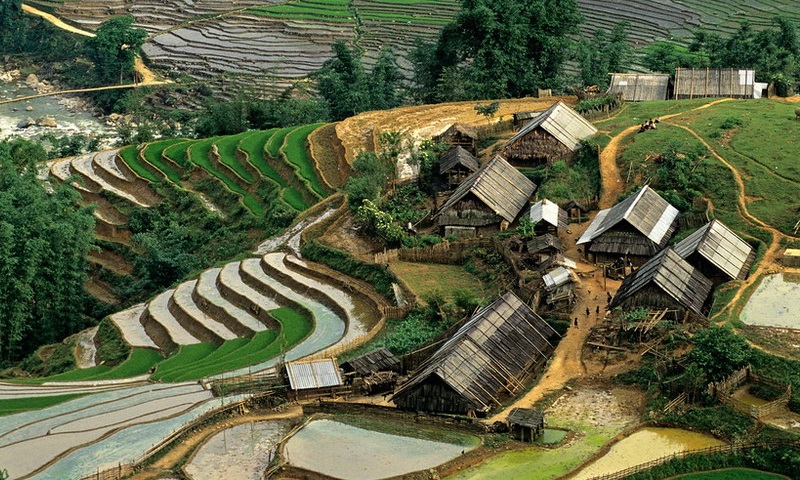
    Seen from above, Ma Tra looks like a colorful landscape painting. Green terraced rice fields stretch across the hills, while simple traditional houses with rustic roofs are scattered among the surrounding countryside.

    The village is also known for its strawberry gardens, where visitors can find plump, fragrant, and naturally sweet strawberries, particularly during the early months of the year.

    A visit to Ma Tra offers a chance to slow down, admire the mountain scenery, and experience a quieter side of Sapa away from the busiest tourist areas.

    10. Ta Phin Village

    From Ma Tra Village, a roughly 7-kilometer walk will take you to Ta Phin Village, a peaceful mountain community famous for its warm and welcoming Red Dao people.

    The cultural identity of Ta Phin comes to life through traditional performances and local activities, including the Bai Tram dance, bell dancing, traditional games, and folk courtship songs.

    Beyond its cultural experiences, Ta Phin is also a wonderful place to immerse yourself in the dramatic landscapes of Vietnam’s Northwest mountains.

    Take time to explore Ta Phin Cave, admire the endless rice fields, or simply listen to the sound of streams flowing through the village and surrounding countryside.

    The combination of traditional culture, mountain scenery, and peaceful village life makes Ta Phin one of the most rewarding destinations around Sapa.

    11. Ta Van Village

    It would be hard to overstate the appeal of Ta Van Village, one of the most beautifully situated destinations in the Sapa region.

    Facing the winding landscapes of Muong Hoa Valley and backed by the majestic Hoang Lien Son mountain range, Ta Van offers a perfect introduction to the soul of Vietnam’s Northwest highlands.

    The name “Ta Van” is traditionally interpreted as meaning “large arc,” a description that seems fitting for the graceful curves of the surrounding mountains and valleys.

    Unlike some of Sapa’s busier attractions, Ta Van retains a relaxed and welcoming atmosphere. The village is home to Hmong, Red Dao, and Giay communities, who warmly welcome visitors with fresh local produce, fragrant corn wine, and fascinating stories about life in the highlands.

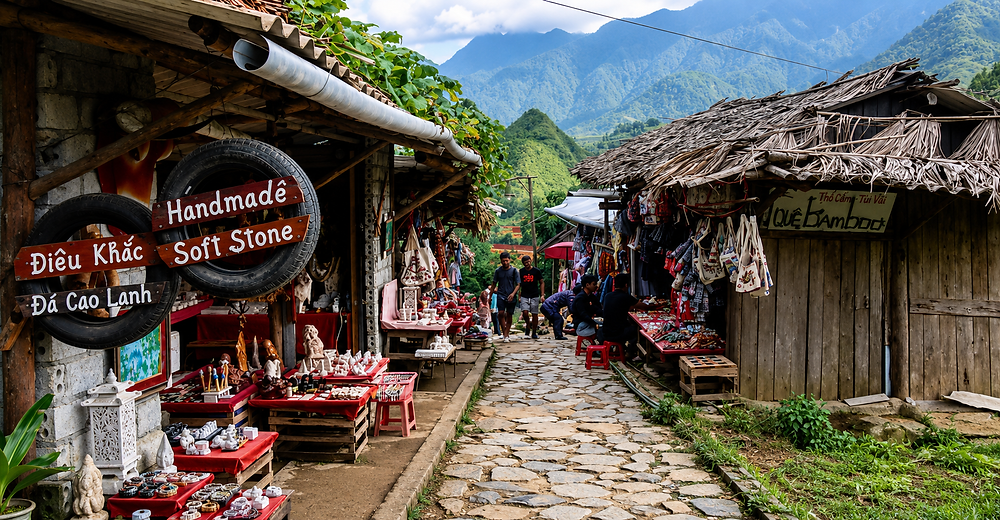
    Before leaving, be sure to browse the village’s handmade crafts. Traditional textiles, embroidery, and other locally made products make wonderful souvenirs and lasting reminders of your journey through Sapa.

    12. Lao Chai Village

    Nestled deep within Muong Hoa Valley, Lao Chai Village is affectionately known by many travelers as the “muse of the Northwest.”

    The best times to visit are generally April to June, when the terraced fields are filled with water and reflect the sky like giant mirrors, or September to October, when the rice fields turn golden during harvest season.

    Toward the end of the year, Lao Chai transforms into a breathtaking landscape of golden rice terraces surrounded by layers of mountains.

    When white mist drifts through the valleys and settles over the hills, the combination of golden fields, rugged mountains, and clouds creates an almost dreamlike scene — one that feels more like a painting than reality.

    For photographers and nature lovers, Lao Chai is one of the most rewarding places to experience the changing seasons of Sapa.

    13. Cat Cat Village

    Cat Cat Village is a dream destination for anyone who loves photography, traditional culture, and picturesque mountain landscapes.

    This small Hmong village is packed with photogenic corners from beginning to end. One of its most beautiful areas is the Cat Cat Waterfall and stream, where giant traditional water wheels stand beside simple wooden houses surrounded by wildflowers and lush vegetation.

    With its nostalgic atmosphere and rustic architecture, Cat Cat has a timeless beauty that can rival some of the world’s most famous old towns.

    But the village offers more than beautiful photographs. Visitors can gain a closer look at the daily life of the local Hmong community and discover traditional objects and tools once commonly used in the Northwest highlands, including rice mills, traditional lanterns, and equipment used for weaving hemp fabric.

    For an even more memorable experience, rent a traditional ethnic costume and explore the village dressed in colorful local clothing. It is a fun way to immerse yourself in the culture while capturing some unforgettable travel photos.

    14. Sin Chai Village

    Nestled at the foot of the Hoang Lien Son mountain range for more than a century, Sin Chai Village, also known as Xin Chai, is a peaceful destination that continues to captivate visitors with its untouched beauty.

    May and June are among the best times to visit. During this period, water begins flowing down from the high mountains and makes its way into the newly planted terraced rice fields. Under the warm golden sunlight, the flooded terraces reflect the sky like enormous natural mirrors.

    The normally tranquil landscape becomes remarkably vibrant, with water, mountains, clouds, and young rice fields creating a spectacular seasonal panorama.

    If you want to photograph the valley covered in golden rice, plan your visit for September or October, when the terraces reach harvest season.

    Another interesting fact about Sin Chai is that it is considered the largest village in Sapa by area and is primarily home to the local Hmong community.

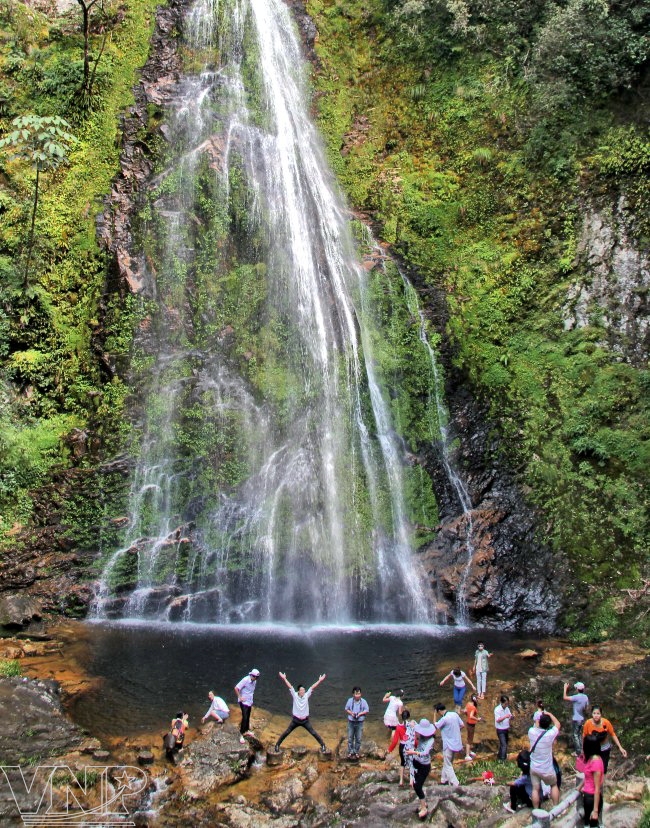
    15. Silver Waterfall

    Originating from the upper reaches of the Muong Hoa stream, Silver Waterfall is one of Sapa’s most famous natural attractions.

    Standing approximately 200 meters high, the waterfall cascades dramatically down the mountainside and is located along National Highway 4D, around 12 kilometers from Sapa town. It can be easily reached by motorbike or private car.
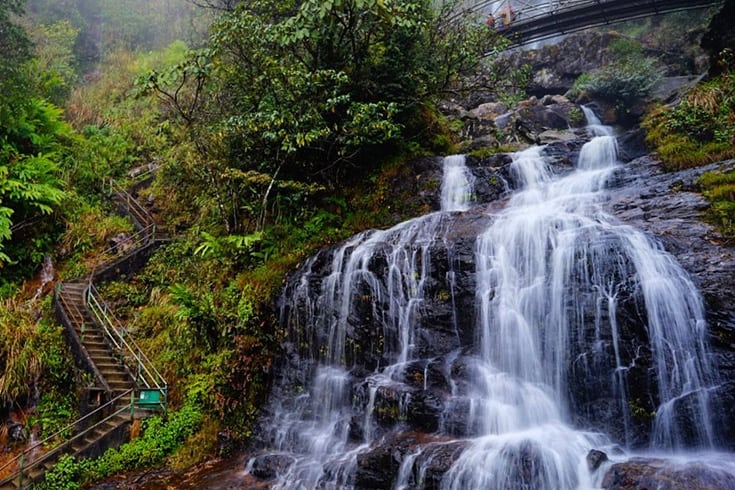
    From a distance, Silver Waterfall resembles a long ribbon of white silk scattered with sparkling droplets, flowing down from the mountains and standing out dramatically against the deep green pine forests.

    As you approach the waterfall, the roar of rushing water gradually replaces the sounds of traffic and everyday life. Take a moment to stand among the trees, listen to the flowing stream, and breathe in the crisp mountain air.

    It is the kind of place where the pace of life seems to slow down — allowing you to simply enjoy the soothing power of nature.

    16. Love Waterfall Sapa

    With such a romantic name, few people would expect the legend behind Love Waterfall to be a touching love story filled with tears between a woodcutter named O Quy Ho and a beautiful fairy.

    The journey to Love Waterfall takes you along a scenic 300-meter trail beside the Golden Stream. Along the way, you will be surrounded by lush vegetation, colorful rhododendron flowers, and a diverse range of plants and wildlife.

    The peaceful setting and romantic legend make Love Waterfall one of the most memorable natural attractions to visit around Sapa.

    17. Ham Rong Mountain, Sapa

    If you’re wondering where to go in Sapa, Ham Rong Mountain is an excellent choice. This ecological tourism area covers approximately 148 hectares, with its highest point reaching around 1,800 meters above sea level.

    The trek to the summit takes about an hour and is considered moderately challenging. Most of the route has been developed with stone steps, making the climb relatively accessible for visitors.

    Along the way, you can explore several well-known Sapa attractions, including Heaven’s Gate, Cloud Yard, Ham Rong Flower Garden, and the Telecommunications Station before reaching the mountain summit.

    Ham Rong Mountain offers a harmonious combination of wild natural landscapes and carefully designed gardens and viewpoints. The result is a fascinating setting that feels both majestic and untouched, while retaining a distinctly romantic atmosphere.

    18. Sun World Fansipan Legend Sapa

    One of Sapa’s most beloved attractions, Sun World Fansipan Legend has never lost its sense of wonder. Located around 3,143 meters above sea level, the landscape here can change dramatically throughout the day. One moment, the mountain may be shrouded in mysterious white clouds and mist; moments later, it can become bright and crystal clear under the sunlight.

    A visit to Sun World Fansipan Legend also gives you the chance to experience the cable car system that once simultaneously held three world records for being among the highest, longest, and most modern cable car systems in the world.

    There is much more to discover, from riding a mountain railway through fields of flowers and enjoying a coffee beneath the highest flagpole in Indochina to visiting one of Vietnam’s largest high-altitude spiritual complexes.

    For many travelers, the combination of spectacular mountain scenery, unique transportation experiences, and cultural attractions makes Sun World Fansipan Legend a highlight of any Sapa itinerary.

    19. Bac Ha Market, Lao Cai

    Bac Ha Market is located in the center of Bac Ha Town in Lao Cai Province and is one of the most vibrant traditional markets in the mountainous Northwest of Vietnam.

    The market is divided into several sections, with different areas dedicated to different types of goods. The central section features local agricultural products, fresh food, household items, and everyday necessities.

    On the eastern side, you will find colorful fabrics and traditional clothing made by various ethnic minority communities. The western section focuses on handicrafts, handmade products, and souvenirs.

    Bac Ha Market takes place every Sunday and attracts thousands of local residents and visitors. Beyond shopping, it is a fascinating place to experience the daily life, traditions, colors, and cultural diversity of the ethnic communities living in northern Vietnam.

    20. Ban Pho Village, Lao Cai

    Ban Pho Village is a highland commune in Bac Ha District, Lao Cai Province, located approximately 4 kilometers from Bac Ha Town. It is one of the best-known traditional villages in Vietnam’s Northwest.

    The village has a long history and is home to the Hmong people, whose distinctive cultural traditions have been preserved and passed down through generations.

    One of the most remarkable aspects of Hmong culture in Ban Pho is traditional embroidery. Local artisans are known for their intricate embroidery techniques, which can be seen on traditional clothing, scarves, and other handmade textiles. These beautifully crafted products are highly appreciated and are sold in many parts of Vietnam.

    The Hmong people of Ban Pho also have unique traditional dances, which are often performed during festivals and important cultural celebrations. These performances reflect the rich identity and heritage of the Hmong community.

    A visit to Ban Pho Village offers more than beautiful mountain scenery. It is also an opportunity to experience the traditional lifestyle, craftsmanship, festivals, and cultural heritage of one of the most fascinating ethnic communities in northern Vietnam.

  • Top 15 most beautiful tourist destinations in Central Vietnam

    Top 15 most beautiful tourist destinations in Central Vietnam

    Join amazingtravelvietnam.com/ as we explore 15 of the most beautiful destinations in Central Vietnam — a fascinating region where centuries of history meet spectacular natural wonders, rich cultural heritage, and pristine beaches.

    From charming ancient towns and world-class caves to breathtaking mountain resorts, Central Vietnam offers an incredible variety of experiences for travelers looking to discover a different side of the country.

    1. Ba Na Hills – A Little Slice of Europe in Da Nang

    Ba Na Hills is more than just a world-class mountain resort. It has become one of the most recognizable symbols of tourism in Da Nang and one of the must-visit destinations in Central Vietnam.

    Located on Chua Mountain at an elevation of 1,487 meters, around 40 km from central Da Nang, Ba Na Hills enjoys a cool climate throughout much of the year. One of its most fascinating characteristics is the possibility of experiencing what feels like four seasons in a single day.

    Top 15 most beautiful tourist destinations in Central Vietnam

    👍 Highlights You Shouldn’t Miss

    Golden Bridge – Perhaps the most iconic attraction at Ba Na Hills, the Golden Bridge is famous around the world for its spectacular design, with two enormous stone-colored hands seemingly lifting the bridge above the mountainside. Walking across the bridge offers breathtaking panoramic views and countless opportunities for unforgettable photographs.

    French Village – Step into a miniature European town high in the mountains. Inspired by classic French architecture, the area features Gothic-style buildings, a church, charming squares, fountains, and cafés that evoke the atmosphere of Paris.

    Fantasy Park – One of Vietnam’s largest indoor amusement parks, Fantasy Park features a wide range of attractions, including thrilling rides, a 4D cinema, and a wax museum. It is particularly popular with families and younger travelers.

    Linh Ung Pagoda and Le Jardin D’Amour – For a more peaceful experience, head to Linh Ung Pagoda and the beautiful Le Jardin D’Amour flower gardens. From the mountain, visitors can also enjoy spectacular views across Da Nang.

    👍 Ba Na Hills Travel Tips

    Best time to visit: March to September, when the weather is generally sunnier with less rainfall.

    Getting there: Visitors can travel by taxi, motorbike, or book a package tour from Da Nang.

    Cable car ticket: Approximately VND 850,000 for adults and VND 700,000 for children, although prices may vary depending on the season and current promotions.

    Tip: Arrive early in the morning to enjoy the fresh mountain air, better visibility, and a more relaxed experience before the crowds arrive later in the day.

    2. Hoi An Ancient Town – Timeless Charm and Old-World Beauty

    Located in Quang Nam Province, Hoi An Ancient Town is one of Central Vietnam’s most enchanting destinations and a UNESCO World Heritage Site.

    From the 15th to the 19th century, Hoi An flourished as one of Southeast Asia’s most important trading ports. Today, its remarkably well-preserved streets, traditional wooden houses, colorful lanterns, and historic buildings offer visitors a glimpse into the atmosphere of an ancient Asian trading town.
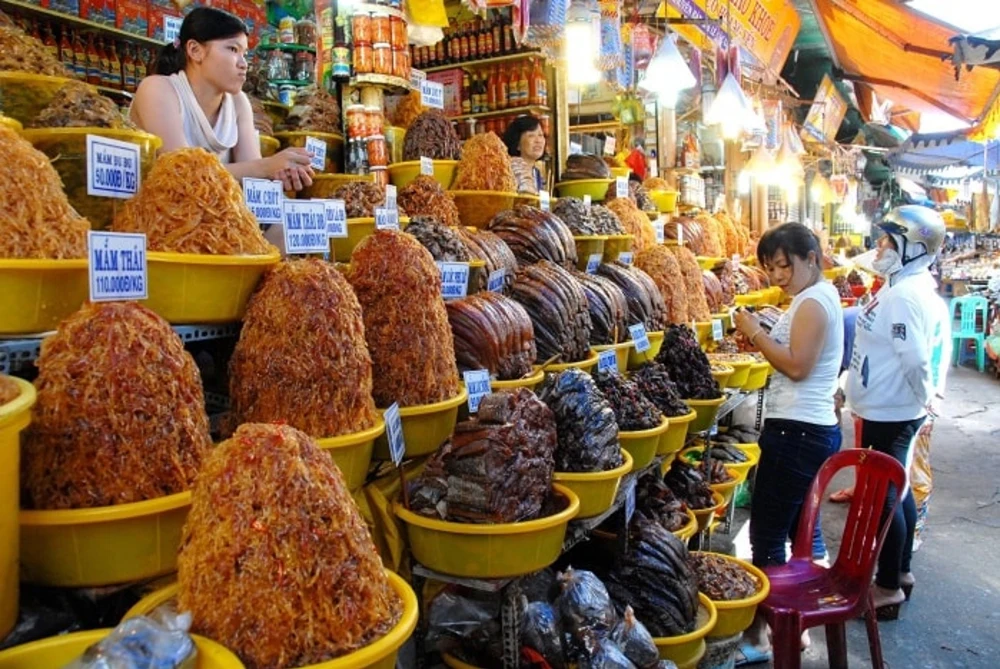
    Top 15 most beautiful tourist destinations in Central Vietnam

    During major celebrations such as Tet (Vietnamese Lunar New Year), the Mid-Autumn Festival, and the monthly Lantern Festival, Hoi An takes on an especially magical atmosphere, with thousands of colorful lanterns illuminating the streets and waterways.

    🔜 Discovery: Top 25 Best Places to Visit in Hoi An, Vietnam

    (xem thêm…)

  • Top 20 Most Beautiful Tourist Destinations in Northern Vietnam

    Top 20 Most Beautiful Tourist Destinations in Northern Vietnam

    🇻🇳 20 Best Places to Visit in Northern Vietnam 🇻🇳

    Vietnam is home to an incredible variety of travel destinations, and Northern Vietnam is particularly rich in history, culture, and natural beauty. From ancient streets and misty mountain towns to spectacular bays and pristine islands, the region offers countless places that are well worth visiting at least once in your lifetime.

    Northern Vietnam is the cultural heartland of the country, with thousands of years of history shaping its traditions, architecture, cuisine, and way of life. At the same time, nature has been exceptionally generous to this region, creating breathtaking landscapes that attract millions of domestic and international travelers every year.

    Today, let’s explore 20 amazing places to visit in Northern Vietnam!

    1.Hanoi – 36 streets and wards with a thousand years of culture and history

    Rating: 4.5/5 (Google rating)
    Location: Hanoi, Vietnam
    Pros: Plenty of attractions and historic architecture.
    Cons: Sanitation can be an issue in some areas.

    1. hanoi- 36 street

    Right in the heart of Vietnam’s bustling capital, Hanoi’s Old Quarter has managed to preserve much of its traditional character, ancient architecture, and timeless atmosphere.

    🔜 Discovery: Discover Hoan Kiem Lake: The Timeless Symbol of Hanoi, a City with a Thousand Years of History

    (xem thêm…)

  • Top 7 Most Luxurious 5-Star Hotels in Nha Trang, Vietnam

    Top 7 Most Luxurious 5-Star Hotels in Nha Trang, Vietnam

    **Nha Trang**, a beautiful coastal city in **Khanh Hoa Province**, attracts visitors not only with its stunning beaches but also with its world-class collection of 5-star hotels in Nha Trang. These luxury hotels offer an exceptional holiday experience, combining premium service with modern amenities and outstanding comfort.

    Travel to Nha Trang has become a popular choice for travelers seeking an unforgettable seaside escape, supported by a selection of internationally renowned hotels. This beautiful coastal destination is home to some of Vietnam’s most luxurious and contemporary accommodation, offering memorable stays for every kind of traveler. Let’s explore the standout properties among the **best 5-star hotels in Nha Trang** that deserve a place on your travel list!

    # Top 7 Luxury 5-Star Hotels in Nha Trang, Vietnam

    One of Vietnam’s most captivating coastal destinations, Nha Trang welcomes millions of visitors every year with its beautiful beaches and internationally acclaimed hotels. Here are seven notable luxury properties to consider when planning your stay in this seaside city.

    1- InterContinental Nha Trang: International 5-Star Luxury

    **InterContinental Nha Trang** enjoys a prime location on Tran Phu Boulevard, right in the heart of the city. It is a standout choice among the **5-star hotels in Nha Trang** for travelers seeking upscale accommodation and beautiful coastal views. The hotel features 279 premium guest rooms, each offering sea-facing views across Nha Trang Bay.

    **World-class facilities and services include:**

    – Professional 24-hour security
    – Attentive room service around the clock
    – A relaxing spa offering a variety of treatments
    – A spacious outdoor swimming pool with stunning sea views

    InterContinental Nha Trang: International 5-Star Luxury

    2- Amiana Resort Nha Trang: A Luxurious Coastal Retreat

    Located approximately 8 km from central Nha Trang and 50 km from **Cam Ranh International Airport**, **Amiana Resort Nha Trang** stands out for its luxurious atmosphere and thoughtfully designed facilities. Its 158 rooms feature a range of modern comforts, including air conditioning, flat-screen TVs, minibars, and private bathrooms. Every detail reflects an emphasis on comfort and refined hospitality.

    Highlights include:

    – A beautiful private beach
    – An upscale spa and wellness area

    Amiana Resort Nha Trang: A Luxurious Coastal Retreat

    3- Cham Oasis Resort Nha Trang: Where Cham Heritage Meets Modern Comfort

    **Cham Oasis Nha Trang** is more than just a luxury hotel; it celebrates the meeting of traditional Cham cultural influences and contemporary style. Located in the city center, the resort offers an upscale stay in a relaxing setting surrounded by natural beauty.

    From its carefully chosen color palette to its distinctive architectural details, the design draws inspiration from the rich heritage of the ancient Champa civilization. The result is a harmonious blend of local culture, architecture, and nature.
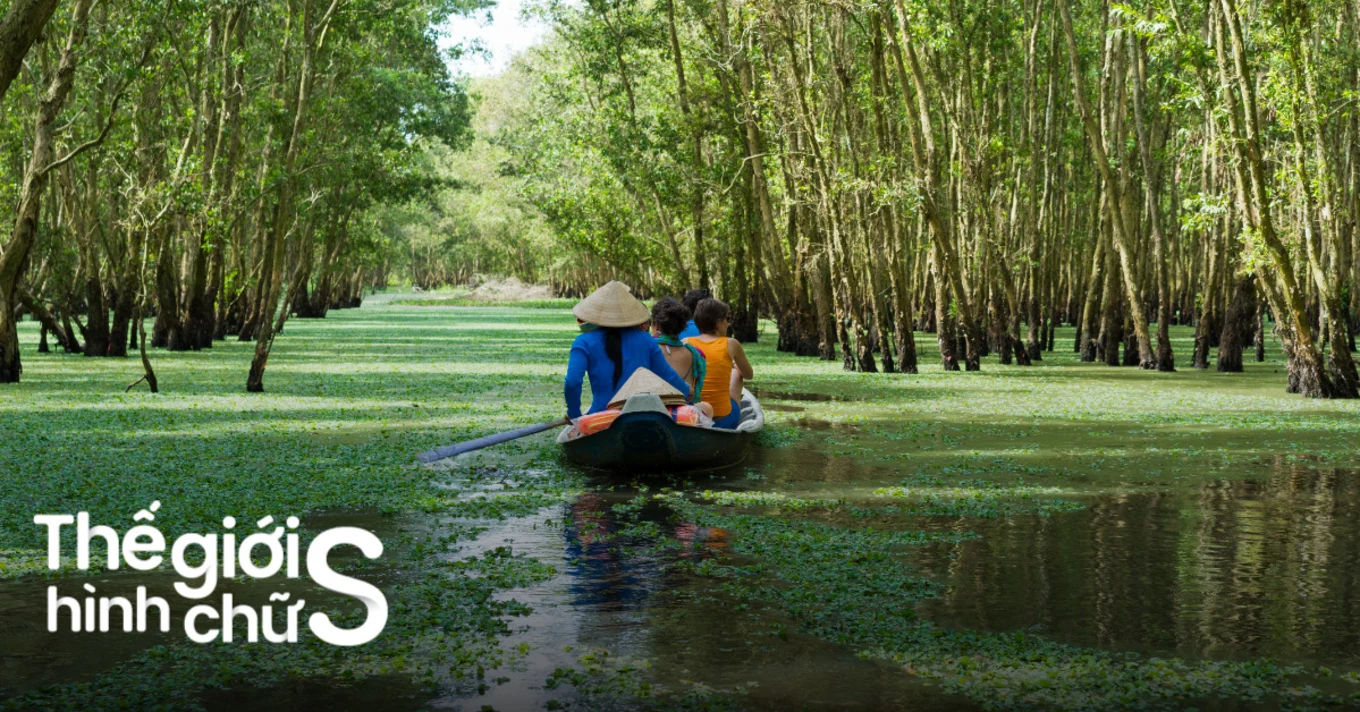
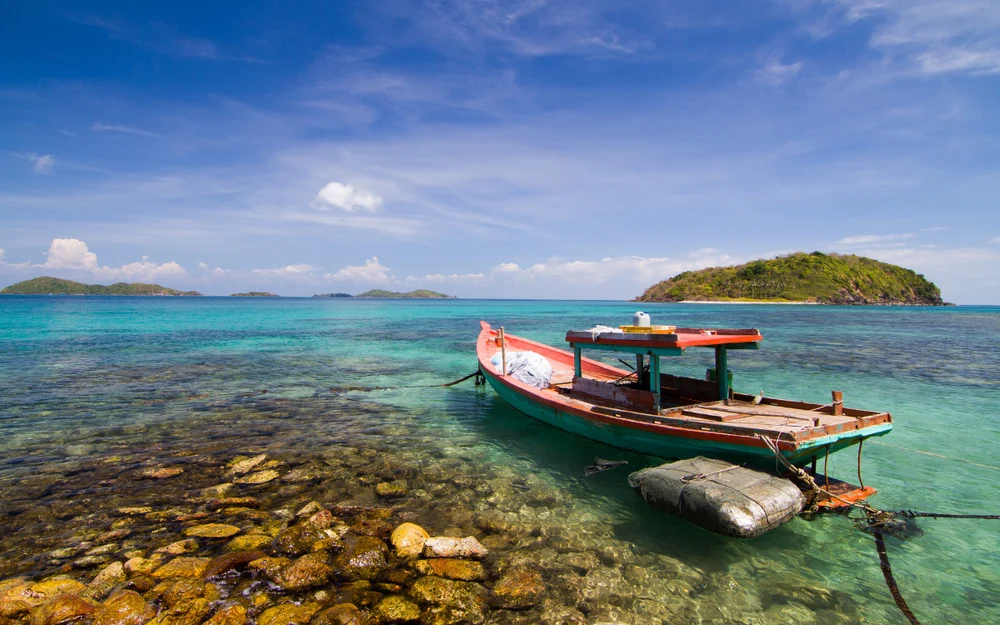
    Cham Oasis Resort Nha Trang: Where Cham Heritage Meets Modern Comfort

    4- Citadines Bayfront Nha Trang: Contemporary Comfort by the Sea

    **Citadines Bayfront Nha Trang** impresses guests with thoughtfully designed accommodation, upscale comforts, and beautiful sea views. Its prime location makes it easy to explore many of the city’s popular attractions while providing a welcoming place to unwind after a day of sightseeing.

    Facilities and services include:

    – A modern gym equipped with advanced fitness equipment
    – A restaurant offering international cuisine
    – Attentive customer service available around the clock

    Citadines Bayfront Nha Trang: Contemporary Comfort by the Sea

    5- Horizon Nha Trang: A Striking High-Rise Hotel

    **Horizon Nha Trang** stands out on the city skyline with its impressive 36-story tower. With more than 370 elegant guest rooms, the property offers an upscale accommodation experience for visitors seeking comfort and panoramic coastal scenery.

    Its contemporary European-inspired architecture and expansive glass facade create the striking impression of a giant sail rising above the city. Its proximity to the sea allows guests to admire sweeping ocean views and enjoy the natural beauty of Nha Trang’s coastline.

    Horizon Nha Trang: A Striking High-Rise Hotel

    6-  Queen Ann Nha Trang: An Elegant Seaside Escape

    Guests staying at **Queen Ann Nha Trang** can look forward to a relaxing coastal getaway, with panoramic views across the magnificent Nha Trang Bay. The hotel provides an inviting setting where the beauty of the sea meets the comfort of modern hospitality.

    Thanks to its central location, **Queen Ann Nha Trang** is an appealing option for travelers looking for a memorable luxury stay close to the city’s attractions.

    The hotel has also established itself as a distinctive architectural presence in Nha Trang. More than simply a place to stay, it offers accommodation designed to showcase the beauty of the bay, with rooms providing direct sea views.

    By combining contemporary design with attentive service, Queen Ann Nha Trang creates an elegant and comfortable environment for a relaxing seaside holiday.

    Queen Ann Nha Trang: An Elegant Seaside Escape

    7- Havana Nha Trang: Modern Luxury and Entertainment

    [**Havana Nha Trang Hotel**] stands out for its modern design and sophisticated atmosphere, making it a notable option for travelers exploring this vibrant coastal city.

    More than a comfortable place to stay, Havana Nha Trang offers an energetic atmosphere for guests who enjoy lively entertainment and distinctive experiences. Its range of leisure and entertainment facilities caters to visitors looking to relax, socialize, and make the most of their time in the city.

    Havana Nha Trang: Modern Luxury and Entertainment

     Why Choose a 5-Star Hotel in Nha Trang?

    **5-star hotels in Nha Trang** offer a high standard of hospitality, with services ranging from 24-hour reception to premium spa treatments and other upscale amenities.

    Many of these hotels enjoy prime locations just steps from the beach, allowing guests to enjoy the fresh sea air and coastal atmosphere throughout their stay.

    Before choosing one of the **best 5-star hotels in Nha Trang**, consider the following booking tips to make the most of your travel budget in this beautiful coastal destination in Khanh Hoa Province.

    Tips for Choosing the Best 5-Star Hotel in Nha Trang

    Before booking a **5-star hotel in Nha Trang**, think about the purpose of your trip and the facilities that matter most to you. Comparing hotels carefully will help you find the right balance of location, comfort, amenities, and budget.

     Book Your Stay in Advance

    Booking your **5-star hotel in Nha Trang** early can give you a significant advantage. Consider reserving your room around three weeks to two months before arrival. This gives you more options when choosing room types and may help you secure more attractive rates.

     Research Carefully Before Booking

    Every **5-star hotel in Nha Trang** has its own strengths. Before making a reservation, take time to research the following:

    – Available services and facilities
    – Room quality and shared spaces
    – Entertainment, leisure, and wellness activities
    – Customer service policies
    – Reviews and feedback from other travelers

    Give preference to hotels that receive consistently positive feedback from reliable sources, including:

    – Reputable travel review platforms
    – Friends and family who have stayed there
    – Online travel communities and discussion forums

    Take Advantage of Special Offers

    **5-star hotels in Nha Trang** often offer promotions that can help you get more value from your stay, such as:

    – Special deals on official hotel websites
    – Discounted accommodation vouchers
    – Package deals that combine meals and spa treatments
    – Exclusive benefits for returning or loyal guests

     Choose a Location That Suits Your Travel Plans

    Choosing a well-located **5-star hotel in Nha Trang** can help you:

    – Enjoy beautiful sea views from your room
    – Reach popular attractions more conveniently
    – Sample restaurants and dining options at the hotel with ease
    – Save time and transportation costs

    Hotels along Tran Phu Boulevard, often regarded as one of the city’s prime coastal streets, are especially popular thanks to their desirable locations and easy access to entertainment, shopping, and dining.

    Nha Trang offers a diverse selection of high-quality **5-star hotels**, from [**Queen Ann Nha Trang**], with its impressive sea views, to **Havana Nha Trang**, known for its contemporary style and extensive leisure facilities. Each property has its own character, helping visitors create a memorable and rewarding holiday in this beautiful seaside city.

    The hotels featured above each have distinctive strengths, whether in location, architectural design, or international-standard hospitality. Whichever you choose, a luxury stay can make it easier to appreciate the beauty and charm of Nha Trang.

    Choosing the right **5-star hotel in Nha Trang** can take your holiday to another level. By following these practical booking tips, you can make better use of your budget while enjoying a comfortable and memorable escape to one of Vietnam’s most appealing coastal destinations.

     Make the Most of Your Nha Trang Trip with a One-Day City Tour

    Alongside enjoying Nha Trang’s luxury hotels, exploring the city itself is an essential part of the experience. Vietnamtravelreview has put together a suggested sightseeing and dining itinerary to help you discover the highlights of this beautiful coastal destination.

    Nha Trang One-Day City Tour Itinerary

    **Morning: Culture, Heritage, and Local Cuisine**

    – Visit [**Long Son Pagoda**] Vietnamtravelreview, one of Nha Trang’s best-known Buddhist landmarks.
    – Explore [**Nha Trang Stone Church**], a distinctive religious landmark with striking architecture.
    – Discover [**Po Nagar Cham Towers**], an important historical complex reflecting the heritage of the Champa civilization.
    – Sample the local specialty, Nha Trang grilled pork rolls (nem nuong)

    **Afternoon and Evening: Hot Springs and Riverside Seafood**

    – Visit [**I-Resort Nha Trang Hot Springs**] to enjoy a relaxing hot mineral bath.
    – Enjoy fresh seafood at [**Bo Ke Nha Trang seafood restaurants**] in the Thap Ba area, where you can savor local flavors while taking in views of the Cai River after dark.

    Whether you are seeking world-class accommodation, beautiful coastal scenery, cultural discoveries, or delicious local food, Nha Trang offers a wonderful combination of experiences. With the right hotel and a little planning, you can enjoy an unforgettable holiday in one of Vietnam’s most captivating seaside destinations.

  • Discover Hoan Kiem Lake: The Timeless Symbol of Hanoi, a City with a Thousand Years of History

    Discover Hoan Kiem Lake: The Timeless Symbol of Hanoi, a City with a Thousand Years of History

    **Hoan Kiem Lake**, also known as Sword Lake, is far more than a famous landmark. It is an enduring symbol of Hanoi’s rich history and cultural heritage. Nestled in the heart of the city, the lake captivates visitors with its poetic beauty, peaceful atmosphere, and profound cultural significance. It offers a unique opportunity to experience the rhythm of Hanoi, where modern life and age-old traditions blend seamlessly.

    Hoan kiem lake

    Hoan Kiem Lake is an enduring symbol of Hanoi’s history and cultural heritage.

    An Overview of Hoan Kiem Lake

    Covering approximately 12 hectares, Hoan Kiem Lake is surrounded by historic streets such as Hang Dao, Luong Van Can, and Hang Ngang. Together, they create a charming contrast between Hanoi’s old-world character and the lively energy of urban life. Often described as the heart of Hanoi, the lake is a favorite gathering place for locals and visitors alike, offering a relaxing setting for leisurely walks, quiet moments, and fresh air.

    The Changing Beauty of Hoan Kiem Lake Through the Four Seasons

    With each passing season, **Hoan Kiem Lake** takes on a new and captivating appearance. In spring, the city welcomes warmer days and the delicate beauty of peach blossoms, creating a pleasant atmosphere for traditional festivals and outdoor strolls. During summer, the lake provides a refreshing green oasis amid the heat, while visitors can enjoy activities such as cycling and boating. When autumn arrives, cool breezes and clear blue skies make walking around the lake especially enchanting. In winter, Hoan Kiem Lake takes on a quieter, more romantic atmosphere, inviting visitors to admire the scenery and enjoy a moment of peaceful reflection.

    The Legend Behind Hoan Kiem Lake

    Hoan Kiem Lake is not only a popular tourist attraction but also the setting of one of Vietnam’s most cherished legends: King Le Loi’s return of the magic sword to the Golden Turtle. According to legend, in the 15th century, during his uprising against the Ming dynasty, Le Loi came into possession of a shining magical sword while spending time near the lake. The sword helped him achieve victory in the struggle against foreign rule. After becoming king, **King Le Thai To** returned the precious sword to the **Golden Turtle**, an act that has come to symbolize patriotism and reverence for Vietnam’s history.

    The Cultural Significance of Hoan Kiem Lake

    The legend of the returned sword is more than a traditional tale. It reflects the unity, resilience, and determination of the **Vietnamese people** in their resistance against foreign invaders. Over generations, Hoan Kiem Lake has become deeply rooted in the Vietnamese national imagination, standing as an enduring symbol of strength, unity, and unwavering patriotism.

    Architectural Highlights Around Hoan Kiem Lake

    Turtle Tower

    Standing on a small island in the middle of the lake, **Turtle Tower (Thap Rua)** is one of Hanoi’s most distinctive architectural landmarks. Built between 1884 and 1886, the tower features three rectangular levels that gradually narrow toward the top. Its design combines French architectural influences with traditional Vietnamese elements. Beyond enhancing the lake’s picturesque scenery, Turtle Tower has become an iconic image of Hanoi, frequently celebrated in Vietnamese poetry and art.

    Turtle Tower is one of Hanoi’s most distinctive architectural landmarks.

    Ngoc Son Temple

    **Ngoc Son Temple** is one of the most prominent historic structures on the shores of Hoan Kiem Lake. Dating back to the 19th century, the temple is admired for its distinctive architecture and intricate decorative details. Its entrance gate features elaborate dragon and phoenix motifs, while its gently curved roofs create an elegant silhouette. Inside, the temple houses religious statues and sacred figures, reflecting the spiritual traditions and devotion of the Vietnamese people.

    Ngoc Son Temple
    Ngoc Son Temple

    Ngoc Son Temple is one of the most prominent historic landmarks beside Hoan Kiem Lake.

    The Huc Bridge

    **The Huc Bridge**, a striking red wooden bridge, connects the lakeshore to Ngoc Son Temple. Built in 1865, its graceful curved design makes it one of Hanoi’s most recognizable landmarks. More than simply a passageway to the temple, the bridge reflects the enduring charm of traditional Vietnamese architecture and provides a beautiful focal point in the scenery around Hoan Kiem Lake.

    The Huc Bridge

    The Huc Bridge is a striking red wooden bridge connecting the lakeshore to Ngoc Son Temple.

    Hanoi Opera House

    Located on August Revolution Square, the **Hanoi Opera House** is one of the city’s finest examples of French colonial architecture. Construction began in 1901, and the building is renowned for its impressive facade, elegant interiors, and sophisticated design. It hosts a wide variety of performing arts, including musical and theatrical productions, and serves as an important venue for major cultural events that attract both local residents and international visitors.

    Hanoi Opera House

    Hanoi Opera House, located on August Revolution Square.

    Discover the Food Scene Around Hoan Kiem Lake

    From the legendary **Trang Tien Ice Cream** to beloved Vietnamese specialties such as bun cha, the area around Hoan Kiem Lake offers a memorable culinary adventure. To Tich Street is another must-visit destination, famous for its stalls selling fresh fruit mixes and yogurt-based treats. Each dish offers its own distinctive flavors and provides a delicious introduction to Hanoi’s diverse food culture.

    Must-Try Food Spots and Local Specialties

    Trang Tien Ice Cream:** A long-established local favorite, Trang Tien is famous for its traditional ice cream flavors and has become an enduring part of Hanoi’s food culture.

    Hoan Kiem Lake also attracts visitors with its vibrant local food scene.

    – **To Tich Street:** Known for its many stalls selling fresh fruit mixes and yogurt, this lively street is especially popular during the hot summer months.
    – **Bun Cha:** One of Hanoi’s signature dishes, bun cha features smoky grilled pork served with fresh rice noodles, crisp herbs, and a flavorful dipping sauce. It is a must-try for anyone exploring the city’s culinary heritage.

    How to Get to Hoan Kiem Lake

    Getting to Hoan Kiem Lake is easy, with several transportation options available, including walking, taking a motorbike taxi, renting a bicycle, or using the bus. Each offers a different way to experience the lake and explore the surrounding attractions.

    – **Walking:** Ideal for visitors staying near Hanoi’s Old Quarter, allowing you to discover the lake and nearby sights at a leisurely pace.
    – **Motorbike taxi:** A quick and convenient option, especially if you prefer to avoid long walks. Ride-hailing services can also be useful for getting around the city.
    – **Bicycle rental:** A fun way to explore the surrounding streets and enjoy the scenery at your own pace.
    – **Bus:** An affordable and practical choice for visitors traveling from areas farther away from the Old Quarter.

    Essential Travel Tips for Visiting Hoan Kiem Lake

    To make the most of your visit to Hoan Kiem Lake, take time to walk along its scenic waterfront and soak up the peaceful atmosphere. Planning your sightseeing route in advance and choosing accommodation near the lake can also help you enjoy a more convenient and rewarding stay in Hanoi.

    A leisurely walk is one of the best ways to appreciate the beauty and fresh air of Hoan Kiem Lake.

    – **Best time to visit:** Early morning or late afternoon, when temperatures are generally cooler and the atmosphere is refreshing.
    – **Bring drinking water:** Stay hydrated, especially when visiting during Hanoi’s hot summer months.
    – **Capture the moment:** Bring your camera or smartphone to photograph the beautiful lakeside scenery and iconic architectural landmarks.

    **Hoan Kiem Lake** is much more than a sightseeing destination. It is an ideal place for travelers interested in Vietnamese history and culture, as well as anyone seeking a peaceful escape amid the energy of the capital. Whether you are admiring its legendary landmarks, sampling local delicacies, or simply strolling along the water, a visit to Hoan Kiem Lake offers a memorable glimpse into the timeless charm of Hanoi.

  • Vietnam Travel Review: A First-Timer’s Guide to Hanoi, Hoi An, and Ha Long Bay

    Start with the essentials

    Vietnam rewards curious travelers with lively streets, unforgettable food, and landscapes that change dramatically from north to south. Whether you have one week or three, a thoughtful route helps you spend less time in transit and more time enjoying the places that make the country memorable.

    Three stops worth planning

    • Hanoi: Begin in the Old Quarter for street food, coffee culture, and a fast-paced introduction to northern Vietnam. Leave room for a slow walk around Hoan Kiem Lake.
    • Ha Long Bay: An overnight cruise is the best way to experience the limestone islands and quiet early mornings on the water. Book ahead in peak season and compare itineraries carefully.
    • Hoi An: This lantern-lit town is ideal for an unhurried reset. Explore the historic center, try local specialties, and rent a bicycle for the ride toward An Bang Beach.

    Practical tips for a smoother trip

    Vietnam is easy to enjoy when you plan for the climate: the north, central coast, and south can have very different weather on the same day. Carry small cash for markets and local eateries, use reputable ride-hailing apps in cities, and build in free time for the unexpected café, food stall, or viewpoint that catches your eye.

    The best Vietnam itineraries balance famous highlights with time to wander.

    Make your itinerary personal

    Love food? Add a cooking class in Hoi An and a guided tasting walk in Hanoi. Prefer nature? Extend your trip with Ninh Binh, Sapa, or Phong Nha. At VietNam Travel review, we share honest destination insights and practical planning advice so you can choose the experiences that fit your travel style.